

The Moon's Harsh Reality
Establishing a permanent human presence on the Moon isn't as simple as just landing and setting up camp. The lunar surface is one of the most hostile environments in the solar system. With no significant atmosphere or global magnetic field, it is constantly
bombarded by dangerous levels of solar and cosmic radiation. Astronauts on the surface would be exposed to radiation doses far exceeding safe limits for long-duration missions. Adding to the peril are the extreme temperature swings. During the two-week-long lunar day, surface temperatures can soar above boiling point, only to plummet to hundreds of degrees below freezing during the equally long night. Any sustainable habitat must overcome these life-threatening challenges.
Sanctuaries Beneath the Surface
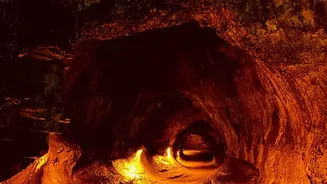
The most promising solution to the Moon's radiation and temperature problem may have been there all along, carved by ancient volcanism. Billions of years ago, rivers of lava flowed across the Moon, their surfaces cooling and hardening while molten rock continued to flow beneath. When these flows drained, they left behind immense, hollow tunnels known as lava tubes. Scientists believe some of these tubes are vast, potentially hundreds of meters wide and stretching for kilometers, large enough to house entire cities. The thick basalt ceilings of these caves, estimated to be 40 meters or more, would act as a powerful natural shield, dramatically reducing radiation exposure for inhabitants and providing insulation from the extreme surface temperatures. Inside a lava tube, the temperature is thought to be a stable and constant -20°C.
Pioneering the Unseen
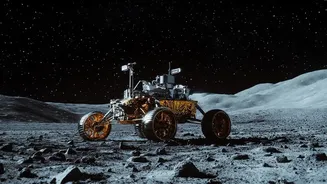
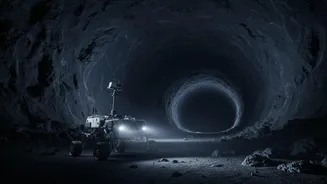
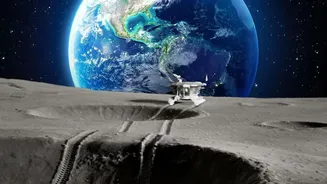
Before we can build bases in these subterranean havens, we have to find and explore them. Orbiters have identified over 200 pits on the lunar surface that are likely collapsed 'skylights'—openings into these deeper lava tubes. But peering into a dark hole from orbit only tells you so much. To truly understand what lies within, we need to go inside. This presents a monumental engineering challenge. The terrain is completely unknown, potentially filled with sharp rocks, steep slopes, and impassable rubble. There is no light, no GPS for navigation, and no easy way to communicate with a surface lander. Sending humans on such a risky initial expedition is out of the question. This is a job for robots.
The Robotic Trailblazers
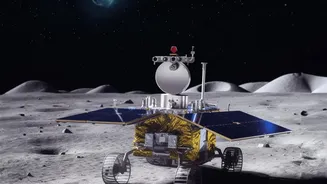
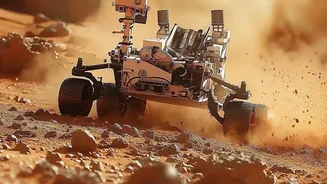
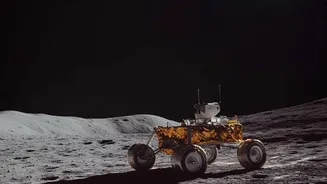
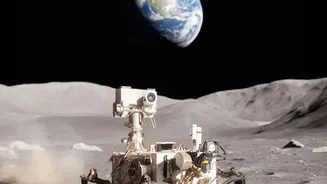
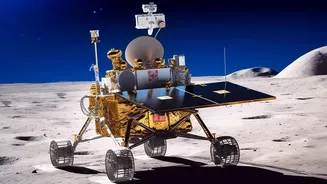
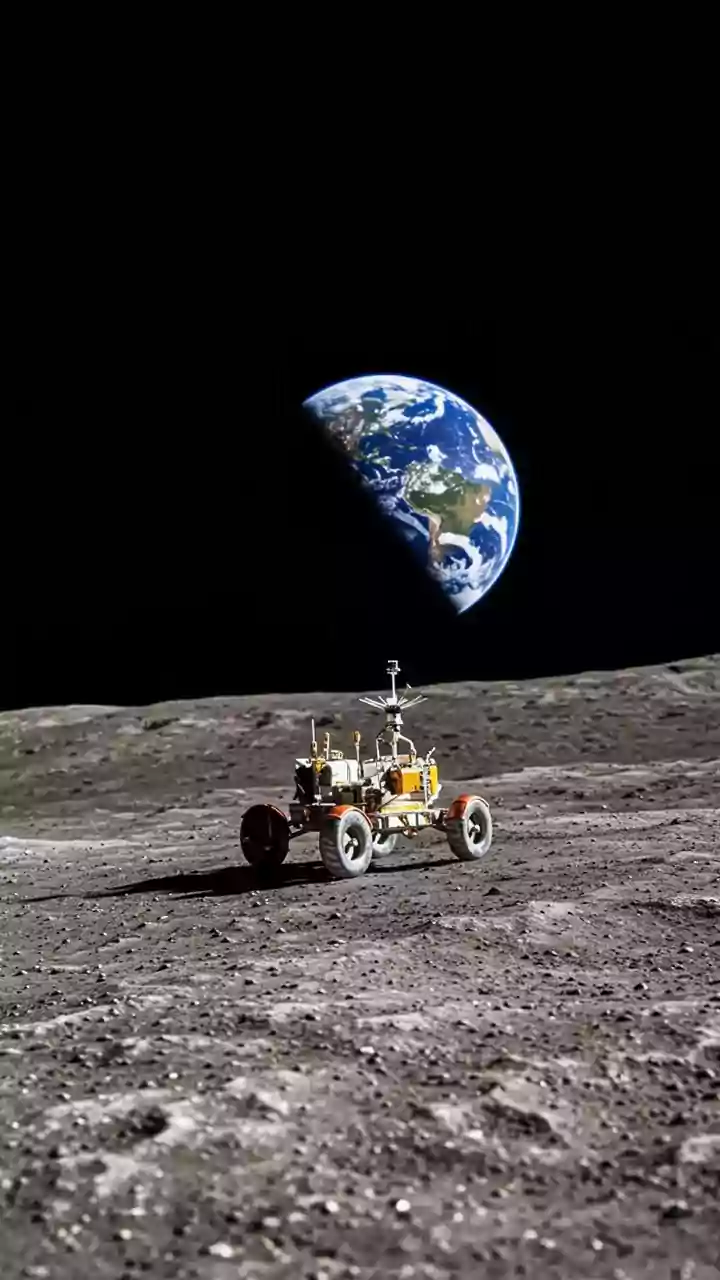
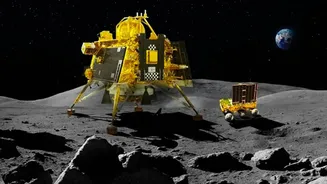
Several space agencies and private companies are developing robotic systems specifically for this purpose. The European Space Agency, for example, is backing concepts that involve a team of robots working together. One approach involves a surface rover that lowers a tethered probe, like the Daedalus sphere, into a pit to create a 3D model of the entrance. Other concepts envision a swarm of smaller, wirelessly charged rovers that can spread out to map a cave's interior. Chinese researchers are testing quadruped robots, or 'robot dogs', in Earth-based lava tube analogs, believing their four-legged agility is better suited to navigating unpredictable, rubble-strewn floors than wheels. These missions are shifting the paradigm of space robotics from simple observation to complex, autonomous physical work.
Navigating in Total Darkness
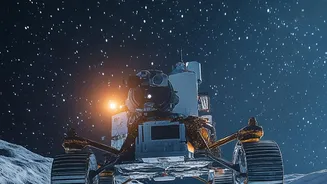
The biggest technical hurdle for these rovers is autonomous navigation in a dark, unmapped environment. Without GPS, rovers must build a map of their surroundings as they explore. This is achieved using a technology called SLAM (Simultaneous Localization and Mapping). Rovers use sensors like LiDAR, which works like radar but with laser light, to scan their environment and create a 3D point cloud of the cave's structure. By continuously scanning and comparing new data to the existing map, sophisticated algorithms allow the rover to determine its position and plan a safe path forward, all without human intervention. This advanced autonomous capability is critical, as the communication delay and lack of direct line-of-sight would make real-time remote control impossible.
From Exploration to Habitation
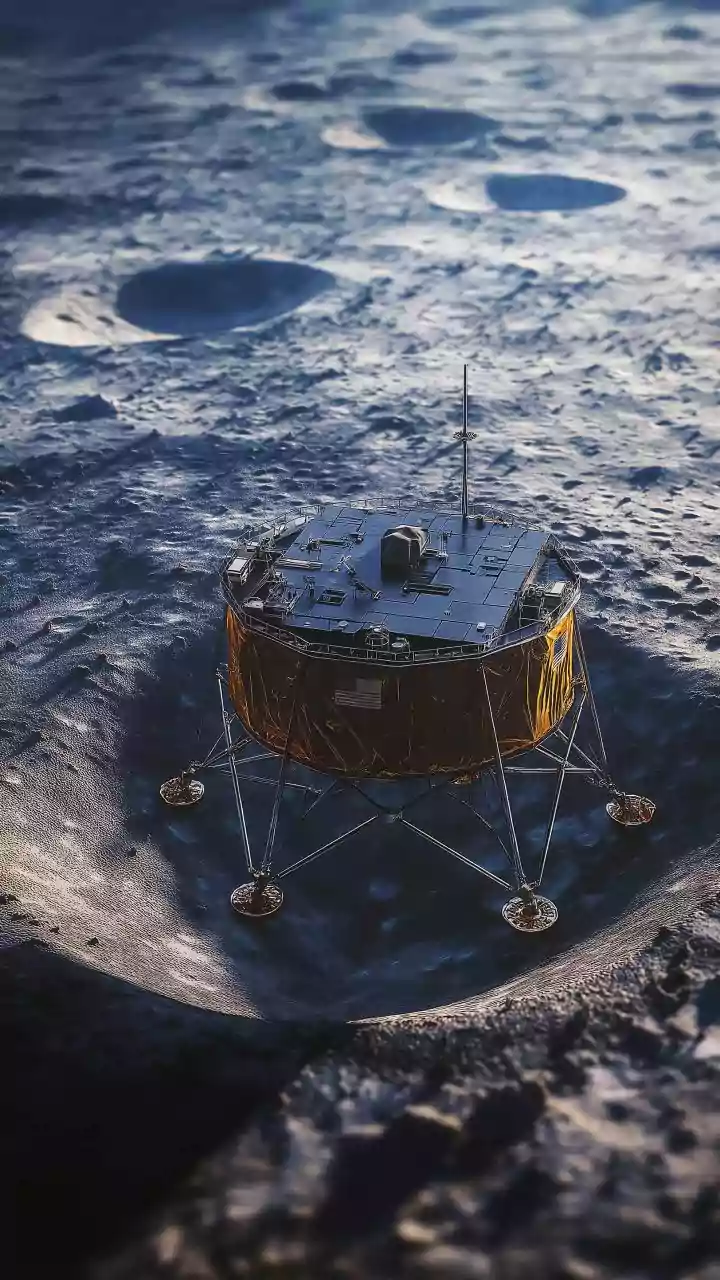
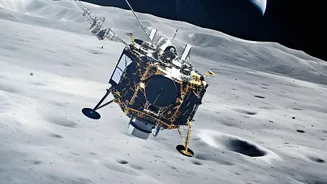
The data sent back by these robotic pioneers will be invaluable. The 3D maps they create will reveal which lava tubes are structurally sound and large enough for habitation. Their sensors will confirm the level of radiation shielding and the stability of the internal environment. This robotic reconnaissance is a crucial part of NASA's broader plan to build a sustainable lunar presence through its Artemis program and Commercial Lunar Payload Services (CLPS) initiative, which involves more than 20 robotic landings planned through 2029. These early scouting missions are paving the way, ensuring that when humans return to the Moon to stay, they will have safe, pre-vetted locations ready for development. The first robotic footsteps into these dark caves represent a giant leap toward humanity's future in space.