

Two Worlds, One Carriage
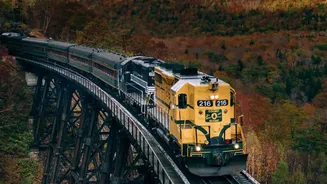
Onboard India's famous 'toy trains', a subtle social drama unfolds with every chug of the engine. These railways, like the UNESCO World Heritage routes of Darjeeling, Kalka-Shimla, and the Nilgiris, are not just for sightseers. They are a vital lifeline
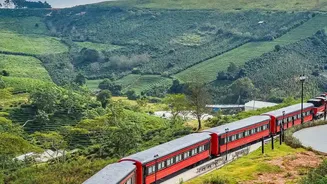
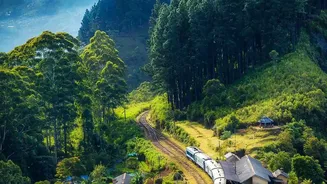
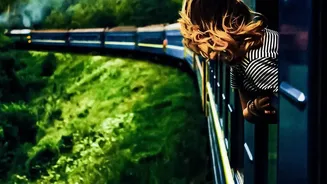
for the communities that dot the hillsides, serving as a daily mode of transport for schoolchildren, office-goers, and merchants. The carriage becomes a fascinating microcosm of modern India. One side of the aisle is filled with the wide-eyed wonder of tourists, faces pressed against the glass, marvelling at every breathtaking valley and terraced tea garden. For them, the slow, meandering pace is part of the charm, a nostalgic escape. On the other side, the journey is routine. Commuters read newspapers, chat with neighbours about local affairs, or catch a quick nap, the world-famous scenery an ordinary, almost unnoticed, backdrop to their daily lives.
A Journey of Contrasts
The contrast in experience is palpable. A visitor might spend the entire five-hour journey from Mettupalayam to Ooty on the Nilgiri Mountain Railway capturing hundreds of photos of its 250 bridges and 16 tunnels. For a local trader heading to the market in Coonoor, the same journey is a matter of practical economics and timing. The tourist delights in the train's slow ascent, which at times is no faster than walking speed, offering a chance to soak in the views. The commuter, while perhaps appreciating the reliable service, might wish for a slightly quicker trip. Even the sounds are different. The excited chatter and camera clicks of travellers mingle with the familiar cadence of local dialects. It’s a space where selfie sticks and tiffin boxes share the same overhead rack.
An Unspoken Symbiosis
Despite the different perspectives, a quiet, functional harmony exists. This shared infrastructure creates a unique symbiosis. The revenue from tourism is crucial for the maintenance and continued operation of these century-old heritage lines. Without the steady stream of visitors willing to pay for the scenic experience, these trains might not be economically viable as purely local transport. In turn, the presence of daily commuters adds a layer of authenticity to the journey that a sterile, tourist-only service could never replicate. Visitors get a fleeting but genuine glimpse into the rhythm of hill life, watching as the train stops at small, charming stations to let schoolchildren on or off. The Kalka-Shimla Railway, for example, operates several types of services, including the Himalayan Queen, which is frequently used by locals for their daily travels.
More Than Just a Ride
Interactions, though often brief, bridge the gap between the two groups. A shared smile with a child, a question about a particular stop, or the aroma of a home-packed lunch can spark a brief connection. These are not just parallel journeys happening in the same space; they are interwoven threads of a single narrative. The train itself is a shared public square, a moving marketplace of stories and experiences. It is a reminder that in India, the grand and the everyday are often found side-by-side. The same track that provides a breathtaking holiday adventure for one person is the fundamental link to work, school, and family for another. This dual role is what keeps these heritage railways from becoming mere museum pieces; it ensures they remain living, breathing parts of the landscape and its communities.