





The Rush for a Quick Glimpse
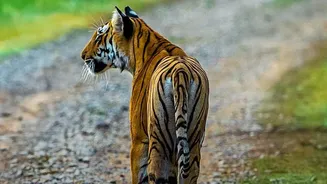
The allure of seeing a Royal Bengal Tiger in its natural habitat is undeniable, drawing hundreds of thousands of visitors to Ranthambore each year. For many, a safari is the highlight of their Rajasthan trip. However, with packed travel itineraries, a segment
of tourists is increasingly seeking shorter, more flexible safari options. The idea of a two-hour trip, as opposed to the standard three-and-a-half-hour duration, is appealing for those on a tight schedule or looking for a more budget-friendly glimpse into the wild. This demand, often fuelled by unofficial tour operators promising flexible timings, puts pressure on a system designed for uniformity and minimal disruption.
Why Safaris Last 3.5 Hours
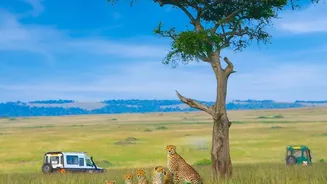
The safari timings at Ranthambore are not arbitrary. The Forest Department has structured two daily slots: a morning trip and an afternoon trip, each lasting about three to three-and-a-half hours. The timings are carefully calibrated with sunrise and sunset to maximize daylight for safety and sightings while giving the animals a significant part of the day free from vehicle movement. This duration allows safari vehicles to travel deep into their assigned zones, track animal movements based on morning calls or pugmarks, and spend adequate time at waterholes or sighting spots without rushing. This regulated approach is crucial for managing the park's carrying capacity and ensuring that all zones are patrolled, which aids in anti-poaching efforts.
The Official Booking Portal's Role
All official safari bookings are managed through the Rajasthan government's online portal, a system designed to bring transparency and curb the black market for tickets. In the past, agents were known to make bulk bookings with dummy names, later selling them at inflated prices. Recent upgrades to the booking system aim to prevent this by limiting the number of bookings per ID and introducing a waitlist system. However, the demand for non-standard, shorter safaris creates a loophole that unofficial agents can exploit. They may mislead tourists by taking bookings for 'two-hour' trips, which do not officially exist, leading to confusion and potential fraud. Officials are concerned that this undermines the centralised, equitable system they have worked to build—a system that recently handled a massive surge of 40,000 registrations within two hours of opening for the new season.
A Serious Conservation Concern
From a conservation standpoint, shorter, more frequent trips are a significant worry. The established safari schedule creates predictable periods of disturbance, allowing wildlife to adapt. An ad-hoc system of two-hour safaris would imply more vehicle entries and exits throughout the day, leading to increased noise, pollution, and stress on the animals. Ranthambore is already a victim of its own success, with experts noting the pressures of 'too many tourists' can impact the natural behaviour of its tigers. The park's management has even introduced special, higher-cost 'Half Day' and 'Full Day' safaris for a limited number of vehicles, offering a zone-free, extended experience for serious wildlife enthusiasts—a stark contrast to the 'quick-look' demand. Maintaining the integrity of the existing schedule is seen as vital for the long-term ecological balance of the reserve.
The Official Verdict
The Forest Department remains firm: there are no official two-hour safaris. Any promises of such trips are not sanctioned and should be viewed with suspicion. Officials continually advise tourists to use only the official government portal for all bookings to avoid being misled. The system has been fortified against fraudulent activities, successfully blocking millions of fake requests and numerous cyber-attack attempts during its recent peak booking period. The department's focus is on streamlining the official, regulated process to make it more transparent and accessible for everyone, including international tourists who can now book directly from their home countries. The message is clear: the rules are in place not to inconvenience visitors, but to protect the very wildlife they have come to see.