







The 10-Minute Revolution
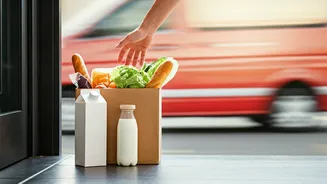
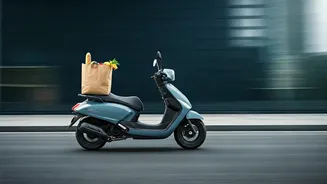
Quick commerce, or q-commerce, is a new frontier in e-retail defined by its promise of ultra-fast delivery, typically within 10 to 30 minutes. This model operates on a network of 'dark stores'—small, hyperlocal warehouses strategically located in dense
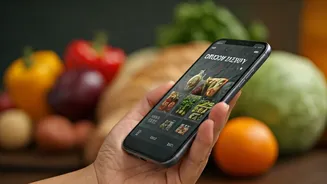
urban areas, optimized not for shoppers but for delivery riders. Unlike traditional e-commerce warehouses that are large and centralized, these micro-fulfillment centers stock a curated range of high-demand products, enabling platforms to meet their ambitious delivery timelines. The rapid adoption of smartphones, digital payments, and a young, tech-savvy population has created the perfect storm for this sector's explosive growth in India.
From Weekly Carts to Daily Taps
The most profound impact of quick commerce is on consumer habits. The traditional model of a weekly or monthly bulk grocery run is fading, replaced by frequent, small-basket purchases driven by immediate need and impulse. Studies show that the sheer convenience of instant delivery is creating new demand, with households making incremental purchases they might have otherwise skipped. This shift from planned consumption to spontaneous buying is reshaping the retail landscape. Platforms report that while groceries and staples remain the core category, consumers are increasingly comfortable ordering everything from high-value electronics and beauty products to last-minute party supplies.
The Titans of Speed
The Indian quick commerce market has quickly consolidated around three major players: Zomato's Blinkit, Swiggy's Instamart, and the fast-growing challenger, Zepto. Together, they control a dominant share of the market in major cities. Blinkit has emerged as a market leader, leveraging Zomato's extensive logistics network and capital to aggressively expand its dark store footprint. Swiggy Instamart benefits from its parent company's large and loyal food delivery customer base, while Zepto has carved out a significant niche by building its brand entirely around the promise of 10-minute delivery. Intense competition has fueled rapid innovation and expansion, but also raised questions about long-term profitability.
The Ripple Effect on Traditional Retail
The rise of instant delivery has not been without consequences for traditional retailers. Neighborhood kirana stores, the backbone of Indian retail for generations, are facing unprecedented pressure. Reports suggest a significant drop in sales for many local stores, particularly in urban areas where q-commerce penetration is high. While some customers still rely on kiranas for specific needs, the convenience and promotional pricing offered by apps are a powerful draw. This has forced a reckoning within the conventional retail sector, with many small businesses struggling to compete against the venture-funded giants of the digital economy.
What's Next for Instant Gratification?
Despite its explosive growth, the future of quick commerce is not without challenges. High operational costs, logistical complexities in congested cities, and the long road to profitability remain significant hurdles for all players. The industry is expected to evolve, with companies likely to focus on improving unit economics by expanding into higher-margin categories like beauty, electronics, and even private-label brands. Expansion into Tier-2 and Tier-3 cities is seen as the next major growth frontier, though it presents unique challenges in logistics and demand density. The market is transitioning from a phase of pure hyper-growth to a more disciplined pursuit of sustainable, profitable scale.