








An Erratic and Deficient Monsoon
The 2026 southwest monsoon season has been a story of inconsistency and shortfall, heavily influenced by a strengthening El Niño. As of mid-September, cumulative rainfall across the country is hovering around 13-15% below the long-term average, putting
India on track for its driest monsoon in years. This overall deficit hides stark regional disparities. While states like Odisha have seen excess rain, many crucial agricultural belts, particularly in the south, northwest, and northeast, are facing significant shortfalls. The India Meteorological Department (IMD) has stated the monsoon is likely to begin its withdrawal from west Rajasthan around September 19, which is close to the normal date. However, this timely withdrawal doesn't compensate for the season's poor performance, leaving a significant portion of the country with depleted soil moisture just as farmers prepare for winter sowing.
The Importance of Soil Moisture and Reservoirs
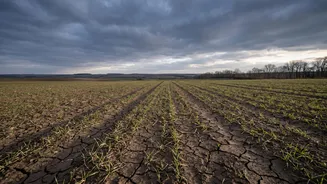
For farmers, the focus now shifts from the sky to the ground. The success of the Rabi crop, which includes staples like wheat, mustard, and gram, is critically dependent on the moisture retained in the soil after the monsoon. These crops are planted between October and December and rely on this residual moisture for germination and early growth. With the monsoon being erratic, farmers are closely watching the condition of their soil. A dry September can bake the topsoil, making sowing difficult and risky. Beyond the fields, the collective gaze is on India's reservoir levels. As of early September, water storage in the country's major reservoirs was below normal levels for this time of year, and significantly lower than the previous year. While some late rains have helped levels in central and western India recover, storage in northern and southern regions remains sharply below average. These reservoirs are vital for irrigating the Rabi crops, especially in areas that didn't receive adequate rainfall.
The Rabi Calculation: To Sow or Not to Sow?
Across the agricultural heartlands, farmers are making a complex calculation. The decision to sow is a gamble based on soil conditions, water availability, and weather forecasts. In regions with good irrigation infrastructure and healthier reservoir levels, the risk is lower. However, for the vast majority who depend on rain-fed agriculture, the stakes are incredibly high. A failed monsoon often forces a shift in crop patterns. Farmers might opt for less water-intensive crops like gram or mustard over wheat. This year, with a deficient monsoon, the uncertainty is palpable. The timing is crucial. Sowing too early into dry soil can lead to crop failure, while waiting too long for potential late rains could mean the crop doesn't have enough time to mature before the harsh summer heat sets in. This delicate balance is what defines the tense period between the monsoon's retreat and the start of Rabi sowing.
Regional Concerns and National Impact
The impact of the weak monsoon is not uniform. Southern states like Karnataka, Kerala, Andhra Pradesh, and Telangana are facing deep deficits, raising serious concerns for the Rabi season there. Similarly, states in the northwest like Punjab and Haryana, despite better irrigation, are also staring at rainfall deficits that could strain water resources. This situation has broader implications beyond farm gates. The Rabi season accounts for nearly half of India's annual food grain production. A poor winter harvest following a stressed Kharif (summer) season could put upward pressure on food prices, which have already been a concern. The performance of these crops is directly linked to farmer incomes, which in turn drives rural demand and has a ripple effect across the wider economy. Government agencies and agricultural experts are issuing advisories, but ultimately, the fate of the season rests on the decisions made in millions of fields over the next few critical weeks.