







The All-Too-Common Festive Eating Trap
It’s a familiar strategy: you have a big party or family dinner in the evening, so you decide to 'save up' calories by skipping lunch. The thinking is that by fasting during the day, you can afford to indulge more freely later. However, this approach
often backfires spectacularly. Arriving at a celebration ravenous makes it incredibly difficult to make mindful choices. Instead of savouring a few favourite dishes, you’re more likely to overeat simply because intense hunger takes over. This pattern of skipping and splurging can leave you feeling bloated, lethargic, and caught in a cycle of restriction and overindulgence that takes the joy out of the very celebrations you were looking forward to.
The Blood Sugar Rollercoaster
When you skip a meal, your blood sugar levels drop, which can lead to irritability, fatigue, and headaches—that infamous 'hangry' feeling. Your body, sensing a fuel shortage, may go into 'survival mode', increasing stress hormones and slowing your metabolism to conserve energy. Then, when you finally eat, especially if you reach for high-sugar sweets or refined-flour snacks on an empty stomach, your blood sugar spikes dramatically. Your body releases a large amount of insulin to manage this sugar rush, but this is often followed by a sharp crash, leaving you tired and craving even more sugar. This chaotic cycle not only impacts your energy and mood but, over time, can contribute to insulin resistance and weight gain.
Regular Meals: Your Anchor in the Festive Storm
This is where the simple, powerful strategy of eating regular meals comes in. Sticking to a consistent schedule—breakfast, lunch, and dinner—acts as an anchor for your metabolism and appetite. Eating balanced meals throughout the day helps keep your blood sugar stable, preventing the extreme hunger that leads to overeating. When you’re not arriving at a party desperately hungry, you are in control. You can mindfully choose the treats you truly want to enjoy in smaller portions, rather than feeling compelled to eat everything in sight. A high-protein breakfast, in particular, can help keep hunger hormones stable throughout the day. Think of your regular meals as the foundation that allows you to enjoy the festive extras in moderation.
Building a Balanced Festive Plate
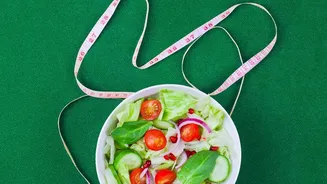
A regular meal doesn't have to be bland or restrictive. The key is balance. A proven strategy is the 'MyPlate' method. Aim to fill half of your plate with vegetables or a fresh salad. These high-fibre foods help you feel full and support good digestion. Dedicate one-quarter of your plate to a lean protein source like dal, paneer, chana, or chicken, which enhances satiety and keeps you full for longer. The final quarter can be for carbohydrates such as rice, roti, or potatoes. By structuring your main meals this way, you ensure your body gets the steady nourishment it needs, reducing the intense cravings for fried foods and sweets later.
Smart Strategies for Enjoying Treats
Maintaining regular meals doesn't mean you have to miss out on festive specialities. It simply empowers you to enjoy them more mindfully. When it's time for dessert or snacks, choose a small portion of what you truly love instead of sampling a bit of everything. If you can, have your treat after a balanced meal rather than on an empty stomach, as the protein and fibre from the meal will help slow the absorption of sugar and prevent a dramatic blood sugar spike. Another great tip is to stay hydrated with water, as thirst is often mistaken for hunger. And when you do indulge, savour it. Eating slowly and without distraction allows your brain to register fullness and satisfaction, making a small treat feel deeply enjoyable.