





From 'Splashdown' to 'Launch Pad'
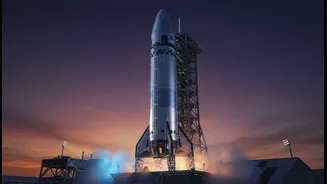
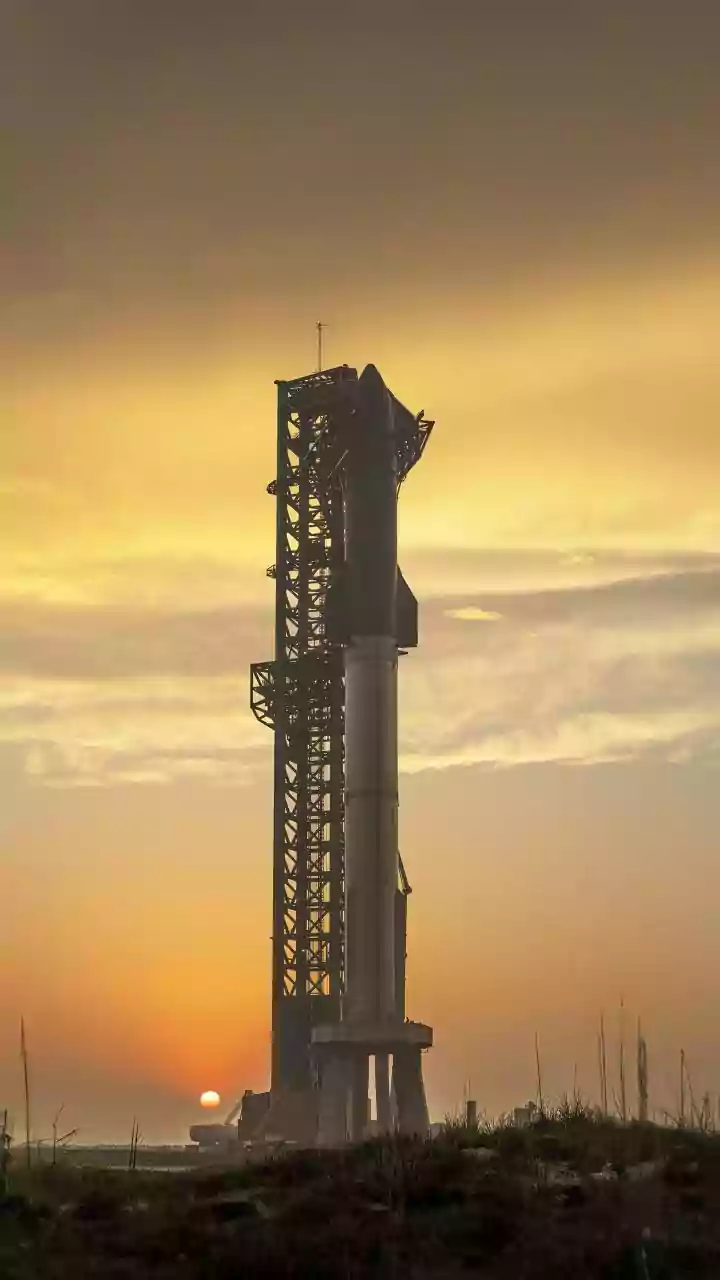
Recent test flights have seen both the colossal Super Heavy booster and the Starship upper stage survive their fiery descents to perform controlled ocean splashdowns. While impressive, these are just steps toward the ultimate goal: catching the booster with
giant robotic arms and flying the spacecraft back to the launch pad for a quick turnaround. This isn't just about saving money on hardware; it's about fundamentally changing the pace of operations. Instead of building a new rocket for every mission, a process that can take months or years, a reusable system allows for a flight rate more like an airline than a traditional space agency. This rapid iteration is a core part of SpaceX's philosophy, allowing engineers to learn from each flight and quickly implement improvements.
Breaking the Tyranny of Cost
The single biggest barrier to ambitious space exploration has always been the immense cost of launching anything into orbit. Historically, spaceflight has meant building a billion-dollar machine, using it once, and then letting it burn up in the atmosphere or crash into the ocean. Full reusability shatters this economic model. By dramatically lowering the cost per launch, Starship makes previously unthinkable projects viable. The most crucial element this enables is the concept of orbital refueling, which is the key to unlocking the solar system.
The Interplanetary Gas Station
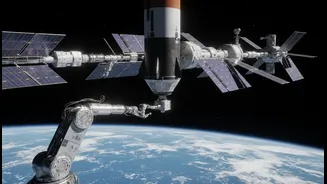
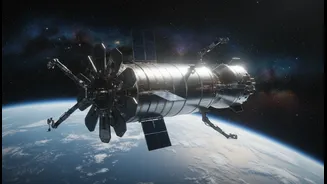
A single Starship, on its own, does not have enough fuel to send a heavy payload to Mars and land. To do that, it needs to be refueled in low Earth orbit. The plan involves launching a crewed or cargo Starship, and then launching several more “tanker” Starships to meet it in orbit and top off its fuel tanks. This maneuver has never been done on this scale, and it is only economically possible with fully reusable rockets. Without reusability, the cost of the four or five extra launches required for one Mars mission would be astronomical. With a reusable fleet, these tanker flights become routine and affordable, turning low Earth orbit into a staging ground for deep space missions. SpaceX has begun testing the components for this, including in-space propellant transfer demonstrations.
What This Means for the Moon
The first beneficiary of this progress is NASA's Artemis program, which aims to return humans to the Moon. NASA has selected a version of Starship as its Human Landing System (HLS), the vehicle that will ferry astronauts from lunar orbit down to the surface and back. The continued success of Starship's test flights provides growing confidence that the vehicle can meet the demanding requirements of a crewed lunar landing. While initial timelines for Artemis have been adjusted, the rapid progress of Starship's development is seen as a critical factor in de-risking the program and ensuring a sustainable, long-term presence on the Moon, rather than just a fleeting visit.
Accelerating the Path to Mars
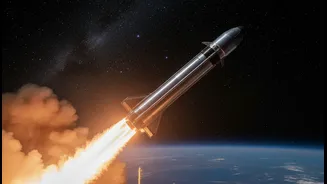
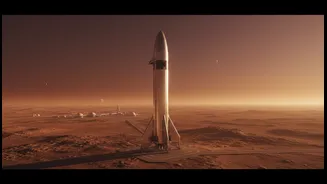
Ultimately, Starship was designed with Mars as the destination. Reusability and orbital refueling don't just make a Mars mission cheaper; they make it faster and safer. A fully-fueled Starship can take a more direct, high-energy trajectory to Mars, potentially cutting the transit time from 6-9 months down to as little as 3-4 months. This drastically reduces the crew's exposure to deep-space radiation and the physical toll of zero gravity. SpaceX's aggressive plan involves sending uncrewed cargo ships as early as the next Mars launch window, with crewed missions potentially following in the early 2030s. What once seemed like science fiction is now becoming a question of engineering and logistics, driven by the revolution in reusability.