

Beyond the Anonymous Hotel
In the majestic landscapes of Kinnaur, where every view is a painting, a standard hotel can sometimes feel disconnected from its surroundings. You check in, get a key, and experience the place through a window. A homestay, however, offers a completely
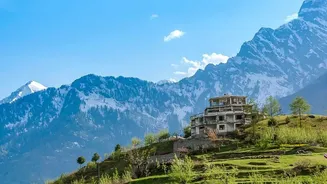
different paradigm. It’s not just a room; it’s an invitation. From the moment you are welcomed, often by the entire family, you are no longer just a tourist but a guest in a home. This shift is profound. It replaces the impersonal nature of a hotel lobby with the warmth of a Kinnauri household, often surrounded by apple orchards with panoramic views of the Kinner Kailash range. This isn't just about accommodation; it's about connection and experiencing the famed Himachali hospitality firsthand.
A Genuine Taste of Kinnauri Cuisine
One of the most memorable ways a homestay shapes your journey is through its food. Hotel buffets often feature a generic, pan-Indian menu that could be served anywhere. In a homestay, the kitchen is the heart of the home and a gateway to authentic local cuisine. You'll get to savour dishes that you won't find in restaurants, prepared with fresh, local ingredients. Imagine starting your day with 'Chilta', a savoury buckwheat pancake, or ending it with a hearty meal of 'Dham', a traditional festive platter. Hosts are usually eager to share their culinary heritage, serving local specialties like 'Siddu' (steamed bread), 'Madra' (a yogurt-based curry), and other dishes shaped by the region's unique blend of Tibetan and Indian influences. Sharing a meal cooked by your host family offers a taste of the land itself—simple, nourishing, and made with care.
Your Personal Guide to Hidden Gems
Guidebooks and blogs can only take you so far. The real magic of Sangla and Kalpa lies in the smaller, unlisted experiences, and this is where your homestay host becomes an invaluable guide. They can point you to a secluded trail with the best valley views, tell you the story behind the local village temple, or suggest the perfect time to visit 'Suicide Point' in Kalpa for dramatic vistas. They know the bus schedules, the reliable taxi drivers, and the best shops for local handicrafts like Kinnauri shawls and caps. This insider knowledge transforms you from a visitor ticking off a checklist to an explorer discovering the pulse of the place. They can guide you on treks to places like Chaka Meadows or help you navigate the walk to Batseri, a village known for its preserved traditional architecture.
Living Life at the Mountain's Pace
Perhaps the most significant impact of a homestay is its ability to immerse you in the local rhythm of life. In the city, we are governed by deadlines and schedules. In a Kinnauri homestay, you wake up to the sun hitting the snow-capped peaks and go to bed after an evening of conversation, perhaps by a traditional 'tandoor' or woodstove. You observe the daily routines tied to the seasons, whether it's the apple harvest in autumn or the quiet chores of winter. This slowing down is a vacation in itself. It allows you to appreciate the small details: the intricate wood carvings on the house, the sound of the Baspa River in the distance, and the shared laughter with people whose lives are so different yet fundamentally relatable.
A Bridge to Kinnauri Culture
Kinnaur has a unique culture, a fascinating blend of Hinduism and Buddhism that is reflected in its temples, monasteries, and traditions. Staying in a homestay provides a respectful window into this world. Your host might explain the significance of the local 'Devta' or the story behind the carvings at Kamru Fort. You're not just observing culture; you're living alongside it. This experience fosters a deeper understanding and appreciation that a simple sightseeing tour cannot provide. It’s an opportunity to learn about the 'Kinnauri' way of life, their language, their customs, and their deep connection to the mountains they call home. By choosing a homestay, you also contribute directly to the local economy, helping preserve this unique heritage for future generations.