


The Gut's Unsung Heroes
Before we dive into the pickle jar, let's talk about probiotics. These are live, beneficial bacteria that reside in our gut and play a crucial role in our overall health. Often called 'good' bacteria, they help balance our gut microbiome—the bustling
community of microorganisms in our digestive system. A healthy microbiome is linked to better digestion, stronger immunity, and even improved mood. When the balance is off, it can lead to common discomforts like bloating, gas, and indigestion. While you can get probiotics from supplements, many traditional foods are naturally rich in them.
The Crucial Difference: Fermented vs. Vinegared
Here's the most important thing to know: not all pickles are probiotic. The magic lies in fermentation. Traditional Indian pickles are often made through lacto-fermentation. This process involves preserving vegetables or fruits in a salt brine, sometimes with oil. Over time, naturally occurring beneficial bacteria, primarily from the Lactobacillus genus, convert the sugars in the ingredients into lactic acid. This lactic acid not only preserves the pickle but also creates a probiotic-rich food. In contrast, many modern, mass-produced pickles use vinegar to quickly achieve a sour taste. This method, along with pasteurization (heat treatment), effectively kills off any live and beneficial bacteria, meaning they lack probiotic benefits.
A Tour of India's Probiotic Pickles
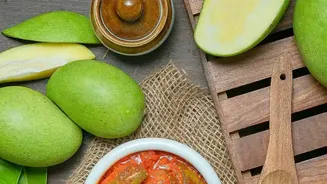
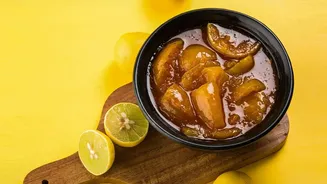
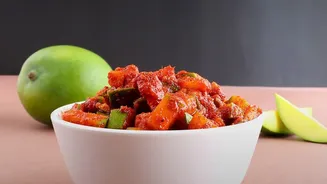
India's diverse culinary landscape offers a wide array of fermented pickles, each with a unique flavour profile. In Tamil Nadu, Vaadu Mangai is a classic pickle made with tiny, whole baby mangoes that are salt-cured and fermented over several days. This process gives them a distinct tangy depth. From the North, Kanji is a fermented drink but its principles apply to pickles made from ingredients like black carrots and beetroots, creating a probiotic-rich brine. In the Northeast, fermented bamboo shoot pickle, known as Khorisa in Assam, is a regional staple rich in gut-friendly microorganisms. Even common lemon or green chilli pickles, when made traditionally with salt and allowed to mature in the sun without vinegar, can be great sources of probiotics.
How They Soothe Digestive Discomfort
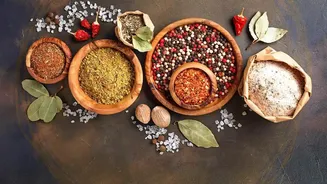
So, how does a spoonful of fermented pickle help your tummy? The live probiotics introduced into your system can help restore balance to your gut flora. These beneficial bacteria can aid in the breakdown of food, potentially reducing bloating and improving nutrient absorption. Some studies suggest that regular consumption of certain fermented foods may increase the diversity of the gut microbiome. For example, a 2025 study noted that consuming traditional lemon-chilli pickles led to a significant increase in gut microbiota diversity among participants. Spices commonly used in achar, such as asafoetida (hing), fenugreek, and turmeric, also have their own digestive benefits and anti-inflammatory properties.
Choosing and Using Pickles Wisely
To reap the probiotic benefits, you need to choose the right kind of pickle. Look for labels that mention 'naturally fermented' or 'live cultures'. Often, the best sources are homemade pickles or those from small-batch, artisanal producers who use traditional methods. Be wary of commercial brands that list vinegar high up in their ingredients or mention being heat-treated. While these heritage pickles offer benefits, they are also typically high in salt and oil, so moderation is key. A small spoonful with your meal is enough to add flavour and a potential probiotic boost without overdoing the sodium. Think of it as a potent condiment, not a main dish.