




What Exactly Are These Bots?
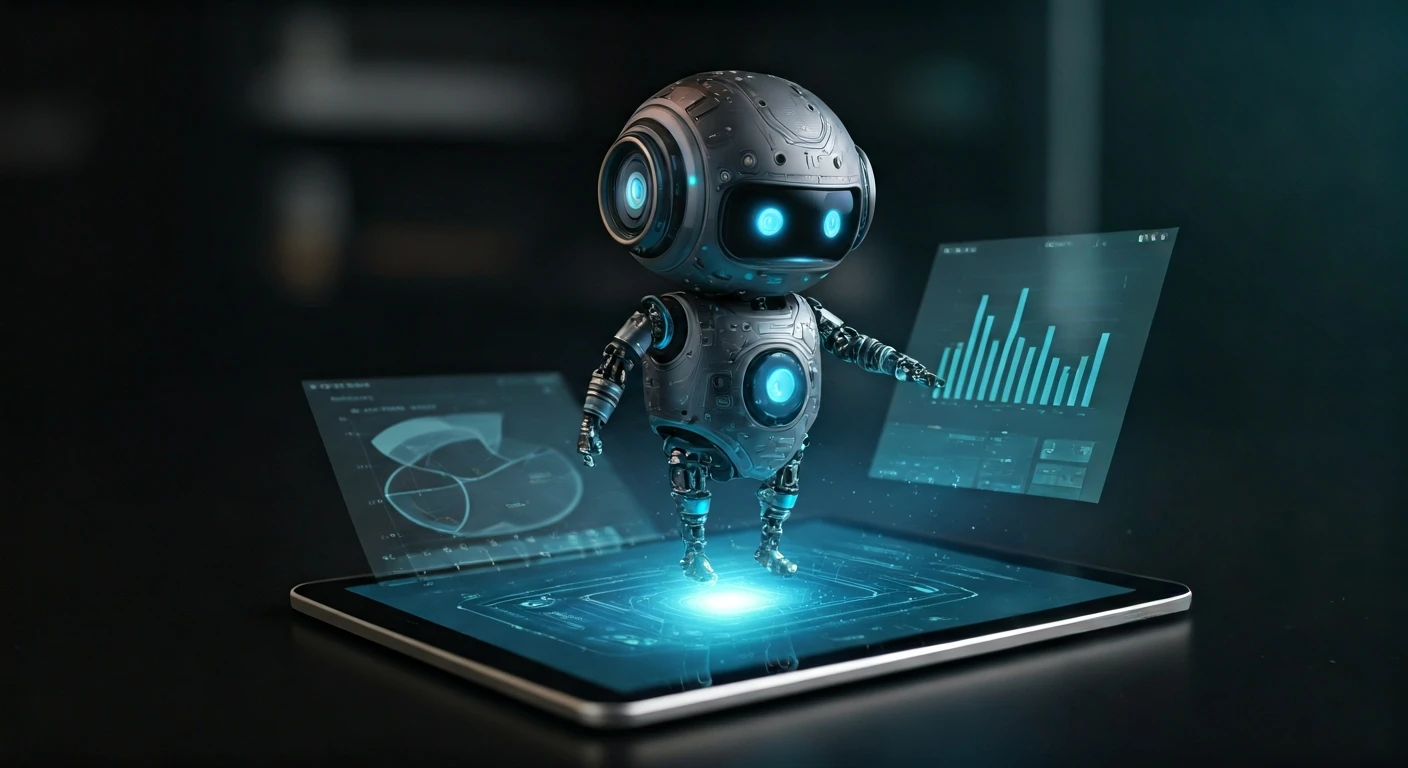
At its core, an adaptive reading bot is a sophisticated software program, often powered by artificial intelligence (AI), designed to help students improve their reading skills. Unlike a static worksheet or a pre-programmed app, these bots don’t follow
a one-size-fits-all path. Instead, they function like a personal tutor, observing a student's performance and adjusting the material on the fly. If a child is breezing through a passage on vocabulary, the bot might introduce more complex sentence structures. If they are struggling with a particular sound, it might offer simpler exercises to build foundational skills before moving on.
The 'Real-Time' Magic Explained
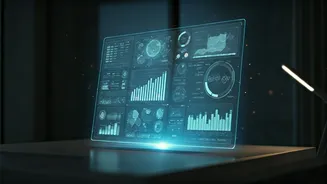
The secret lies in data. As a student interacts with the bot—reading a paragraph, answering a comprehension question, or identifying a word—the system collects dozens of data points. It’s not just tracking right or wrong answers. It’s measuring the time taken to respond, patterns of hesitation, which incorrect answers were chosen, and even how often a student re-reads a section. This continuous stream of information is processed by an algorithm in real-time. This allows the bot to make instant decisions, custom-tailoring the very next question or passage to perfectly match the student's current ability and keep them in the 'zone of proximal development'—that sweet spot where learning is challenging but not overwhelming.
The Promise of Personalised Learning
The primary benefit is true personalisation at scale, something that is incredibly difficult for a single teacher to achieve in a classroom of 30 or more students. For a child who is falling behind, the bot can provide patient, non-judgmental reinforcement on basic concepts without holding back the rest of the class. For an advanced learner, it can offer enrichment material that prevents boredom and fosters a deeper love for reading. This individualised pacing ensures that every student is appropriately challenged, which is a key driver of engagement and confidence. The immediate feedback loop also helps correct misunderstandings before they become ingrained habits.
Beyond Just Right or Wrong
More advanced adaptive systems are moving beyond simple metrics. They are being developed to gauge a student's emotional state, such as frustration or engagement, through their interaction patterns. For instance, if a student starts answering questions very quickly and carelessly, the bot might interpret this as boredom and introduce a more game-like element or a different type of text. Conversely, repeated long pauses might signal confusion, prompting the bot to offer a hint or break down the problem into smaller steps. This ability to respond to the nuances of the learning process is what makes these bots so powerful.
The Hurdles and Human Element
Despite the potential, this technology is not a silver bullet. Significant concerns remain. Data privacy is a major issue: who owns the vast amount of student performance data being collected, and how is it being used? There's also the risk of algorithmic bias, where the bot’s programming might inadvertently favour certain learning styles or demographics over others. Furthermore, an over-reliance on screen-based learning can neglect the development of crucial social and collaborative skills. Experts stress that these bots are tools to augment, not replace, human teachers. A teacher's ability to provide emotional support, inspire curiosity, and foster critical thinking in a group setting is something an algorithm cannot replicate.
What This Means for India
In the burgeoning Indian ed-tech landscape, adaptive learning is a key selling point for many platforms. With a diverse student population and varying access to quality instruction, technology that can provide affordable, personalised tutoring holds immense appeal. It aligns with the goals of the National Education Policy (NEP) 2020, which emphasizes the role of technology in making education more equitable and effective. As these tools become more widespread, the challenge for parents and educators will be to choose high-quality platforms and integrate them thoughtfully into a balanced learning diet that still values human interaction.