




The Myth of 'Natural' Sugars
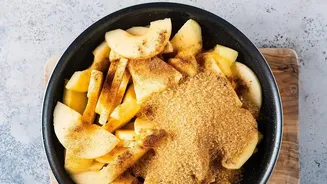
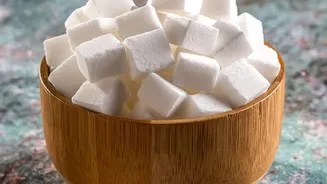
A common belief is that swapping white sugar for 'natural' alternatives like jaggery (gur), honey, or brown sugar makes a dessert diabetes-friendly. This is a dangerous misconception. Your body breaks down all these sweeteners into glucose. While jaggery contains
trace minerals like iron and magnesium, the amounts are too small to offer a real health benefit at the quantities consumed in sweets. In fact, some studies show that common sugarcane jaggery has a glycemic index (GI) of around 84, which is even higher than that of white sugar (around 65). This means it can raise blood sugar levels even faster. For people managing diabetes, all these sugars—refined or unrefined—should be treated with the same caution and consumed in very limited amounts.
It’s Not Just Sugar, It’s the Carbs
Managing diabetes isn't only about avoiding sugar; it's about managing total carbohydrate intake, as all carbs eventually impact blood sugar. Many homemade sweets are prepared with refined white flour (maida), which has a high glycemic index and can cause sharp spikes in blood glucose. Even seemingly healthier whole wheat flour has a carb content comparable to white flour. The key is to look beyond just the sweetener and consider the entire recipe. The total grams of carbohydrates in a serving is the most critical number to watch, not just the amount of sugar.
The Hidden Role of Fats
The type and amount of fat used in homemade sweets also play a significant role in diabetes management. Many traditional recipes call for generous amounts of ghee, butter, or other saturated fats. While dietary fat doesn't directly raise blood sugar like carbohydrates, excessive intake of saturated fats can contribute to insulin resistance over time, making blood sugar harder to control. Furthermore, high-fat foods are also high in calories, which can lead to weight gain—a major factor in managing type 2 diabetes. Conversely, incorporating healthy unsaturated fats, like those from nuts and seeds, can help improve insulin sensitivity and support heart health, which is a crucial consideration for anyone with diabetes.
Making Smarter Ingredient Swaps
The good news is that you can modify recipes to make them genuinely friendlier for blood sugar management. Instead of high-carb flours like maida or even whole wheat, consider alternatives like almond flour, coconut flour, or chickpea flour (besan). These options are lower in carbohydrates and higher in protein and fibre, which helps slow down glucose absorption. For sweetness, skip the sugar and jaggery in favour of natural, zero-calorie sweeteners like stevia or monk fruit extract, which do not impact blood sugar levels. Using unsweetened applesauce or mashed bananas can also add natural sweetness and moisture, but remember these still contain carbohydrates and should be factored into your portion.
Portion Control Is Non-Negotiable
Even with the healthiest ingredients, moderation is paramount. A 'diabetes-friendly' sweet is not an invitation to eat unlimited quantities. Portion control remains the most critical factor in enjoying desserts safely. Think of sweets as a special treat, not a daily staple. When you do indulge, be mindful of the serving size. A good strategy is to have a small portion of dessert as part of a balanced meal, rather than on an empty stomach, to lessen its impact on your blood sugar. Sharing a dessert or saving it for special occasions helps maintain a healthy relationship with sweets without compromising your health goals.