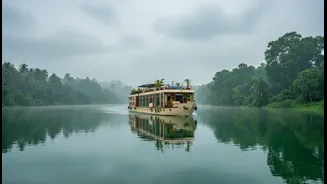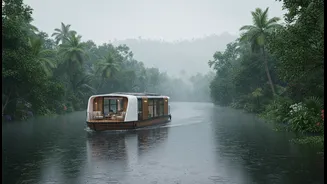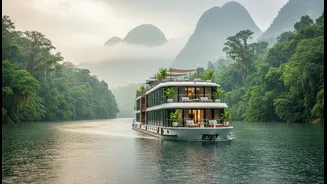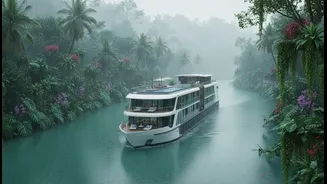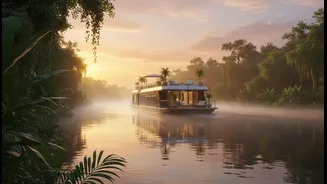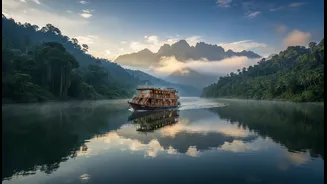





A Different Kind of Monsoon Getaway
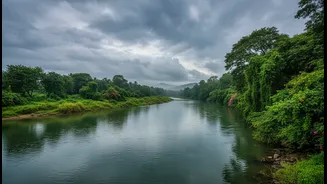
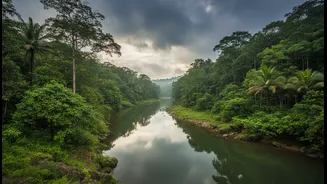
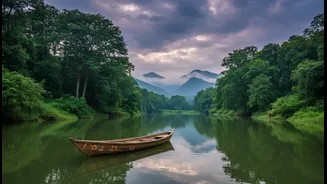
While monsoon travel often brings to mind either trekking through muddy trails or staying indoors, a quieter, more immersive option is gaining traction. River cruising during the rainy season offers a unique perspective on India's landscapes, which transform
into lush, emerald wonderlands. Unlike the peak tourist season, monsoon cruises are less crowded, offering a more peaceful and intimate journey. From the tranquil backwaters of Kerala to the mighty Brahmaputra in Assam and the historic Hooghly in West Bengal, operators are charting new courses that appeal to a generation seeking experiences over itineraries. The focus isn't on a packed schedule but on the journey itself: watching the rain fall on the water from a comfortable cabin, witnessing wildlife along the swollen riverbanks, and seeing river-based communities in their element.
The Rise of the Millennial Micro-Cation
This trend is perfectly timed with the rise of the 'micro-cation'—a short, intentional trip of two to four days. For many Indian millennials and Gen Z professionals, long annual leaves are a luxury. Instead, they are opting for multiple short breaks throughout the year to reset and combat professional burnout. These trips are often planned spontaneously and focus on quality experiences rather than seeing a long list of sights. A monsoon river cruise fits this need perfectly. It's a self-contained holiday that requires minimal planning once booked, offering a complete change of scenery and pace within a long weekend. Recent travel reports show a marked shift towards this type of modular travel, where short, frequent escapes hold more lifestyle value than a single, lengthy annual vacation.
What 'Low-Impact' and 'Slow Travel' Mean Here
A key part of the appeal is the promise of sustainable or 'low-impact' tourism. In this context, it refers to smaller vessels that have a minimal environmental footprint. Many operators use intimate boats with only a handful of cabins, ensuring that the experience is quiet and doesn't disrupt local ecosystems or communities. This approach is a core part of the 'slow travel' movement, which rejects the pressure to rush and instead encourages a deeper connection with a place. On these cruises, the pace is dictated by the river itself. Excursions often involve engaging with local culture in a responsible way, such as visiting artisan villages, exploring local markets, or learning about traditional farming and fishing practices, ensuring that tourism benefits the community directly.
Where to Experience the Magic
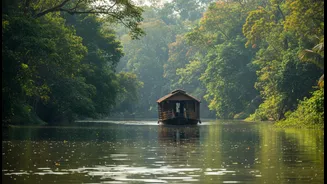
While the trend is growing, it's most prominent in a few key regions. The backwaters of Kerala are a classic destination, where traditional houseboats, or 'kettuvallams', offer a front-row seat to rain-washed paddy fields and swaying palms. Many find the monsoon to be the best time to experience the backwaters, as the landscape is at its most vibrant and the atmosphere is deeply romantic. In the Northeast, cruises on the Brahmaputra in Assam offer a blend of wildlife and culture, with opportunities to spot rhinos in Kaziranga National Park and visit Majuli, the world's largest river island. Though some Brahmaputra cruises halt during the peak monsoon floods, shoulder-season travel offers a lush, green experience. Meanwhile, cruises on the Hooghly in West Bengal provide a journey through history, passing colonial-era towns and ancient temples.