

More Than Just Reaching Faster
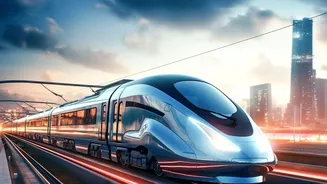
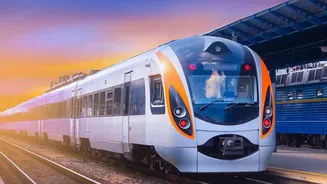
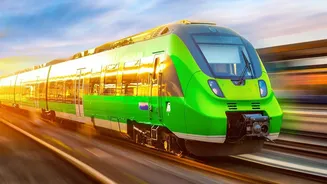
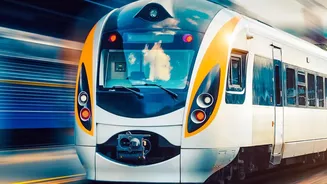
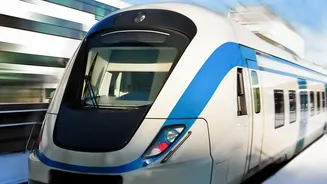
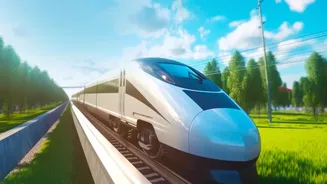
The Vande Bharat Express isn't just about cutting down travel time; it's about upgrading the entire travel experience. For many, train travel was often associated with delays, crowded compartments, and unpredictable comfort. The Vande Bharat offers a stark
contrast with its clean, air-conditioned coaches, reserved seating, and modern onboard amenities. This shift from a purely functional mode of transport to a comfortable and reliable one is a significant factor in its appeal. Passengers are now willing to trade long, stressful road trips—often plagued by traffic jams and poor road conditions—for a relaxed journey with panoramic windows. This improved travel quality means tourists arrive at their destination feeling refreshed and ready to explore, rather than exhausted from the journey itself.
The New Weekend Travel Calculus
The core of the Vande Bharat's impact lies in simple mathematics. Shaving two, three, or even more hours off a journey fundamentally alters the weekend travel equation. A trip that previously required an overnight journey or an entire day on the road now fits comfortably within a shorter timeframe. For instance, the journey from Delhi to Dehradun now takes under five hours, making a spontaneous trip to the foothills of Mussoorie a viable option. Similarly, the Delhi to Varanasi route, which can take over 10-12 hours by road or other trains, is now an eight-hour journey, making the ancient city accessible for a two-day spiritual sojourn. This time-saving allows travellers to leave after work on a Friday and return late on Sunday, effectively maximising their leisure time without needing to take extra days off.
Popular Corridors and Emerging Gateways
Certain routes have quickly become favourites for weekend warriors. The Mumbai-Goa line is a prime example, offering a scenic journey through the Konkan coast that rivals the views of a road trip without the hassle of driving. Likewise, the Chennai-Mysuru service has brought the 'City of Palaces' closer to Chennai residents, catalysing short cultural trips. Beyond these established tourist circuits, the network is creating new gateways. The service to Katra from Delhi has boosted religious tourism to Vaishno Devi, while new connections in Kashmir are opening up the valley to more weekend visitors. Occupancy rates on these leisure-focused routes frequently exceed 100% on long weekends, a clear indicator of their popularity. Even sleeper versions on longer routes, like the Howrah-Kamakhya service, are seeing immense demand, cutting travel times significantly and encouraging longer-distance weekend travel.
A Ripple Effect on Local Economies
The influx of weekend tourists is providing a significant boost to local economies in destination cities. Hotels, guesthouses, restaurants, and local transport providers in towns like Shirdi, Tirupati, Ajmer, and Dehradun are witnessing increased footfall directly linked to the Vande Bharat connectivity. This trend is not just limited to major tourist hubs. By connecting Tier-2 and Tier-3 cities, the Vande Bharat network helps distribute tourism revenue more evenly across regions. Local artisans, tour guides, and small businesses benefit from the steady stream of visitors who now find their towns within easy reach. The improved connectivity is a catalyst for regional development, encouraging investment in tourism infrastructure and creating new employment opportunities.