





Beyond the Shaker Bottle
The post-workout routine is sacred for any gym-goer. It’s the critical window to refuel, repair muscle, and maximize gains. For years, whey protein has dominated this space, but the conversation is shifting. More athletes are seeking whole-food alternatives
that are not only effective but also affordable, easy to digest, and free from artificial additives. This has led to a resurgence of interest in two humble staples of the Indian diet: sattu and sprouted legumes. These aren't just old-world foods; they are nutrient-dense powerhouses perfectly suited for modern fitness goals.
Sattu: The Desi Superfood
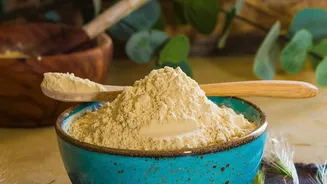
Sattu, a flour made from roasted Bengal gram (chana), has long been a secret weapon for labourers and farmers needing sustained energy. Now, it's being embraced by the fitness community. A 100-gram serving of sattu offers a robust 20-26 grams of plant-based protein, making it a formidable competitor to many commercial protein powders. But its benefits go beyond just protein. It's rich in complex carbohydrates, which are essential for replenishing glycogen stores depleted during a workout. Furthermore, sattu is packed with dietary fibre, which aids digestion, and essential minerals like iron, magnesium, and calcium that support muscle function and overall health.
The Ultimate Recovery Drink
One of the easiest ways to use sattu is in a post-workout shake. A typical serving for recovery is about 2-4 tablespoons. Simply mix the sattu powder in a glass of water, adding a pinch of black salt, a squeeze of lemon, and roasted cumin powder for a classic savoury 'sharbat'. This mixture is not only protein-rich but also incredibly hydrating and acts as a natural electrolyte drink, perfect after a sweaty session. For those who prefer a sweeter shake, blending sattu with milk (or a plant-based alternative), a banana, and a touch of honey creates a complete recovery meal in a glass, delivering both protein for muscle repair and natural sugars for energy restoration. Consuming it within two hours post-workout is ideal for maximizing muscle recovery benefits.
Sprouted Legumes: Living Nutrition
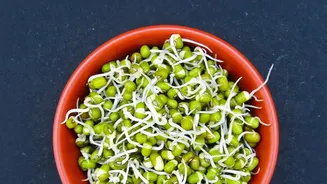
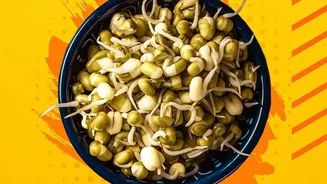
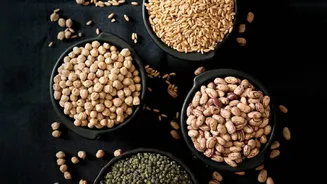
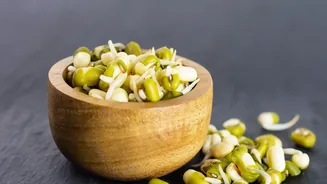
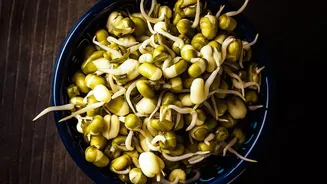
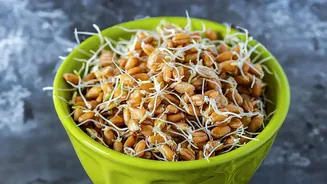
Sprouting is the process of germinating seeds, and it transforms legumes like mung beans, lentils, and chickpeas into nutritional dynamos. The process of sprouting dramatically increases the bioavailability of nutrients. It breaks down anti-nutrients like phytic acid, which can hinder the absorption of minerals. This means your body can more easily access the iron, zinc, and magnesium within the legumes. Critically for recovery, sprouting also breaks down complex proteins into simpler amino acids, making them easier for your body to absorb and use for muscle repair.
Why Sprouts Work for Recovery
Sprouted legumes are a source of 'living' enzymes that aid your own digestive processes, ensuring you get the maximum benefit from what you eat. Mung bean sprouts, for example, are rich in the amino acid leucine, which plays a key role in triggering muscle protein synthesis. A cup of lentil sprouts can provide around 7-8 grams of easily digestible protein. The combination of bioavailable protein, vitamins, and minerals makes sprouts an excellent food for reducing inflammation and supporting the body’s natural repair mechanisms after intense exercise.
Adding Sprouts to Your Plate
Incorporating sprouted legumes into your diet is simple. They can be eaten raw in salads for a crunchy texture or as a garnish on soups and sandwiches. A popular method is to make a simple 'chaat' by mixing a cup of sprouts with chopped onions, tomatoes, cucumber, and a sprinkle of chaat masala. For those who prefer them cooked, a light stir-fry with minimal spices is a great option. It's best to avoid overcooking them to preserve their delicate enzymes and nutrients. Consuming a portion of sprouts after a workout can significantly contribute to your recovery and overall nutritional intake.