






A Monumental Occasion
On October 3, at Kolkata’s iconic Salt Lake Stadium, the Indian senior men's team will play Brazil for the first time ever. This isn't just a match; it's a landmark event AIFF President Kalyan Chaubey has called a 'historic' opportunity. For a country
with a massive Brazilian fan base, hosting the Seleção, currently ranked 5th in the world, is a dream realised. The match provides invaluable experience for an Indian side ranked 138th. However, the occasion hasn't been without controversy. Critics, including former captain Bhaichung Bhutia, have questioned the high cost and the decision to withdraw from the FIFA ASEAN Cup to accommodate this single fixture, arguing competitive tournaments offer better long-term value.
The Brazilian Juggernaut
To understand the scale of India's challenge, one only needs to look at their opponent. Brazil is the most successful nation in World Cup history with five titles. Their squad, even for a friendly, is a who's who of global football. Coach Carlo Ancelotti has brought a formidable team to Kolkata, including stars like Real Madrid's Vinicius Junior, Arsenal's Gabriel Magalhaes, and Newcastle's Bruno Guimaraes. Fresh off a 4-2 win against Australia, the Seleção are rebuilding after a disappointing last-16 exit at the 2026 World Cup but remain one of the most technically gifted and feared teams on the planet. Their very presence on Indian soil is a testament to the nation's passionate football following, particularly in Kolkata, a city that famously divides its loyalty between Brazil and Argentina during every World Cup.
The Ambition of the Blue Tigers
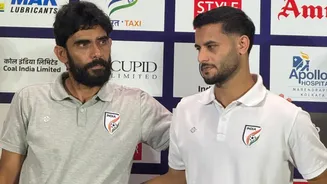
For India, this match is a brutal, but necessary, reality check. The Blue Tigers have seen their FIFA ranking fluctuate, currently sitting at 138th after failing to qualify for the 2027 Asian Cup. The team, led by coach Khalid Jamil and captain Gurpreet Singh Sandhu, is in a transitional phase, blending experienced players with emerging talent from the Indian Super League. While India has dominated in South Asia with nine SAFF Championship titles, the gap to the world's elite is immense. Playing against the best is a core part of the AIFF's strategy to help the players grow and inspire them to 'dream bigger'. This match isn't about rankings; it's about exposure, experience, and setting a new benchmark for Indian football.
The Tactical Gulf
Realistically, India’s strategy will be one of containment and resilience. Expect the Blue Tigers to deploy a deep, organised defence, absorb immense pressure, and hope to frustrate their highly skilled opponents. The key will be discipline, minimising errors, and trying to create fleeting chances on the counter-attack or through set-pieces. For India, success won't be measured solely by the final score. A respectable performance, avoiding a heavy defeat, or even managing to score a goal would be considered a significant achievement against such formidable opposition. It's a test of character and a chance to learn lessons that no training session can provide.
So, Can India Actually Win?
To put it bluntly, a victory for India would be one of the greatest shocks in the history of international football. The gulf in class, experience, and technical ability is simply vast. Brazil, even with a rotated squad, fields players from the world’s top leagues. India's team is still developing. While football is famously unpredictable and an early goal or a moment of magic can change a game, the odds are overwhelmingly stacked against the Blue Tigers. A draw, while statistically unlikely, would be a monumental result that would see India's FIFA ranking points drop slightly but their global standing soar. A loss is the most probable outcome. But the question in the headline perhaps misses the point. This match is not about the probability of a win; it's about the possibility of growth. It is a win for Indian football just by being on the same pitch.