



When the Sun Becomes the Enemy
Across northern India, scorching summer temperatures are rewriting the rules of daily life and travel. With daytime highs soaring past 110°F (43°C) and sometimes touching 120°F (49°C), sightseeing has become not just uncomfortable, but genuinely hazardous.
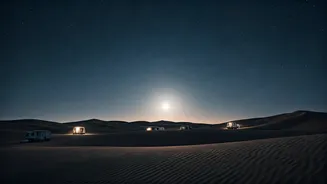
For decades, the peak tourist season in places like the desert state of Rajasthan concluded by March. But in a world reshaped by a changing climate, even the shoulder seasons are proving punishingly hot. This isn't just an inconvenience; it's a fundamental threat to the tourism industry. Standing in an unshaded palace courtyard or hiking in the mountains at 2 p.m. is now a non-starter for many. In response, a clever and necessary adaptation is taking hold: if you can't beat the heat, you avoid it entirely by embracing the night.
Introducing 'Noctourism'
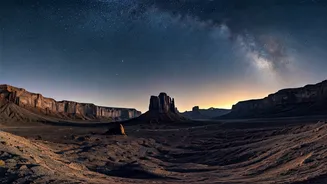
Enter 'noctourism,' or night tourism. This isn't just about grabbing a late dinner or hitting a club. It's a conscious restructuring of the entire travel day. Instead of waking up early for a sunrise tour, travelers are sleeping in, relaxing in air-conditioned hotels during the peak heat, and beginning their adventures only after the sun has set. Tour operators, local guides, and even government tourism bodies are starting to formalize this shift, offering dedicated night-time experiences that were once niche add-ons. From moonlit heritage walks to late-night culinary tours and stargazing expeditions, the itinerary is being inverted. This shift provides a welcome reprieve from the oppressive heat, but it also offers a completely new way to experience iconic landscapes and cities, bathed in the soft glow of artificial lights or brilliant starlight.
Moonlit Forts in Rajasthan
In Rajasthan, a state famed for its majestic forts and vibrant cities, noctourism is transforming the visitor experience. In Jaipur, the 'Pink City,' authorities have begun illuminating major monuments like the Amber Fort and Albert Hall Museum specifically for night viewing. The effect is magical. The intricate architecture, which can seem overwhelming under the harsh midday sun, takes on a dramatic, almost theatrical quality at night. Local guides are now leading late-night food walks through bustling bazaars, where the culinary scene comes alive after dark. Instead of a sweaty, crowded daytime tour, visitors are discovering the romance of seeing a centuries-old palace lit against the night sky, feeling the cool evening breeze in a place known for its desert heat.
A Universe of Stars in Ladakh
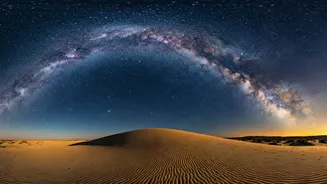
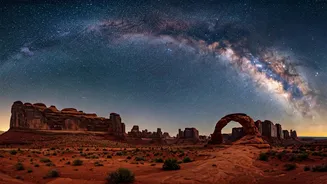
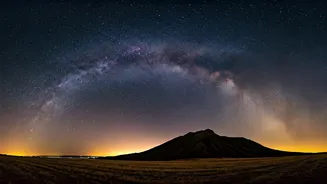
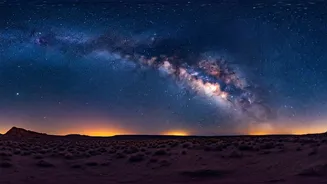
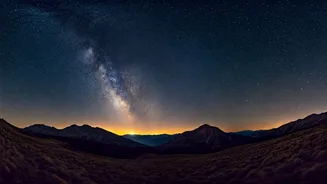
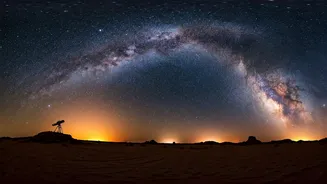
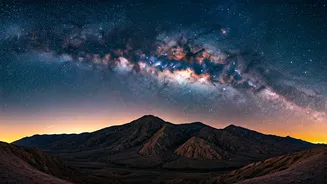
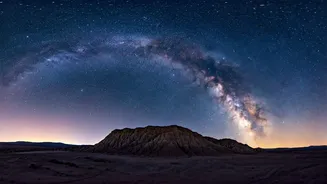
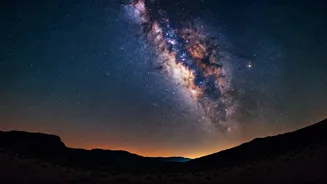
Hundreds of miles north, in the high-altitude, cold desert of Ladakh, a different kind of noctourism is booming. Here, the appeal isn't escaping heat in the same way as the plains, but capitalizing on one of the region's greatest natural assets: its incredibly clear night skies. Nestled in the Himalayas, Ladakh has minimal light pollution and dry, stable air, making it one of the best places on Earth for stargazing. The Hanle Dark Sky Reserve, India's first, is drawing astronomers and tourists alike. Travelers are foregoing traditional daytime monastery visits to instead spend their nights on guided astronomical tours, gazing at the Milky Way with the naked eye. This focus on astro-tourism provides a powerful, sustainable attraction that is perfectly suited to the night, turning Ladakh's remote location into its biggest selling point.
The Future of Travel in a Warming World?
While this trend is currently most pronounced in India, it offers a glimpse into what may become a global standard for travel in the planet's emerging hot zones. Destinations from the American Southwest to Southern Europe and the Middle East are already grappling with summers that are too extreme for traditional tourism. The idea of a 'siesta-and-sightseeing' model, where the hottest part of the day is for rest, is no longer just a cultural quirk but a practical necessity. The rise of noctourism in Rajasthan and Ladakh isn't just a story about India; it's a case study in human adaptability. It demonstrates how the travel industry, and travelers themselves, can innovate to keep the spirit of discovery alive, even as the world around them changes in fundamental ways.