



A Craving for Comfort and Creativity
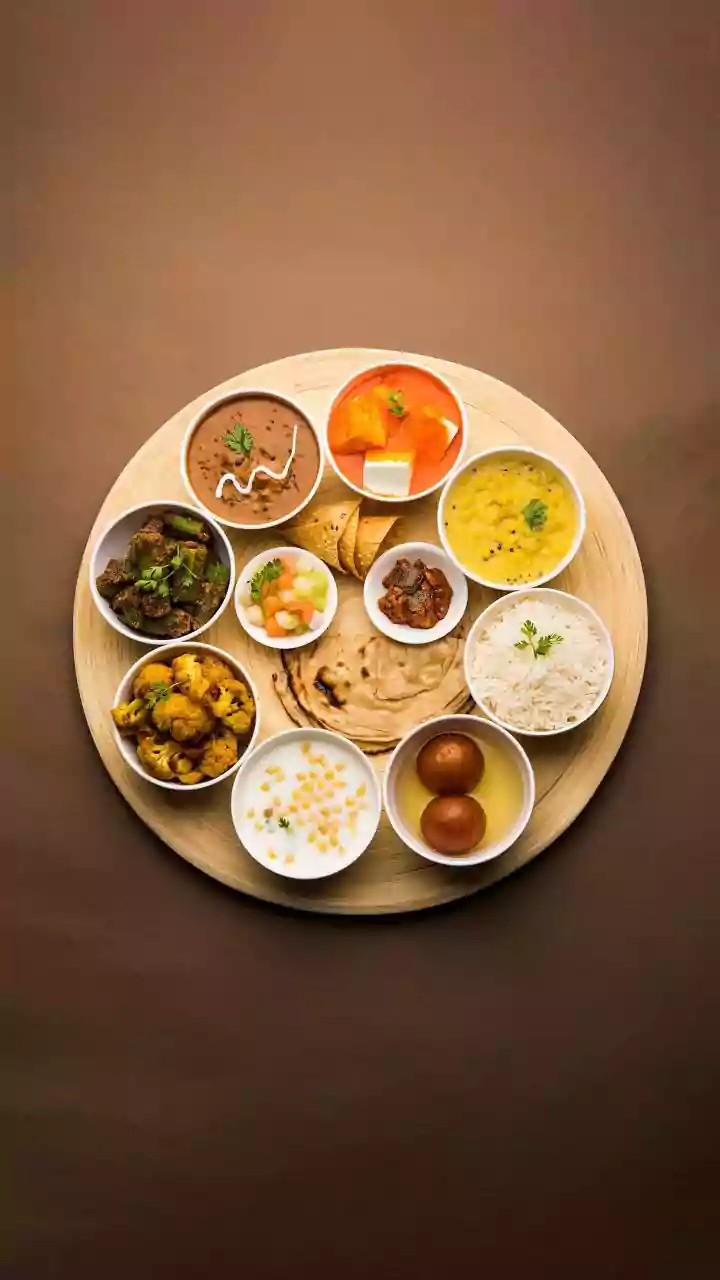
There's a growing appetite for desserts that tell a story, and what better story than one rooted in our own culinary heritage? Chefs and cafe owners are tapping into a collective nostalgia, recognising that traditional Indian sweets offer a treasure trove
of flavours and textures that resonate deeply with customers. This isn't just about satisfying a sweet tooth; it's about blending comfort with discovery. By reinterpreting these beloved classics, cafes can offer something that feels both comfortingly familiar and excitingly new, creating a bridge between generations and paying homage to tradition while embracing modernity.
Beyond Just 'Fusion'
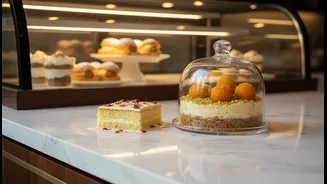
This trend goes far beyond simply placing a gulab jamun next to a scoop of vanilla ice cream. The real art lies in deconstruction—breaking down a traditional sweet to its core components and reimagining it in a new form. It’s a philosophy of 'form versus flavour,' where a dessert might remind you of the original's shape or its distinct taste, but not necessarily both. Think Gulab Jamun Cheesecake, where the soft, syrupy sweet is baked into a creamy cheesecake base, or a Rasmalai Tiramisu, which swaps Italian ladyfingers for delicate, milk-soaked paneer patties. The goal is to innovate while respecting the soul of the original sweet, avoiding gimmicks and focusing on creating a genuinely delicious and balanced experience.
Inspiration from the East
Eastern India, particularly Bengal, offers a rich palette for cafe menus. The delicate, cheesy texture of Sandesh, for instance, is a perfect candidate for reinvention. Imagine a Sandesh Panna Cotta, combining the Italian cooked cream dessert with the subtle sweetness of fresh chhena. Another iconic sweet, Mishti Doi, with its unique fermented flavour and earthy notes, could be transformed into a creamy, tangy frozen yogurt or a baked cheesecake that offers a surprising depth of flavour, far from the one-note sweetness of many Western desserts.
Northern Delights Reimagined
The robust and iconic sweets of the North provide endless inspiration. The intricate, syrupy web of a jalebi could be reimagined as a crispy garnish for a mousse or deconstructed into 'jalebi caviar' served with a light rabri foam. Motichoor laddoos can be crumbled and layered into an elegant parfait with whipped cream and nuts, offering a delightful textural contrast. Even the humble Gajar Ka Halwa can find new life as a warm, spiced filling for a crumble tart or a flavour base for a rich, creamy ice cream. These interpretations introduce classic flavours to a new audience in a format that feels both modern and accessible.
Southern Sweetness in a Cup
The South’s repertoire of sweets, often featuring jaggery, coconut, and rice, presents unique opportunities. The iconic Mysore Pak, known for its crumbly, melt-in-the-mouth texture, could be used as a base for a cheesecake or crumbled over a coffee-flavoured mousse. The creamy, cardamom-scented profile of Payasam or Kheer can be translated into a comforting latte flavour or a fragrant rice pudding served chilled in a modern style. These flavours, deeply rooted in South Indian tradition, can provide a sophisticated and aromatic twist to standard cafe fare.
The Chef's Creative Playground
For pastry chefs, this trend is a thrilling creative challenge. It’s an opportunity to blend techniques from French patisserie with Indian flavours, creating something entirely new. Brands like Bombay Sweet Shop and Kshir & Canelé are already pioneering this space, proving that there is a strong market for gourmet mithai that respects tradition while pushing boundaries. The key is balance—ensuring that the fusion doesn't become confusion. By thoughtfully integrating modern influences, chefs can create contemporary desserts that captivate a broad audience while preserving the heart and soul of these cherished Indian delicacies.