



The Fragrant Power of Zest
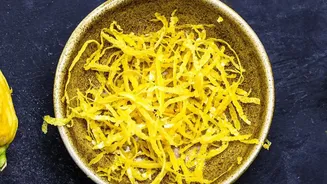
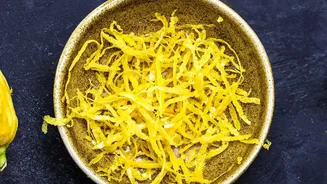
Lemon zest is the colourful outermost layer of the peel, and it is packed with the fruit's essential oils. Unlike lemon juice, which is primarily acidic and brings tartness, the zest provides a powerful, bright, and floral lemon aroma without adding extra
liquid or sourness. This makes it invaluable in baking, as it can infuse batters, doughs, and creams with intense flavour without altering their chemical balance. When you bake, the oils in the zest bloom, especially in the presence of fats like butter, releasing a complex fragrance that juice alone cannot replicate. For a truly vibrant lemon dessert, using both zest for aroma and juice for acidity often creates the most complete and fresh flavour profile.
Perfecting Your Zesting Technique
To get the best results, start by washing and drying your lemons thoroughly. The goal is to remove only the yellow part of the peel, as the white layer underneath, known as the pith, is bitter and can impart a harsh taste to your dessert. A microplane is often considered the best tool, creating fine, fluffy zest that melts seamlessly into mixtures. Simply rub the lemon across the grater, rotating the fruit as soon as you reveal the white pith. If you don't have a microplane, the finest side of a box grater works well. You can also use a vegetable peeler or a sharp paring knife to remove strips of peel, which you can then finely chop by hand.
The Classic: Lemon Pound Cake
The humble pound cake is a perfect canvas for lemon zest. In many recipes, the zest is creamed together with butter and sugar at the beginning of the process. This technique allows the lemon oils to infuse directly into the fat, creating a deep, aromatic base for the entire cake. While the juice might be added to the batter or used in a final glaze for a tangy finish, it's the zest that ensures every bite is filled with a rich, authentic lemon flavour. A well-made lemon pound cake, whether in a loaf or bundt pan, is a testament to how zest provides a foundational flavour that juice merely complements.
The Crowd-Pleaser: Lemon Bars
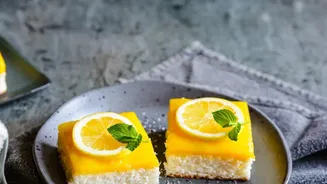
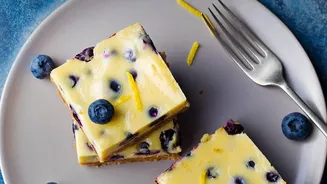
Lemon bars are a beloved treat that masterfully showcases both parts of the lemon. The shortbread crust is often enriched with lemon zest, giving the buttery base its own layer of bright, citrusy fragrance. Then, the sweet and tangy curd filling is typically made with a generous amount of both fresh lemon juice and zest. The juice provides the signature tartness and helps the filling set, while the zest ensures the lemon flavour is anything but one-dimensional. Some recipes even call for pulsing the zest with the sugar for the filling, ensuring the aromatic oils are fully released and distributed.
The Silky Surprise: Lemon Posset
A lemon posset is a deceptively simple yet elegant dessert made with just cream, sugar, and lemon. Here, the zest plays a crucial role in flavouring the cream. The zest is gently heated with the cream and sugar, allowing its aromatic oils to infuse the mixture. After a brief simmer, the mixture is removed from the heat and the lemon juice is stirred in. The magic happens as the acid from the juice reacts with the hot, high-fat cream, causing it to thicken into a silky, custard-like consistency as it chills. While the juice is the setting agent, the zest provides the deep, fragrant lemon essence that makes this dessert so memorable.