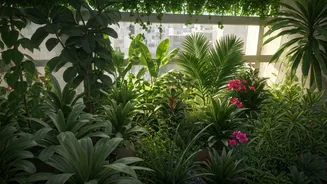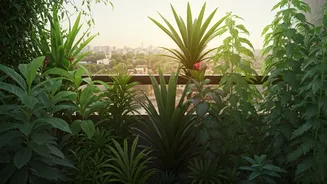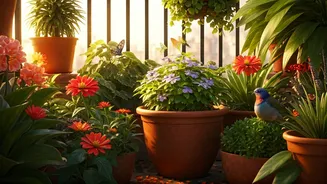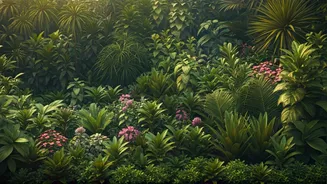





Why Go Native?
Before we dig in, why choose native plants over exotic ones? The answer is simple: they belong here. Native plants have evolved over millennia to thrive in India's specific climate and soil conditions. [3] This means they generally require less water,
fewer fertilisers, and are naturally more resistant to local pests. [5, 16] More importantly, they form the foundation of our local ecosystem. They provide the right kind of food and shelter for native insects, birds, and other wildlife, creating a balanced and resilient environment right on your terrace. [3, 11] By planting native species, you are not just growing a garden; you are helping to restore a piece of a fragmented habitat. [6, 11]
The Foundation: Pots, Soil, and Sun
Creating a terrace garden starts with the basics. Choose pots that are as large as you can manage, ideally at least 35cm wide and deep, to give roots ample space. [4] Ensure every pot has drainage holes to prevent waterlogging. [4] For soil, a quality, well-draining potting mix is essential for healthy growth in containers. [24] You can improve drainage further by mixing in some perlite. [13] Before you buy any plants, observe your terrace: which areas get full sun, and which are shaded? Knowing your light conditions is crucial for choosing plants that will flourish. Most of the flowering plants that attract pollinators will need several hours of direct sunlight each day. [7, 25]
Flowers for Winged Visitors
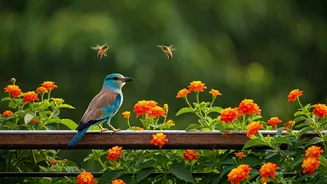
To attract butterflies and bees, you need a steady supply of nectar. Plant a variety of flowers that bloom at different times to create a year-round buffet. [4] Marigolds (Genda) are a fantastic, hardy choice, thriving in sunny spots and attracting butterflies with their vibrant colours. [7, 8] Hibiscus is another heat-tolerant favourite that brings in birds and butterflies with its large, nectar-rich blooms. [14, 15] For fragrant evenings, consider Mogra (Arabian Jasmine), whose scent is intoxicating. [17, 18] Other excellent choices for Indian balconies include the cheerful Ixora, clusters of Parijat (Night-flowering Jasmine), and the easy-to-grow Aparajita (Butterfly Pea) climber. [17, 21]
Herbs and Shrubs for Shelter and Scent
A thriving habitat offers more than just flowers. Incorporating native herbs and small shrubs provides different kinds of food, shelter, and nesting sites. [12] Tulsi (Holy Basil) is a must-have for any Indian home; it's revered, has medicinal properties, and its flowers attract small bees. [16, 19] The strong fragrance of herbs like Mint and Lavender can also be attractive to birds and insects. [8] Curry leaf (Kadi Patta) trees, when allowed to flower, are another magnet for butterflies. [21] These plants add layers to your mini-ecosystem, creating a more complex and welcoming environment for wildlife. [10]
Completing the Ecosystem
To make your terrace a true haven, think beyond plants. A simple, shallow dish of water can serve as a vital water source for birds and bees. [2, 14] Adding a few pebbles to the dish gives insects a safe place to land and drink. To support the entire life cycle of butterflies, you must welcome caterpillars too, which means strictly avoiding chemical pesticides and herbicides. [2, 21] These chemicals can harm the very pollinators you're trying to attract. [7] Embrace a little wildness; let some flowers go to seed as a food source for birds, and allow fallen leaves to provide shelter for beneficial insects. [14] Every small gesture helps build a more complete, functioning micro-habitat. [13]