


The Cosmic Connection to Halley's Comet
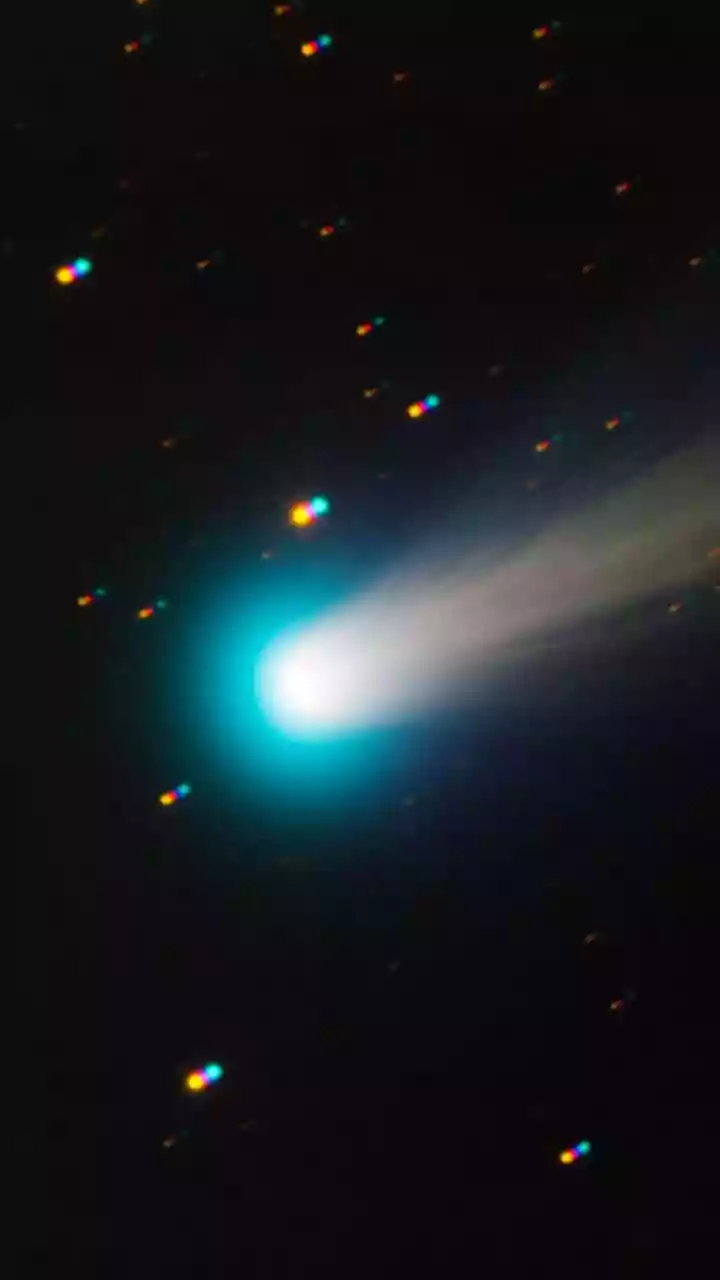
The Orionid meteor shower is one of two annual showers created by Comet 1P/Halley, the most famous comet in history. As Halley’s Comet orbits the Sun every 76 years, it leaves behind a trail of dust and icy debris. Each October, Earth passes through this
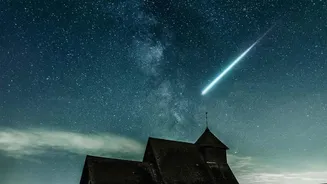
stream of particles. When these tiny fragments—many no bigger than a grain of sand—hit our atmosphere at tremendous speeds of around 66 km/s, they burn up, creating the spectacular streaks of light we call meteors. So, when you see an Orionid meteor, you are witnessing a piece of Halley's Comet completing its fiery journey. The shower gets its name because the meteors appear to radiate from a point in the constellation Orion.
When and Where to Look in 2026
The Orionids are active from early October to early November, but the best time to watch is during the peak. For 2026, the peak is predicted for the night of October 21-22. The key to success this year will be timing. A bright waxing gibbous Moon will be in the sky during the evening and early post-midnight hours, washing out fainter meteors. However, the Moon sets a few hours before dawn. This creates a perfect window of true darkness. Your best bet is to set an alarm and head out between 3:00 AM and sunrise. The radiant in Orion will be high in the sky, and you could see between 15 and 25 meteors per hour under ideal conditions. You don't need to stare directly at the constellation Orion; the meteors will appear all across the sky.
NASA's Top Tip: Find Dark Skies
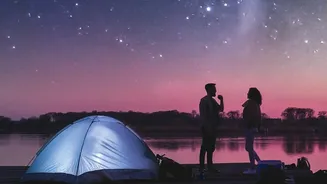
The single most important piece of advice from NASA and other astronomy experts is to get away from city lights. Light pollution from streetlights, buildings, and cars creates a skyglow that drastically reduces the number of visible meteors. For the best experience, find a location with a clear, wide view of the sky that is as far from urban centres as possible. In India, this could mean heading to the mountains, a remote beach, or designated dark-sky locations like the Hanle Dark Sky Reserve in Ladakh, parts of Spiti Valley, or the Rann of Kutch. Even a local park or a field away from direct streetlights can make a significant difference compared to your backyard.
Be Patient and Give Your Eyes Time
Another key recommendation is patience. Once you've found your dark spot, allow your eyes at least 20 to 30 minutes to fully adapt to the darkness. During this time, avoid looking at any bright screens, including your phone. Using a red-filtered flashlight can help you see your surroundings without ruining your night vision. The longer you wait in the dark, the more sensitive your eyes will become, and the more faint meteors you will be able to spot. Meteor watching is a waiting game; there can be lulls in activity followed by several streaks in quick succession.
What to Bring: Comfort Is Key
You don't need any special equipment to watch a meteor shower. In fact, telescopes and binoculars are not recommended because their narrow field of view means you'll likely miss the meteors as they zip across the sky. Your naked eyes are your best tool. Instead, focus on comfort. Since you'll be sitting still for a long time in the cool pre-dawn hours, warm clothing is essential, even in milder climates. Pack a comfortable reclining chair or a blanket to lie on, so you can look up at the sky without straining your neck. Bringing along a warm drink like tea or coffee can make the experience much more enjoyable.
Viewing from the City: A Realistic Approach
If you can't get out of the city, don't give up entirely. While you'll see far fewer meteors, you can still try to catch some of the brighter ones. Find the darkest spot you can, like a large park, a rooftop, or a balcony that is shielded from direct streetlights. The Orionids are known for producing bright, fast meteors, which gives you a better chance of spotting them even with some background light pollution. The key is to have a wide view of the sky and to block as much direct light as possible. Even seeing one or two bright meteors from Halley's Comet can be a memorable experience.