



Varanasi: The Spiritual Epicentre
Considered one of the world's oldest continually inhabited cities, Varanasi, also known as Kashi, is the spiritual heartbeat of India. Situated on the sacred banks of the River Ganga, this is a city where life and death are publicly embraced, offering
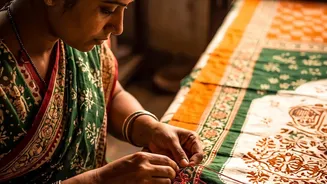
a profound, unfiltered look into ancient Hindu rituals. Visitors are captivated by the daily Ganga Aarti at Dashashwamedh Ghat, a mesmerising spectacle of fire, prayer, and music. A boat ride at dawn reveals pilgrims performing sacred rites along the nearly 100 ghats, while the labyrinthine alleys of the old city are filled with the scent of incense, the sounds of temple bells, and the vibrant colours of Banarasi silk sarees. Home to the revered Kashi Vishwanath Temple, one of the twelve Jyotirlingas dedicated to Lord Shiva, Varanasi is not just a destination but a transformative experience.
Jaipur: The Royal Pink City
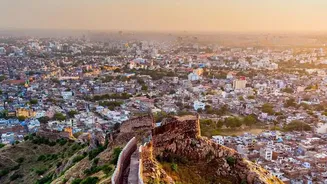
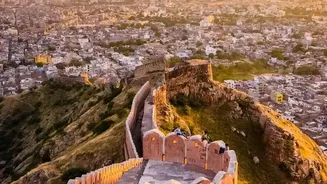
The capital of Rajasthan, Jaipur, offers a stunning chronicle of royal grandeur and meticulous urban planning. Famously known as the 'Pink City', its buildings were painted a terracotta pink in 1876 to welcome the Prince of Wales, a colour that symbolised hospitality. This UNESCO World Heritage City, founded in 1727 by Maharaja Sawai Jai Singh II, is a gateway to Rajasthan's regal past. The majestic Amber Fort stands guard on a nearby hill, while the City Palace complex continues to be the home of the royal family. The iconic Hawa Mahal, or 'Palace of Winds', with its 953 intricate windows, was designed to allow royal women to observe street festivities unseen. Jaipur seamlessly blends its historic charm with a bustling modern energy, evident in its vibrant markets known for everything from precious gemstones to traditional block-printed textiles.
Hampi: Ruins of a Mighty Empire
Spread across a surreal, boulder-strewn landscape in Karnataka, Hampi is a UNESCO World Heritage site that holds the spectacular ruins of the Vijayanagara Empire. Once the second-largest city in the world in 1500 AD, Hampi was a hub of immense wealth and power, attracting traders from as far as Persia and Portugal. Today, its more than 1,600 surviving monuments are a testament to its glorious past. The Virupaksha Temple, a place of worship since the 7th century, remains the spiritual heart of Hampi. The undisputed masterpiece, however, is the Vittala Temple complex, renowned for its iconic stone chariot and musical pillars, each carved from a single piece of granite to produce a different musical note. Exploring Hampi feels like stepping into a living museum, where myths from the Ramayana intertwine with imperial history.
Ahmedabad: A Living Heritage City
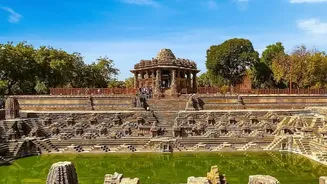
As India's first UNESCO World Heritage City, Ahmedabad presents a unique fusion of centuries-old heritage and contemporary life. Founded in the 15th century by Sultan Ahmed Shah, the city's heart is its 600-year-old walled area, a dense network of traditional residential clusters known as 'pols'. These neighbourhoods feature intricately carved wooden havelis, secret passages, and community bird feeders called 'chabutras'. The city's architectural landscape is a rich tapestry of Indo-Islamic design, seen in landmarks like the Jama Masjid and the delicate stone latticework of the Sidi Saiyyed Mosque. Beyond the monuments, Ahmedabad holds a significant place in modern history as the location of Sabarmati Ashram, from where Mahatma Gandhi led India's freedom movement for 12 years. This blend of living traditions and historical importance makes Ahmedabad an essential stop for any cultural explorer.