


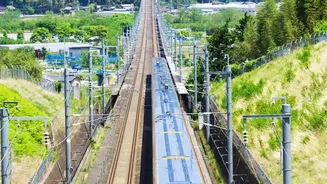

A deadly high-speed train collision in Spain has sent shockwaves through the global rail community. As India forges ahead with its ambitious bullet train project, the incident serves as a stark and timely warning about the immense responsibility involved.
Tragedy on the Tracks in Spain
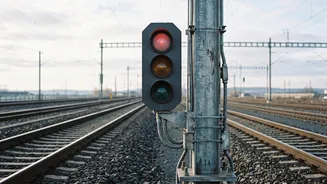
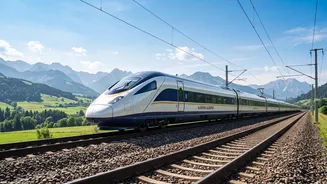
In late October 2026, a catastrophic collision occurred between two high-speed trains near Toledo, Spain, resulting in a significant loss of life. A high-speed AVE train, operated by the state-owned company Renfe, crashed into the back of a stationary train run by a private operator. Preliminary reports suggest a combination of a signaling system failure and human error in the control centre may have led to the disaster. A controller allegedly instructed the Renfe train to proceed under normal operations despite the stalled train ahead, a decision the Spanish transport minister described as 'inexplicable'. This tragedy, the second fatal train crash in Spain in 2026, has raised serious questions about the safety and oversight of one of Europe's largest high-speed networks.
India's High-Speed Dream
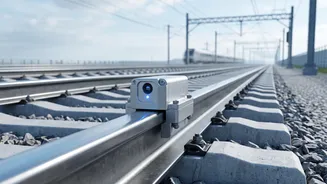
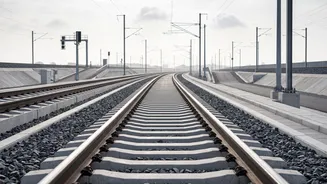
Meanwhile, India is pushing forward with its own high-speed rail dream: the Mumbai-Ahmedabad High-Speed Rail (MAHSR) corridor. This flagship project, spanning approximately 508 kilometres, will connect the two financial hubs in under two hours, operating at speeds of up to 320 kmph. Built using Japan's renowned Shinkansen technology, the corridor is not just about speed; it's about introducing a new paradigm of railway safety, reliability, and engineering to India. The project includes advanced features like J-Slab ballastless tracks, swing-nose crossings for smooth high-speed switches, and a sophisticated earthquake early-warning system. With the first section expected to open in 2027, the MAHSR is poised to transform travel and serve as a template for a nationwide network.
The Technology Question: Japan vs. Europe
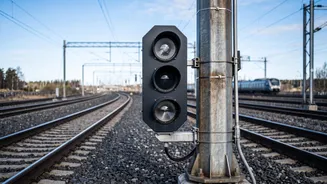
The core lesson from Spain lies in the complex interplay between technology and operations. Spain, like much of Europe, uses the European Train Control System (ETCS), a sophisticated but complex system designed to be interoperable across different countries and train operators. This 'open access' model, however, can introduce complexities that a 'closed loop' system avoids. The MAHSR project, in contrast, is adopting the Japanese Shinkansen model. This system is defined by its integrated, end-to-end approach: dedicated tracks, a single operator, and a proprietary Automatic Train Control (ATC) system. The Shinkansen's legendary safety record—zero passenger fatalities from collisions or derailments on its core network since 1964—is largely attributed to this unified control, which eliminates conflicts with slower, conventional trains.
Beyond Technology: The Human Factor
While India has chosen a robust technological base, the Spanish tragedy underscores that even the most advanced systems are vulnerable to human error. The 2013 Santiago de Compostela derailment, another major Spanish rail disaster, was caused by a driver entering a curve at more than double the speed limit, a lapse that occurred in a section where the automatic braking system was not fully implemented. The recent 2026 collision appears to point towards a critical error in the control room. These incidents are a powerful reminder that comprehensive safety involves more than just hardware. It requires rigorous training for drivers and controllers, failsafe communication protocols, and a deeply ingrained safety culture that anticipates and mitigates human fallibility. A system is only as strong as its weakest link, and often, that link is human.
Lessons for the MAHSR Corridor
For India, the path forward must be paved with caution and a commitment to learning from the mistakes of others. Adopting the Shinkansen model is a significant step towards ensuring systemic safety. However, the true test will be in its implementation. This means ensuring there are no gaps in the automatic train protection coverage, unlike the flaw that contributed to the 2013 Spanish crash. It means developing and enforcing strict, non-negotiable operating procedures for every scenario, especially for system failures or emergencies. Furthermore, it requires creating a culture of 'safety first' that empowers every person in the operational chain, from the track worker to the chief controller, to prioritize safety above all else. The goal is not just to build a fast train, but a resilient and trustworthy transportation lifeline.