



From Sterile to Serene
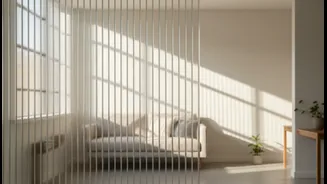
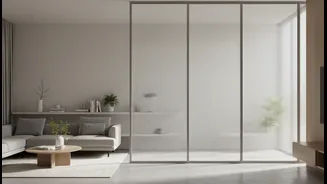
Minimalism's roots in 20th-century movements like Bauhaus prioritized function and simplicity, often resulting in spaces that felt sterile and impersonal. The popular vision of minimalism in the last decade involved cool grey and white palettes, high-shine
metals, and a strict absence of anything deemed 'clutter'. While the goal was a clean, uncluttered look, the result for many was a home that felt unwelcoming. The core idea of intentionality remains, but the aesthetic is shifting away from rigid rules and towards creating peaceful sanctuaries that are also full of character. The new minimalism isn't about deprivation; it's about creating a backdrop for a well-lived life.
The Softer Side of Simple
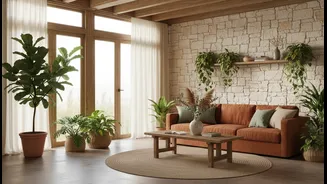
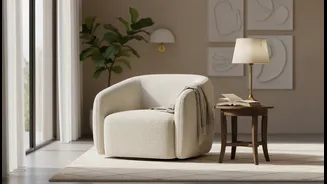
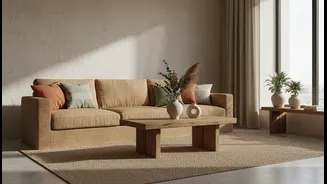
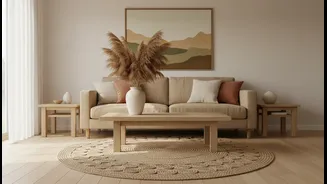
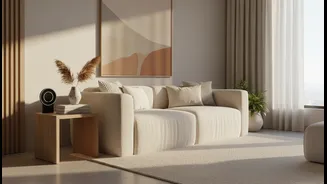
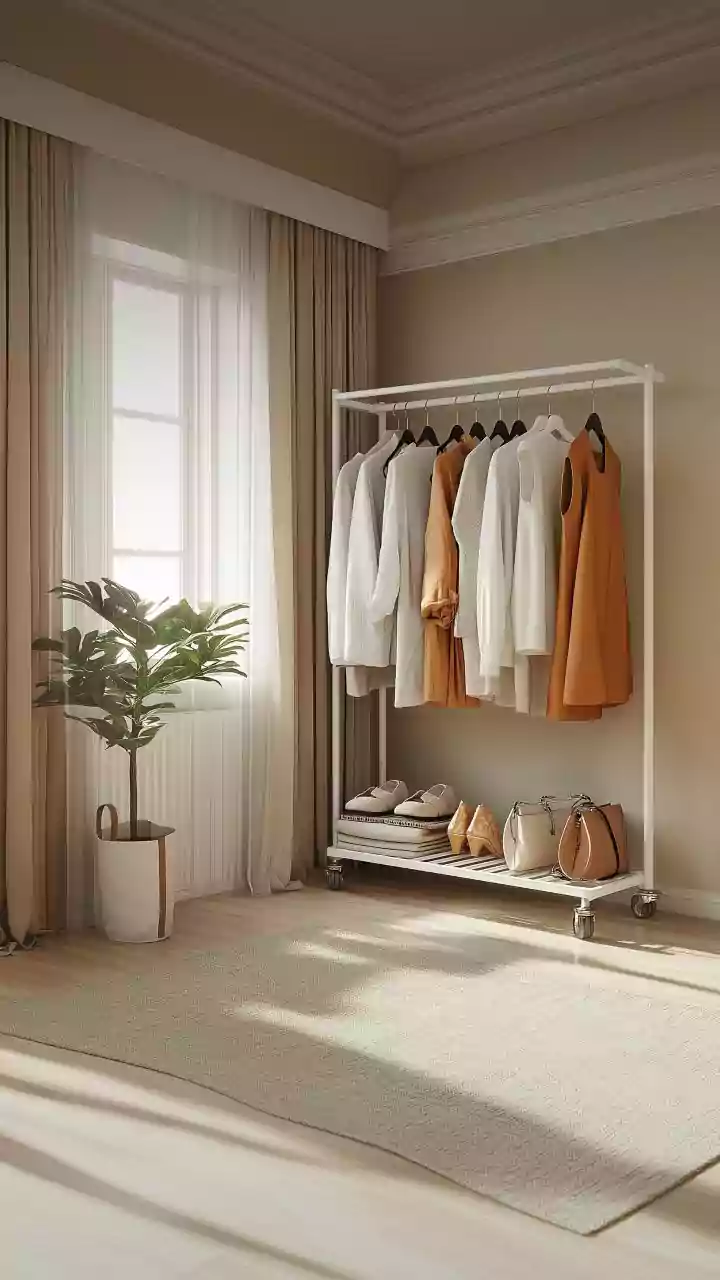
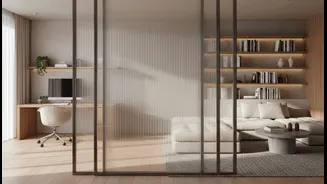
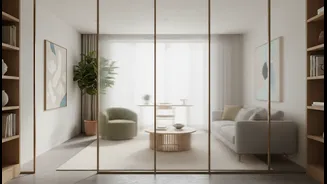
The most significant evolution is the move toward warmth, a trend often called 'soft' or 'warm' minimalism. This is achieved by swapping stark whites for a palette of creamy off-whites, sand, taupe, and other earthy tones that feel more inviting. Texture has become a primary tool for adding depth without adding 'stuff'. Materials like linen, wool, bouclé, and reclaimed wood are now central to the minimalist home, bringing tactile richness that prevents spaces from feeling flat. Furniture is also softening, with a move away from severe geometric shapes toward pieces with organic curves and rounded corners that feel more fluid and comforting.
Smarter, Not Just Sleeker
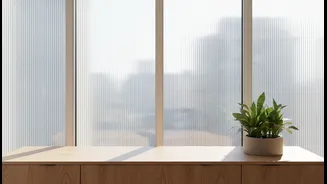
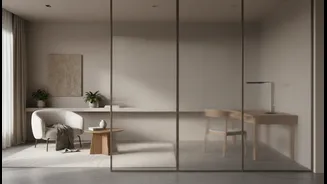
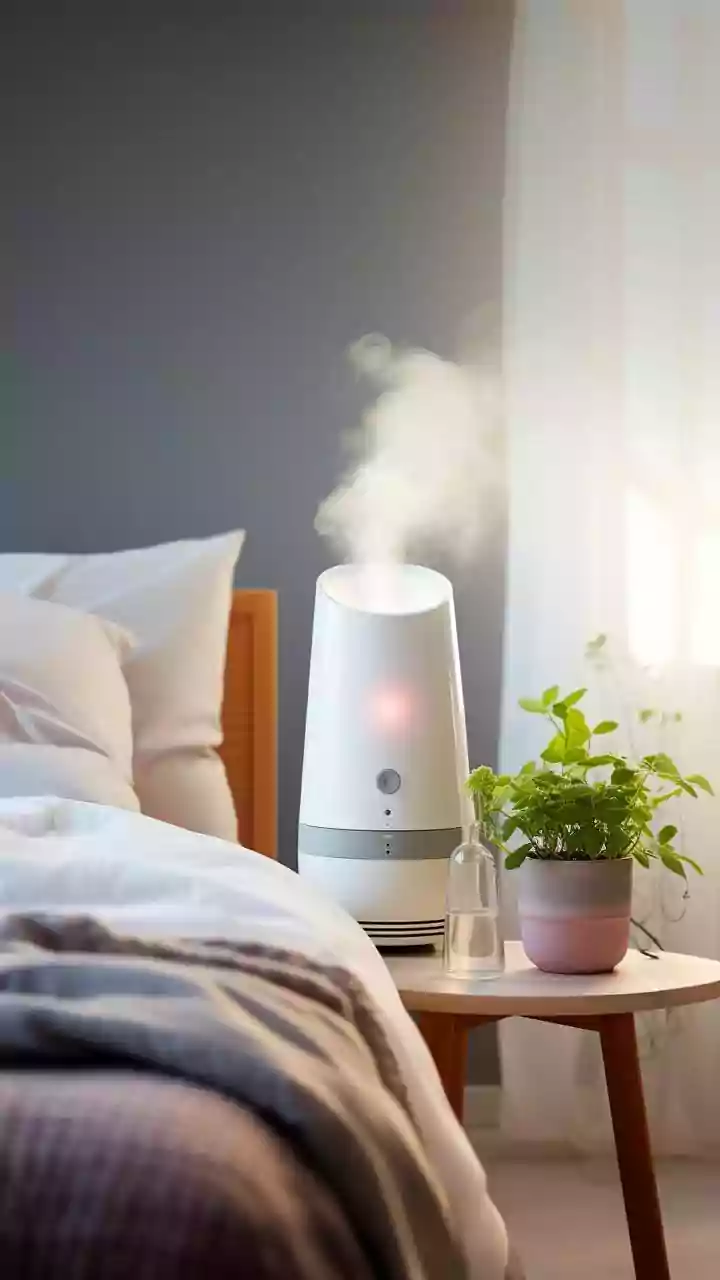
The 'smarter' home is a key part of minimalism's future, but not in a flashy, tech-heavy way. The goal is to integrate technology so seamlessly that it enhances life without creating visual clutter. This means embedding technology into the architecture itself: think speakers plastered into walls, recessed lighting strips that wash a room in ambient light, and smart thermostats that are flush with the wall. Home automation systems can control lighting, climate, and security with discreet voice commands or motion sensors, eliminating the need for bulky controls. Even furniture is becoming smarter, with features like wireless charging pads embedded invisibly beneath wood surfaces. This approach ensures the home is highly functional and responsive to its inhabitants' needs, all while maintaining a serene and uncluttered aesthetic.
Embracing the 'Lived-In' Look
Perhaps the biggest departure from old-school minimalism is the acceptance of a 'lived-in' feel. This doesn't mean a return to clutter, but rather a move toward a curated, personal style. Instead of hiding everything away, the new minimalism encourages the display of meaningful objects: personal photos, treasured books, handmade ceramics, or souvenirs from travels. The key is intentionality. Every item on display should have a purpose or hold personal significance, earning its place in the home. This approach creates a space that reflects the owner's personality and history, telling a story rather than presenting a blank canvas. It acknowledges that a home is for living, and a life well-lived will inevitably leave beautiful traces.