





Decoding September's Weather
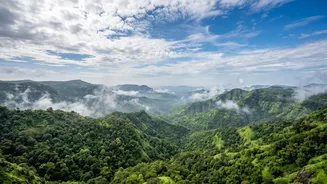
September in India is a transitional month. The heavy monsoon rains begin to recede across much of the country, leaving behind lush, green landscapes and refreshed water bodies. For travelers, this often means fewer crowds and lower prices, as it's considered
a 'shoulder season' before the peak tourist rush. Destinations in North India, like Rajasthan and Delhi, start to dry up, offering good visibility and pleasant weather for sightseeing. Meanwhile, places like Kerala and Goa are still seeing the tail-end of the rains, which means vibrant scenery but a chance of wet days. High-altitude regions like Ladakh and Spiti Valley are often at their best, with clear skies and accessible roads after the summer rush.
It’s All About Your Itinerary
The importance of weather is directly tied to your travel style. If your dream trip involves sunbathing on a Goan beach every day, a forecast of persistent rain is a serious problem. However, if you're planning a city-based trip focused on museums, cafes, and indoor markets, a downpour is merely an inconvenience, not a deal-breaker. For a solo traveler, this is where flexibility becomes a superpower. Unburdened by the needs of a group, you can easily pivot. A rainy day planned for outdoor exploration can become a cozy afternoon spent in a local cafe, a visit to a gallery, or even a last-minute wellness session like a spa treatment. The key is to have a list of indoor backup activities for your chosen destination.
The Practical Pre-Trip Checklist
Instead of worrying, prepare. First, purchase comprehensive travel insurance as soon as you book. Many policies cover trip cancellations and delays due to severe weather, but only if you buy the policy before a storm is officially named. Look for plans that reimburse non-refundable expenses like flights and hotels. Secondly, wherever possible, opt for flexible bookings. Many airlines offer waivers to change your dates when a major storm is approaching. Hotels with generous cancellation policies give you the freedom to make last-minute changes. Finally, pack smart. A lightweight rain jacket, waterproof or quick-drying shoes, and a dry bag for your electronics are essential for any September trip. Being prepared for rain means it won't ruin your day when it inevitably arrives.
Embrace the Unexpected Perks
So-called 'bad' weather can actually enhance a solo travel experience. Fewer tourists mean shorter queues at popular attractions and a more relaxed atmosphere. You get to see places like the Taj Mahal without the usual throngs of people. A rainy day forces you to slow down, encouraging more mindful and immersive experiences. It might lead you to discover a hidden bookshop or strike up a conversation with a local at a tea stall while waiting for the rain to pass. These unscripted moments often become the most cherished memories of a trip. Shoulder season travel allows for a more authentic connection with a place, free from the pressures of a peak-season itinerary.
When to Actually Cancel Your Trip
While flexibility is key, some situations warrant a cancellation or postponement. If meteorological departments issue a severe weather warning, such as for a cyclone or major flooding at your destination, it is wise to change your plans. In such cases, your safety is the priority. Airlines and hotels are more likely to offer refunds or free rescheduling when there are official advisories or unavoidable circumstances. Keep an eye on local news and official weather reports in the days leading up to your departure. If infrastructure is likely to be shut down or travel becomes dangerous, cancelling is the responsible choice.