


An Introduction to Kalonji
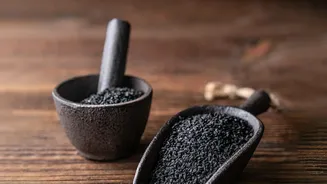
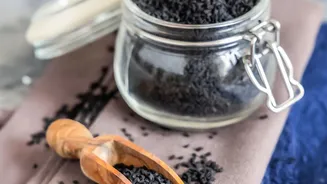
Known interchangeably as nigella seeds, kalonji is a staple in many Indian, Middle Eastern, and North African kitchens. Despite sometimes being called 'black onion seed', they have no relation to the onion family. The name likely comes from the faint,
onion-like scent they release when toasted. It's also important not to confuse them with black sesame seeds, which are nutty and mild, or black cumin, which has a different flavour profile entirely. Kalonji comes from the Nigella sativa plant and offers a unique flavour that is sharp, slightly bitter, and peppery, with notes of oregano. This complexity is precisely what makes it such a powerful ingredient in both cooking and baking.
Unlocking the Aromatic Potential
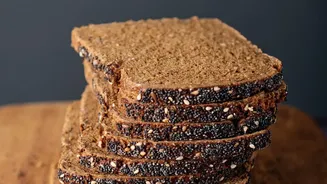
The true magic of kalonji is unlocked with heat. Raw seeds have a noticeable bitterness, but toasting them transforms their character completely. Whether you incorporate them directly into the dough or sprinkle them on top before baking, the heat of the oven awakens their essential oils. This process mellows the bitterness and releases a warm, nutty, and almost sweet aroma with a peppery, onion-like background. For an even more profound flavour, you can dry-roast the seeds in a pan for about 30-45 seconds before using them. This simple step ensures every bite of your bread carries the seed's full, aromatic potential.
Mastering the Signature Crunch
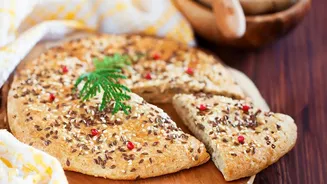
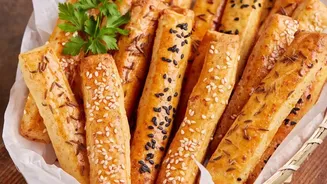
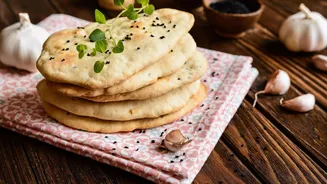
Beyond its unique flavour, kalonji provides a delightful textural contrast. The seeds add a delicate, crisp crunch that enhances the experience of eating freshly baked bread. There are two primary ways to achieve this. The most common method, often seen on flatbreads like naan and kulcha, is to scatter the seeds over the surface of the dough just before it goes into the oven. This creates a toasted, crunchy crust. Alternatively, you can knead the seeds directly into the dough itself. This method distributes the crunch and flavour more evenly throughout the entire loaf, ensuring a subtle pop of texture in every single bite.
How to Use Kalonji in Your Breads
Integrating kalonji into your baking is straightforward. It pairs exceptionally well with savoury breads, from simple yeast loaves and dinner rolls to flatbreads like pitta and paratha. A good starting point is to add about one to two teaspoons of seeds for a standard loaf of bread. Because the flavour is quite potent, a little goes a long way, and you can adjust the amount based on your preference. For toppings, simply brush your dough with milk or water and sprinkle the seeds on before baking; this helps them adhere. When mixing them into the dough, add them along with your other dry ingredients like flour and salt for even distribution.
More Than Just a Baking Spice
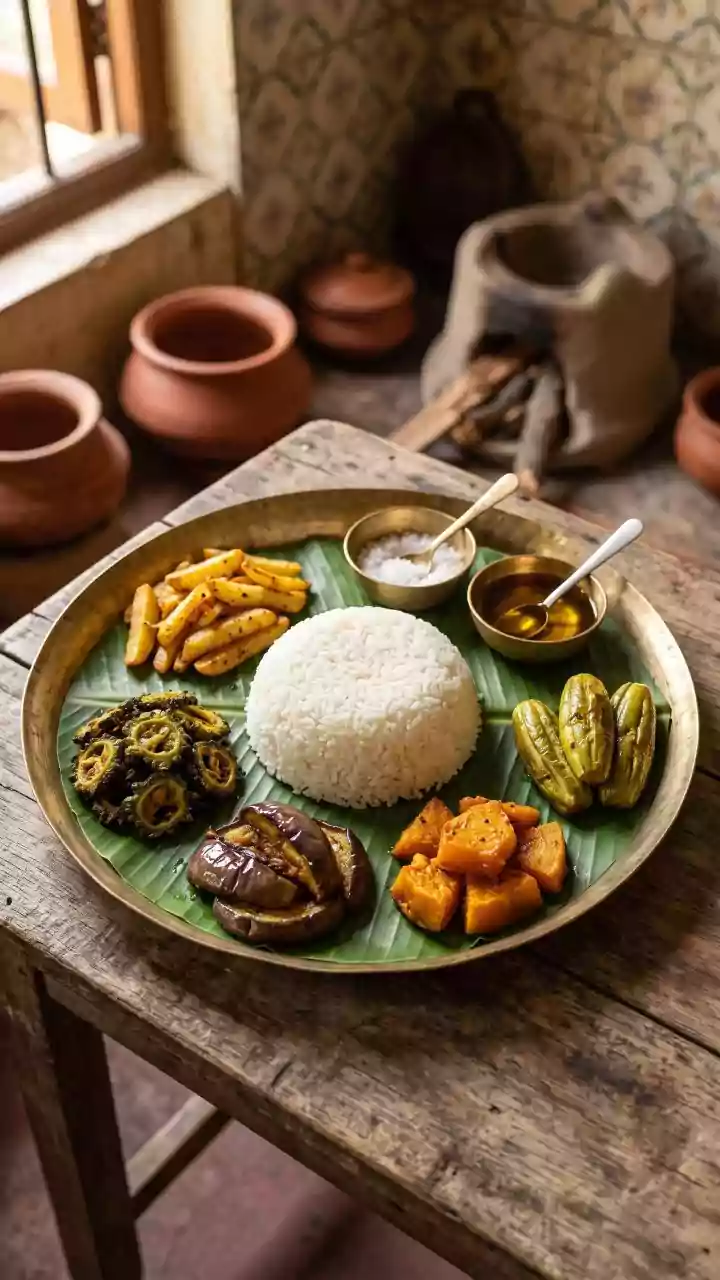
While kalonji is a fantastic addition to bread, its use extends far beyond the baker's oven. It's a key component in the Bengali five-spice blend, panch phoron, and is widely used in making pickles and chutneys, where its bitterness beautifully balances sour and oily flavours. The seeds are also used for tempering (tadka), sizzled in hot oil to infuse dishes like dal and vegetable curries with their distinct aroma. Historically, these seeds have been valued for millennia, with evidence of their use found in ancient sites like Tutankhamun's tomb. They also hold a place in traditional wellness systems like Ayurveda for their perceived benefits.