








A Modern Twist on Tradition
Indian desserts are the heart of our celebrations, but many classics rely heavily on milk, cream, or khoya. For those who are lactose intolerant, vegan, or simply looking to reduce their dairy intake, this can mean missing out. But what if you could have
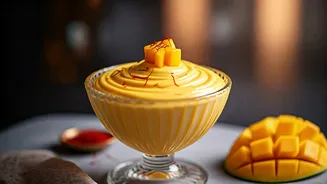
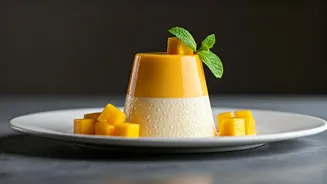
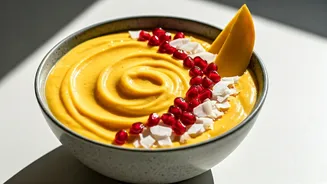
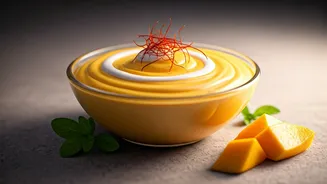
all the creaminess and richness without the dairy? Enter the Mango Saffron Coconut Milk Dessert. This recipe honours the timeless combination of sweet, fragrant mangoes and luxurious saffron—flavours deeply embedded in our culinary heritage—while embracing a plant-based approach. It’s proof that modern dietary choices don’t require sacrificing the tastes we love; they just invite us to innovate.
Why Coconut Milk is the Star
The secret to this dessert's incredible texture is full-fat coconut milk. Unlike thinner plant milks, it has a high fat content that mimics the richness of dairy cream, creating a velvety smooth mouthfeel. Its natural, subtle sweetness complements the mango perfectly without overpowering it. Coconut milk is also a fantastic carrier for delicate aromas like saffron, allowing the spice’s floral notes to shine through. For many, it's also easier to digest than dairy. By swapping cow's milk for coconut milk, you create a dessert that is not only delicious but also inclusive, catering to various dietary needs without feeling like a compromise.
The Recipe: Mango Saffron Delight
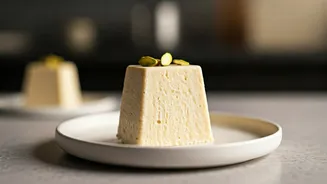
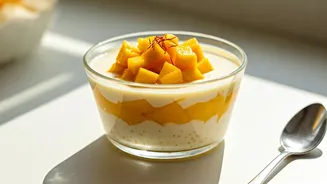
This recipe creates a firm, spoonable dessert similar to a panna cotta or a set phirni. It’s simple, elegant, and requires no special equipment. **Ingredients:** - 400ml can of full-fat coconut milk - 1 cup ripe mango puree (from about 2 sweet Alphonso or Kesar mangoes) - 1/4 to 1/3 cup sugar, or to taste (depending on mango sweetness) - A generous pinch of high-quality saffron strands (about 15-20 strands) - 2 tablespoons warm water - 1.5 teaspoons agar-agar powder - 1/4 teaspoon cardamom powder (elaichi) - Chopped pistachios and rose petals for garnish **Method:** 1. **Infuse the Saffron:** In a small bowl, soak the saffron strands in 2 tablespoons of warm water for about 15 minutes. This will 'bloom' the saffron, releasing its vibrant colour and aroma. 2. **Combine Ingredients:** In a saucepan, whisk together the coconut milk, mango puree, and sugar over medium-low heat. Stir until the sugar is completely dissolved. Do not let it boil. 3. **Activate the Agar-Agar:** Add the agar-agar powder to the mixture and whisk continuously for 2-3 minutes to ensure it dissolves fully and activates. This step is crucial for the dessert to set properly. The mixture should thicken slightly. 4. **Add Flavours:** Turn off the heat. Stir in the saffron water and cardamom powder. Mix well to combine everything evenly. 5. **Set the Dessert:** Pour the mixture into four small bowls, ramekins, or traditional earthen kulhads. Let it cool to room temperature for about 20 minutes before transferring to the refrigerator. 6. **Chill:** Let the dessert chill and set in the fridge for at least 3-4 hours, or until completely firm.
Tips for Perfect Results
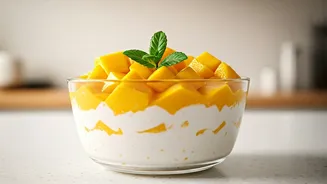
For the best flavour, use the sweetest, most fragrant mangoes you can find, like Alphonso or Kesar. If mangoes are not in season, high-quality canned mango puree is an excellent substitute. When working with agar-agar, remember that it sets very quickly as it cools, so have your moulds ready before you start. Feel free to adjust the sugar based on your mango's natural sweetness—taste the mixture before adding the agar-agar. To serve, garnish generously with slivered pistachios for a lovely crunch, a few extra strands of saffron, or some delicate dried rose petals for a beautiful presentation. You can even top it with a small spoonful of fresh mango chunks for extra texture and flavour.