


The Philosophy of ‘Andaz’
In many Indian kitchens, the most important ingredient isn’t a rare spice but a concept called ‘andaz’. Translating loosely to ‘estimation’ or ‘personal style’, andaz is the intuition that guides a cook’s hand. It’s the freedom to add a little more ginger,
swap one vegetable for another, or adjust the spices based on who is at the table. This philosophy is born from a culture of resourcefulness, where recipes are not strict formulas but adaptable frameworks. Cooking is learned through observation and practice, leading to a deep understanding of how flavours work together. It’s why the same dish can taste wonderfully different from one household to the next, reflecting a cook's unique touch and the ingredients available that day. This approach transforms cooking from a task of mere execution into an act of personal expression.
Dal: The Ultimate Canvas
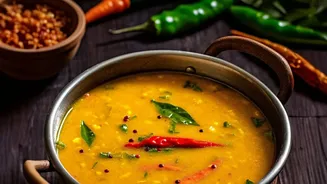
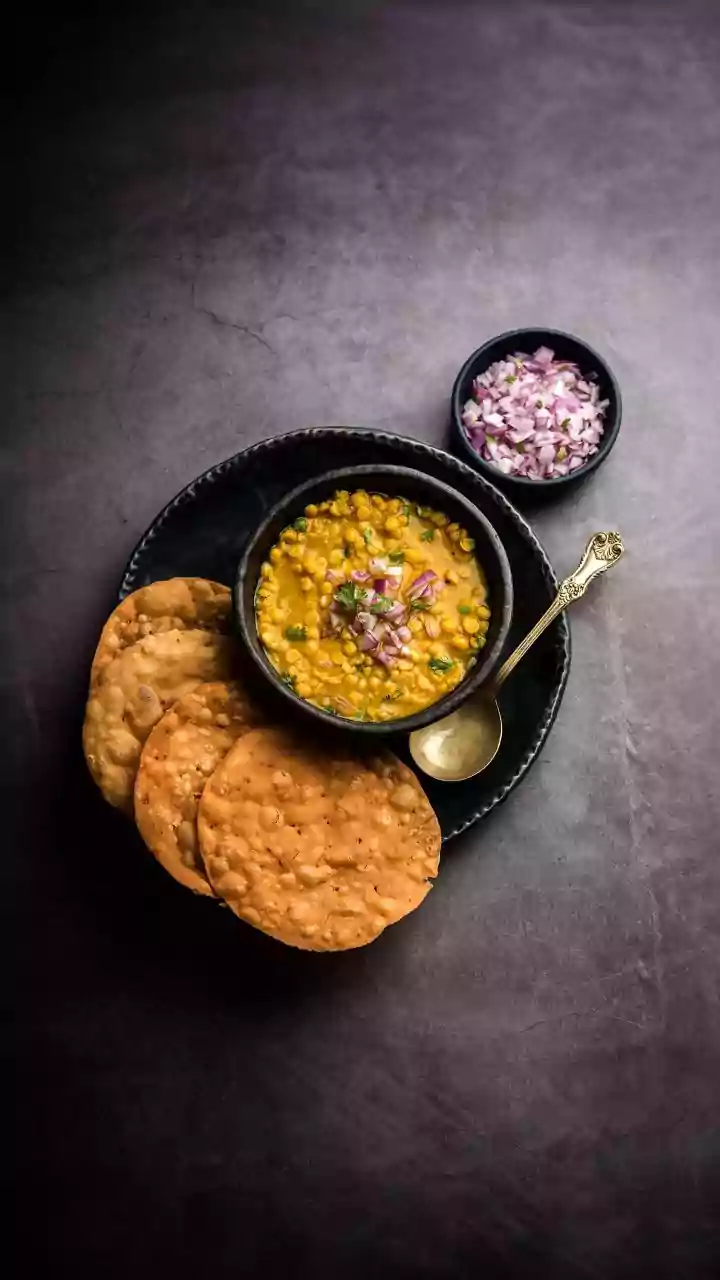
Perhaps no dish better illustrates this flexibility than dal. At its simplest, dal is a soup or stew made from split pulses. Yet, this description barely scratches the surface of its diversity. India cultivates dozens of varieties of pulses, from the quick-cooking masoor dal (red lentils) to the firm and earthy chana dal (split chickpeas). The choice of dal itself changes the entire dish. From there, the variations are nearly infinite. A simple tadka (tempering) of cumin seeds and asafoetida in ghee might be used for a light, everyday meal in Bihar, while a rich Punjabi dal makhani is slow-cooked for hours with cream, butter, and kidney beans. Go further east to Bengal, and the cholar dal might be sweetened with a touch of sugar or coconut. The consistency, the souring agent (lemon, tamarind, or kokum), and the final garnishes all change, painting a different picture on the same lentil canvas.
Khichdi: Comfort in Variation
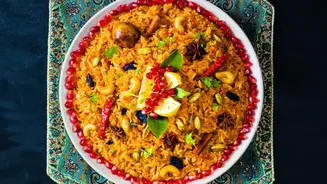
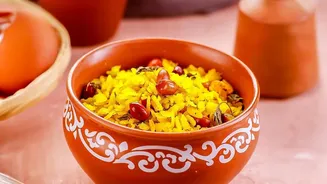
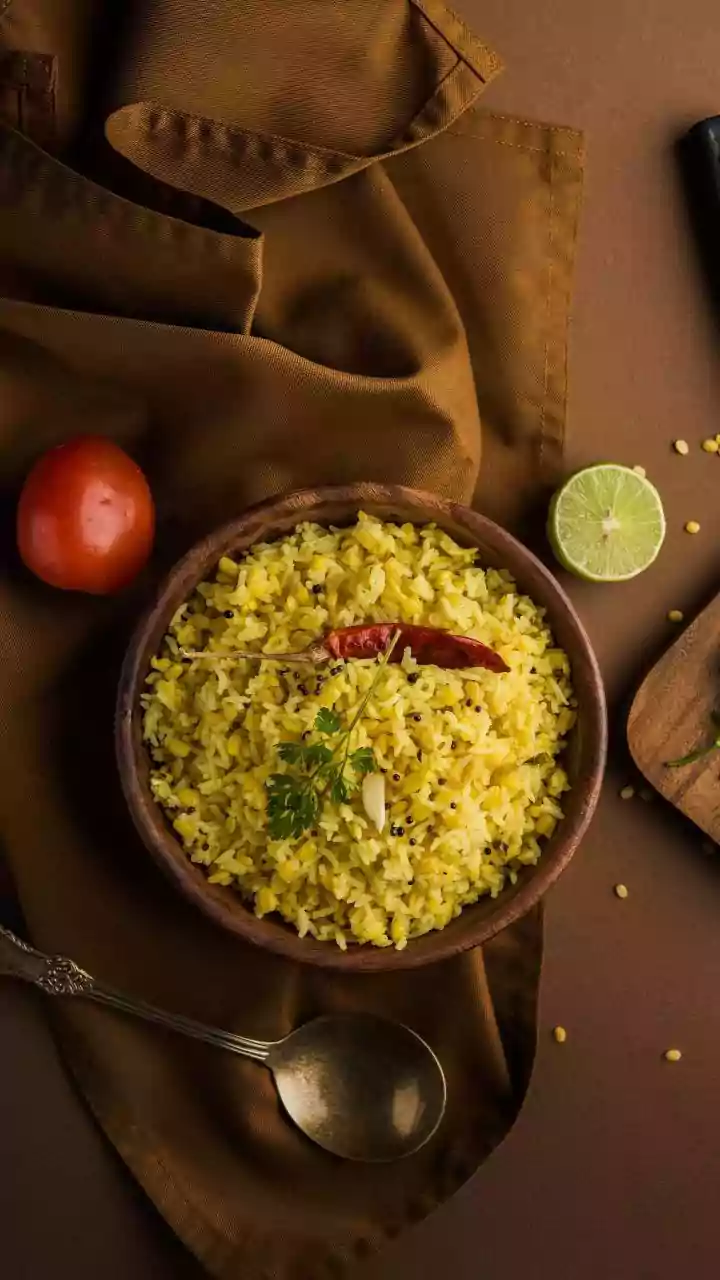
Khichdi, a humble one-pot meal of rice and lentils, is the embodiment of comfort and adaptability. While known as a restorative food for when one is unwell, its variations across India are vast and flavourful. In Gujarat, it is often a simple, porridge-like dish served with a tangy yogurt-based soup called kadhi. Head to Rajasthan, and you’ll find khichdi made not with rice, but with bajra (millet), reflecting the arid region's local grains. In the south, Karnataka’s Bisi Bele Bath is a complex and spicy version loaded with vegetables and a special spice blend, while Tamil Nadu's Pongal is a creamy, savoury version often prepared during harvest festivals. Some versions are non-vegetarian, like the Keema Khichdi of Andhra Pradesh, which resembles a biryani. Each version of khichdi tells a story about its region's agriculture, climate, and culinary preferences.
Sabzi: The Rule of the Season
The term ‘sabzi’ simply means vegetables, but in a culinary context, it refers to a universe of vegetable dishes that form the backbone of daily Indian meals. The beauty of a sabzi lies in its embrace of seasonality. A base of sautéed onion, ginger, garlic, and tomatoes, along with a foundational blend of ground spices like turmeric, coriander, and chili powder, can be applied to almost any vegetable. In summer, you might find bottle gourd (lauki) or okra in the pot; in winter, cauliflower and peas. This flexibility allows cooks to use whatever is fresh, affordable, and at its peak flavour. A home cook doesn’t need a specific recipe for potato-and-pea curry versus a cauliflower curry; they understand the base and simply adapt it to the main ingredient, showcasing a sustainable and intuitive approach to cooking that follows the rhythm of the seasons.