





The Mobile-First Mindset
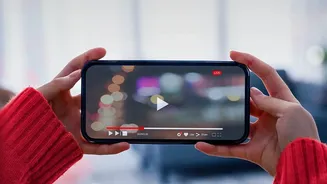
For Generation Z, born between the mid-1990s and early 2010s, entertainment is not an appointment with a TV schedule. It’s a constant, fluid stream of content accessible anytime, anywhere. In India, this shift is powered by affordable data and ubiquitous
smartphones. This generation is mobile-first, and entertainment has adapted to fit their pockets and their lives. The screen is no longer a large box in the living room; it's a personal, portable window to endless worlds, from short-form video on Instagram Reels to entire movie catalogues on streaming services. Research shows that while social media is a major component, over half of Gen Z's digital time is spent on the 'open internet'—a mix of OTT platforms, music streaming, podcasts, and blogs where they actively explore their interests.
It's Not Passive, It's a Playground
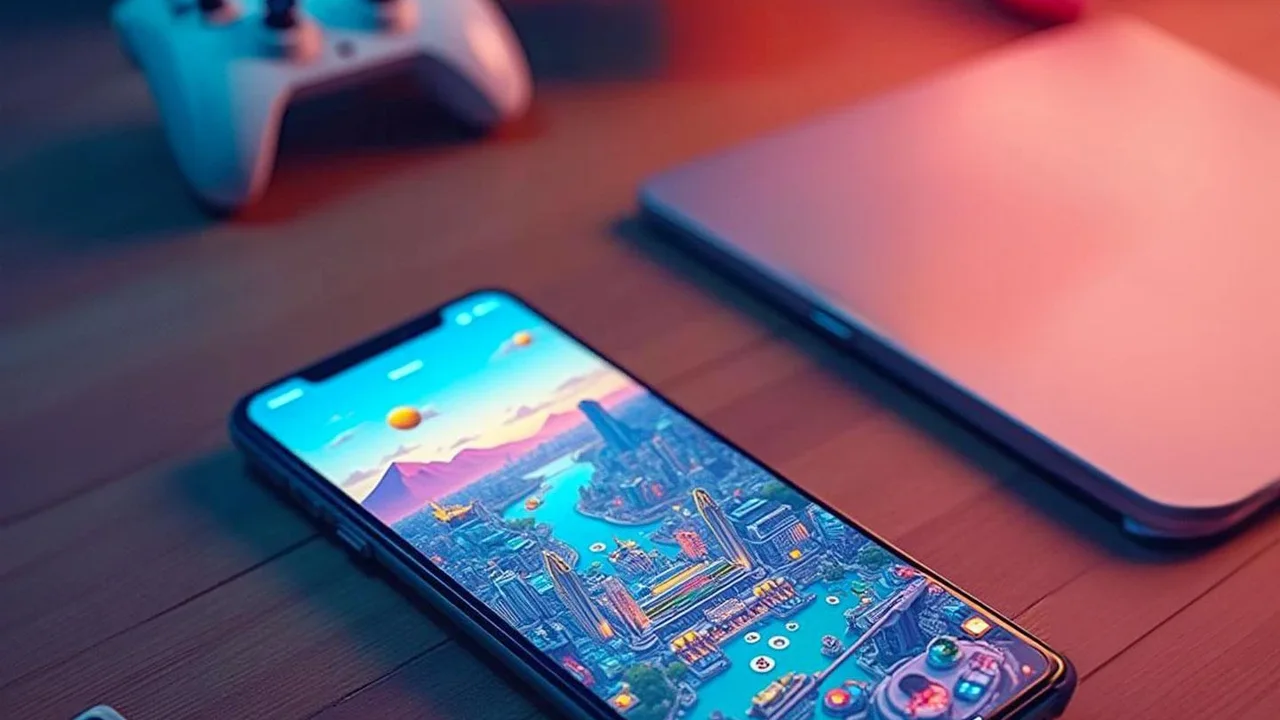
Traditional media was a one-way street; you watch, you listen. Digital entertainment is a two-way conversation. The biggest driver of this is the meteoric rise of mobile gaming. India is now the world’s largest market for mobile game downloads, and for Gen Z, these are more than just games—they are social hubs. A staggering 74% of Gen Z gamers in India spend upwards of six hours per week playing. They aren't just consuming a story; they are living inside it, competing with friends, customising their avatars, and building communities. This desire for interaction extends beyond gaming to live streams, comment sections, and fan forums, where being part of the action is the main draw.
The Pull of the Creator Economy
Perhaps the most profound shift is that Gen Z doesn’t just consume content; they create it. A recent report revealed that an astonishing 83% of Indian Gen Zers identify as content creators. Platforms like YouTube, Instagram, and ShareChat have democratised fame and influence. For many, especially in Tier-2 and Tier-3 cities, content creation is no longer a hobby but a viable career path offering financial independence. This generation trusts recommendations from creators they follow far more than traditional advertising. When the people making the content are your peers, the line between the audience and the stage dissolves, creating a deeply engaging and relatable entertainment ecosystem.
Finding a Tribe in Niche Content
While traditional media aimed for the broadest possible audience, digital platforms thrive on specificity. Gen Z uses the internet to find their tribe, connecting with others who share their unique passions, whether it's a specific K-pop group, a gaming community, or a sub-genre of regional comedy. The preference for content in local languages is a huge part of this, with over 60% of YouTube watch time in India coming from regional language videos. This allows for a deeper, more authentic connection than generic, one-size-fits-all programming ever could. Digital spaces offer a sense of belonging built around shared interests, not just shared geography.
The Simple Economics of Choice
Ultimately, the shift is also a practical one. The cost of traditional cable TV in India has been rising, often bundled with inflexible contracts and rental fees. In contrast, the world of digital entertainment offers unparalleled flexibility. A combination of a few streaming subscriptions and a mobile data plan can often provide a wider, more personalised library of content for a comparable or even lower price. With many platforms offering ad-supported free tiers and mobile-only plans, the barrier to entry is significantly lower. For a generation that values autonomy, the ability to pick, choose, and cancel services on a monthly basis is a powerful economic incentive.