






Why Humidity Changes Everything
The monsoon's defining feature is high humidity, which significantly alters how your skin behaves. When there's excess moisture in the air, your skin's sebaceous glands can go into overdrive, producing more oil. [10] This extra sebum, combined with sweat
and environmental pollutants, creates a perfect breeding ground for bacteria, leading to clogged pores, blackheads, and acne breakouts. [10, 12, 17] Furthermore, constant dampness can disrupt your skin's natural barrier, making it more susceptible to fungal infections and sensitivity. [5, 21] This is why a heavy-handed approach won't work; your skin needs balance and gentle support to navigate the season.
Cleanse Gently, But Thoroughly
While it may be tempting to wash your face multiple times a day to combat the sticky feeling, overwashing can strip your skin of its natural oils, ironically causing it to produce even more oil to compensate. [4, 10] The solution is to cleanse twice daily with a mild, pH-balanced cleanser. [25] Look for gentle, gel-based or foaming cleansers, especially if you have oily skin. [27] Ingredients like salicylic acid can be beneficial for keeping pores clear, but ensure the concentration is low (around 1-2%) to avoid irritation. [13] For a deeper clean at night, consider double cleansing: start with micellar water or a light cleansing oil to dissolve makeup and sunscreen, then follow up with your gentle face wash. [11]
Rethink Your Exfoliation Habits
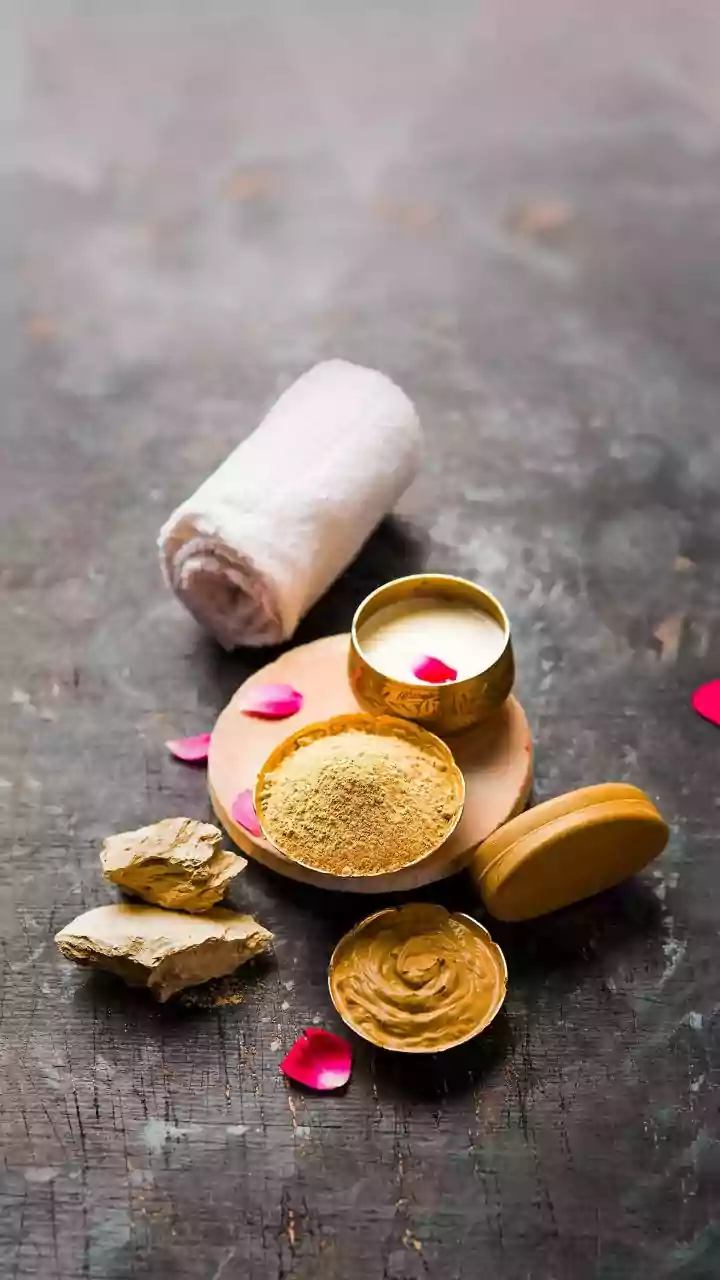
Exfoliation is key to removing the buildup of dead skin cells that can make your complexion look dull, but a softer approach is crucial during the monsoon. [1] Harsh physical scrubs can cause micro-tears and irritate skin that is already sensitised by the humid conditions. [23] Instead, opt for gentle chemical exfoliants containing Alpha Hydroxy Acids (AHAs) like lactic acid or Beta Hydroxy Acids (BHAs) like salicylic acid. [1] Limiting exfoliation to once or twice a week is sufficient to keep pores clean and improve skin texture without compromising your skin barrier. [2, 25] A weekly clay mask with ingredients like kaolin or bentonite can also work wonders to absorb excess oil and detoxify pores. [4]
Lighten Up Your Moisturiser
It’s a common myth that oily or acne-prone skin doesn't need moisturiser in humid weather. In reality, skipping this step can lead to dehydration, prompting your skin to produce even more oil. [13] The secret is to switch from heavy, oil-based creams to lightweight, non-comedogenic formulas. [29] Gel-based or water-based moisturisers are your best friends during the rainy season. [26] Look for products containing humectants like hyaluronic acid and glycerin, which draw moisture into the skin without feeling greasy or clogging pores. [1, 23, 25] These formulations provide the necessary hydration to keep your skin balanced and supple.
Never Skip Sunscreen, Even When It's Cloudy
Don't let the cloud cover fool you; up to 80% of the sun's harmful UV rays can penetrate through clouds and cause significant skin damage. [3, 15, 19] Sun exposure can worsen acne scars and accelerate premature aging, making sunscreen a non-negotiable step in your daily routine, rain or shine. [8, 19] For monsoon season, choose a broad-spectrum sunscreen with an SPF of 30 or higher. [23] To avoid a greasy finish, opt for a lightweight gel-based or matte-finish formula that won’t feel heavy or clog your pores. [4, 6, 17] Remember to reapply every 2-3 hours if you're outdoors, as sweat and rain can wash it off. [4]
Target Concerns with Smart Serums
The monsoon is an excellent time to incorporate targeted serums into your routine. Because you're using a lighter moisturiser, a serum can deliver potent ingredients directly to the skin. Niacinamide is a standout ingredient for humid weather, as it helps regulate oil production, minimise the appearance of pores, and strengthen the skin barrier. [13, 18] Vitamin C serums can help combat the dullness that often comes with the season and protect against environmental damage. [6, 18] If you're dealing with breakouts, a serum with salicylic acid or tea tree oil can provide targeted treatment. [27]