




The New Remote Work Dream
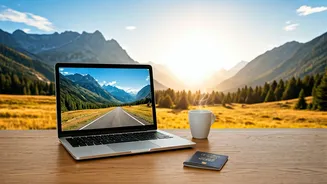
The rise of remote work has untethered millions from their office desks, but it has also created a new set of challenges: isolation, blurred lines between work and home, and the search for a decent internet connection. Enter the co-living and co-working
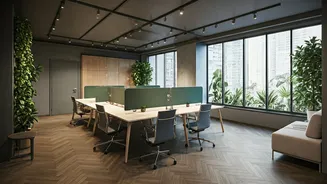
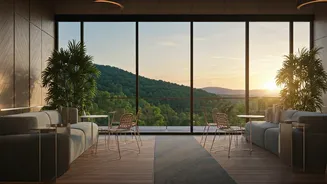
hub, a model that combines affordable housing, professional workspaces, and a built-in community under one roof—or at least within one managed ecosystem. This isn't just a shared apartment with a fast Wi-Fi password. It’s an intentional community designed for freelancers, remote employees, and entrepreneurs who want the freedom of a nomadic lifestyle without sacrificing structure and social connection. Residents typically get a private bedroom and share common areas like kitchens, lounges, and, most importantly, a dedicated office space with desks, meeting rooms, and high-speed internet.
Why the Georgia Mountains?
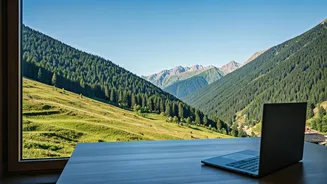
When you think of mountain living, your mind might jump to the high-cost hubs of Colorado or the Pacific Northwest. But Georgia is emerging as a compelling and far more affordable alternative. The North Georgia mountains offer stunning landscapes—from the rolling foothills of the Blue Ridge to the dramatic drop of Amicalola Falls—without the prohibitive price tag. Towns like Dahlonega, Blue Ridge, and Ellijay provide a genuine sense of escape while remaining within a two-hour drive of Atlanta’s Hartsfield-Jackson International Airport, a crucial link for occasional corporate meetings or international travel. The region boasts a lower cost of living, a burgeoning scene of wineries and craft breweries, and an extensive network of hiking trails, including the southern terminus of the Appalachian Trail. It’s a four-season destination that offers a peaceful backdrop for focused work and weekend adventures.
The All-Inclusive Proposition
One of the biggest draws of these hubs is the simplicity. The monthly fee often bundles rent, all utilities (water, electricity, gas), blazing-fast Wi-Fi, and access to the co-working facilities. Many also include regular cleaning services for common areas and even small perks like free coffee. This all-in-one bill eliminates the hassle of setting up multiple accounts, dealing with landlords, and furnishing an apartment from scratch. For someone relocating to a new area, the convenience is a massive benefit. However, it's crucial to read the fine print. 'All-inclusive' rarely covers food, transportation (a car is almost always essential in these rural areas), or personal expenses. While the model simplifies your monthly bills, it doesn’t eliminate them.
Breaking Down the Cost
So, is it actually cheap? That depends on your perspective. A room in a Georgia mountain co-living space might range from $900 to $1,500 per month. While that’s more than you’d pay to share a random rental house in the same area, it's often significantly less than the cost of a one-bedroom apartment plus a separate co-working membership in a major city like Atlanta or Bengaluru. The true value lies in the combination of amenities. If you were to rent a solo apartment, pay for utilities and high-speed internet, and then lease a desk at a co-working space, the total could easily exceed the co-living fee. You're paying a premium for convenience and community, which can be a worthwhile investment for those looking to build a social and professional network from day one.
How to Find Your Hub
This trend is still in its early stages in Georgia, so finding these hubs requires some digging. Unlike major cities with dozens of options, mountain communities may have only one or two dedicated spaces, or you may need to assemble the lifestyle yourself. Start your search with keywords like 'co-living North Georgia,' 'digital nomad housing Blue Ridge,' or 'Dahlonega co-working.' Some innovative entrepreneurs are converting large homes or old inns into these specific communities. Another strategy is the 'DIY' approach. You can rent a room or small cabin in a mountain town and then purchase a membership at a local co-working space, if available. This offers more privacy but requires more effort to build community. Before committing, always ask for a virtual or in-person tour, speak to current residents about their experience, and clarify exactly what is included in your fee.