
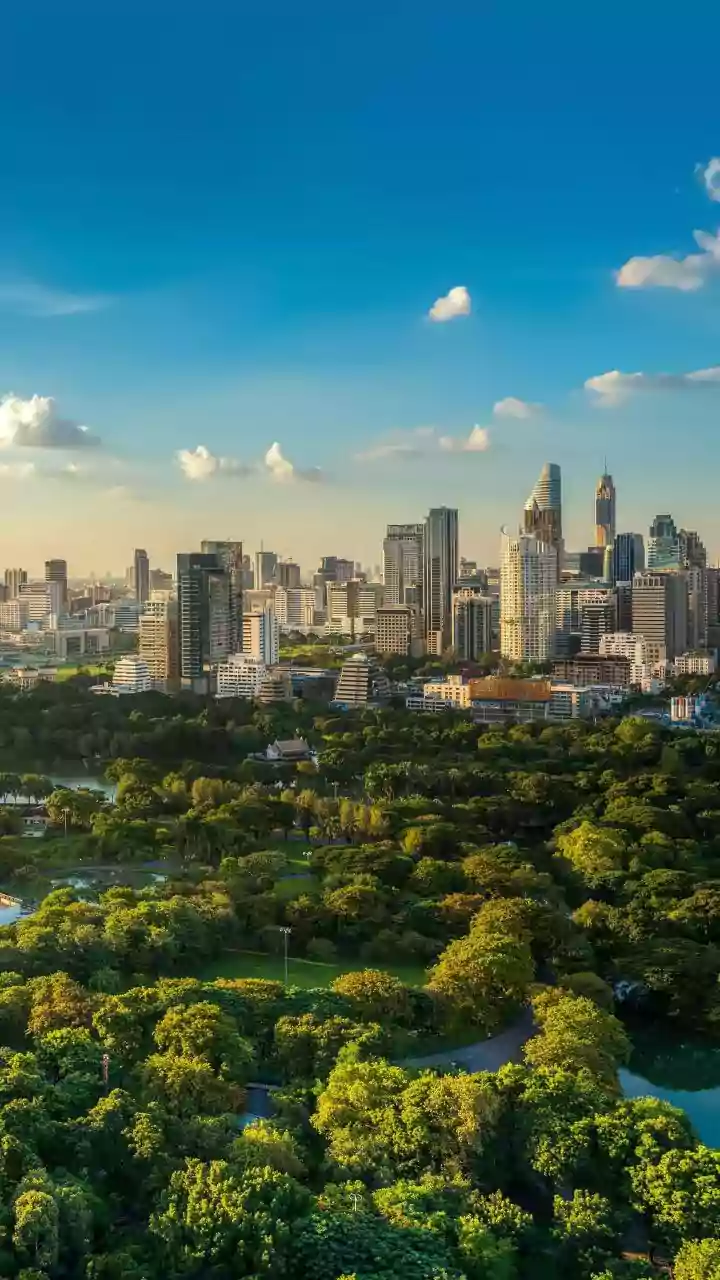




The familiar sight of a city park is changing. Once the domain of morning walkers and quiet seniors, urban green spaces are now buzzing with a new energy, thanks to young metro dwellers reclaiming them for fitness, fun, and friendship.
A New Fitness Playground
In cities like Delhi,
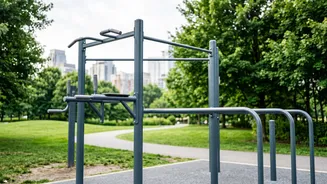
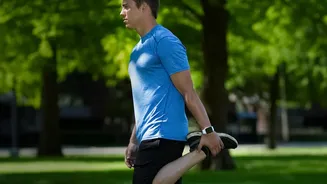
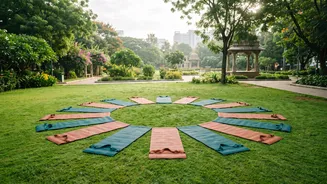
Mumbai, and Bangalore, a visible shift is underway. Where quiet benches once stood, you're now likely to see groups of young people engaged in everything from high-intensity calisthenics to tranquil yoga sessions. This isn't a fleeting trend but a grassroots movement transforming parks into dynamic, open-air wellness hubs. The appeal is straightforward: it’s an escape from the enclosed, often expensive, environment of a traditional gym. Instead of fluorescent lights and subscription fees, there's fresh air, open space, and a shared sense of purpose. This movement leverages the growing availability of public fitness infrastructure, from running tracks to the increasingly common 'open-air gyms' installed by municipal bodies, featuring weather-proof equipment like pull-up bars, leg presses, and twisters.
More Than Just a Workout
While fitness is the initial draw, the social dimension is what makes this trend truly stick. For a generation reporting high levels of stress and digital fatigue, these park gatherings serve as vital 'third places'—environments outside of home and work where community can flourish. It’s a chance to build real-world connections, moving beyond online interactions. Running clubs, boot camps, and even informal workout groups become platforms for making new friends and fostering a sense of belonging. This social aspect makes sticking to a fitness routine easier and more enjoyable, turning a solitary activity into a communal one. Conversations flow as easily as the exercises, building networks and friendships that extend beyond the park gates.
The Push for Urban Renewal
This youth-led reclamation of parks is happening in tandem with civic efforts to modernise urban green spaces. Municipal corporations in various cities have initiated projects to make parks more inviting and functional. Initiatives in Delhi, for example, have focused on installing open-air gyms and upgrading play areas to make local parks more useful for residents. These projects often include better lighting, cleaner facilities, and dedicated zones for different activities, which in turn creates a safer and more appealing environment for everyone, especially after dark. The COVID-19 pandemic also played a role, accelerating a behavioural shift towards outdoor activities as people sought safe ways to exercise and socialise while maintaining physical distance.
The Benefits Beyond Brawn
The advantages of this trend extend beyond physical fitness and social bonding. Studies have consistently shown that exercising outdoors in natural environments can significantly boost mental health. Spending time in parks is linked to reduced stress, anxiety, and depression, along with increased feelings of energy and revitalisation. The exposure to fresh air and sunlight provides a much-needed antidote to a predominantly indoor lifestyle. As these green gyms are free to use, they also democratise fitness, making it accessible to people from all economic backgrounds and breaking down the financial barriers often associated with wellness. This fosters a more inclusive fitness culture, where the focus is on participation and consistency rather than expensive memberships.