

The Cosmic Culinary Challenge
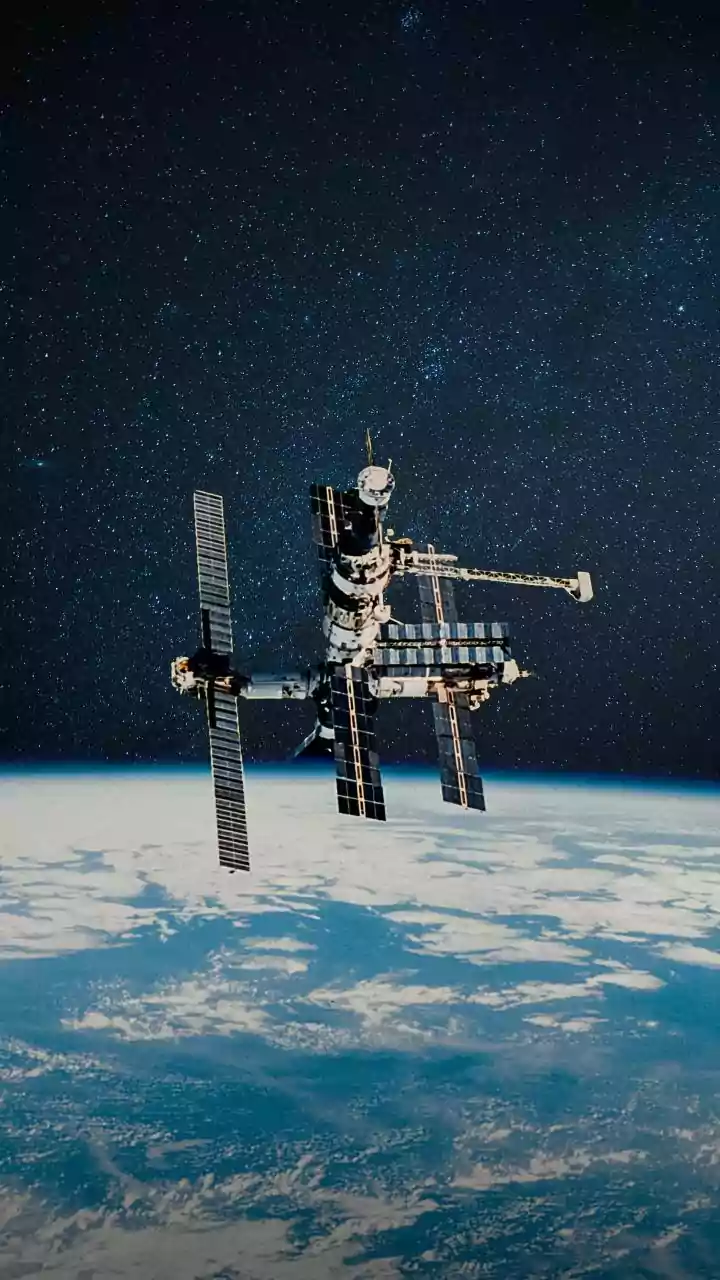
Feeding astronauts is not as simple as packing a lunchbox. Space presents a unique set of culinary and physiological challenges. In microgravity, food crumbs can float away and damage sensitive equipment, while a lack of gravity also affects an astronaut's
sense of taste and smell. Furthermore, extended space travel can lead to health issues like bone density loss and muscle atrophy, making a precisely calibrated nutritional intake essential. The food must be lightweight, compact, have a long shelf life without refrigeration, and be easy to prepare and eat in a confined environment. It's a scientific puzzle where nutrition, food technology, and human psychology intersect.
A Legacy of Space Food in India
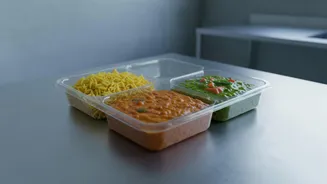
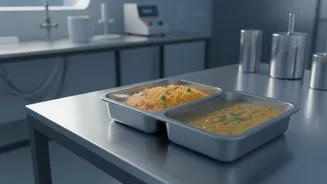
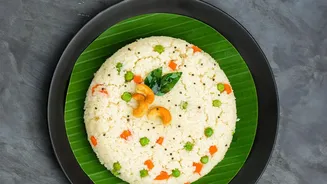
India's journey in space gastronomy began decades ago. The Mysuru-based Defence Food Research Laboratory (DFRL) has long been the pioneer in this field, famously providing a menu for Rakesh Sharma’s space mission back in 1984. For years, DFRL has been the primary hub for developing ready-to-eat, thermo-stabilised meals for India’s space ambitions, creating everything from biryani and khichdi to sooji halwa in space-friendly formats. Their work established a strong foundation, proving that Indian cuisine could be adapted for the final frontier. But as missions become more complex, so do the nutritional demands, opening the door for new expertise.
Hyderabad Enters the Orbit
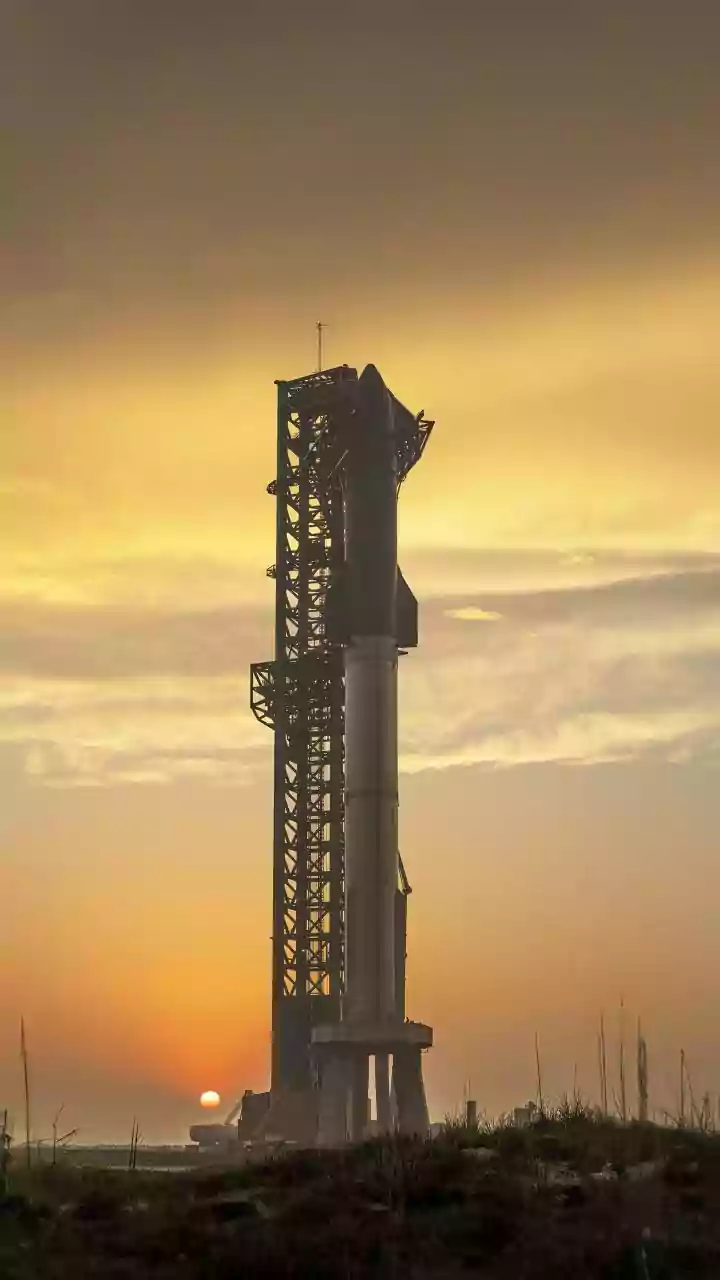
This is where Hyderabad makes its crucial entrance. The city's esteemed ICMR-National Institute of Nutrition (NIN) has officially joined the effort, bringing its deep expertise in human nutrition to the Gaganyaan programme. A memorandum of understanding with the Indian Space Research Organisation (ISRO) formalised this collaboration, tasking NIN scientists with designing a diet that is not only nutritionally flawless but also appealing to the Indian palate. Their role is to meticulously plan the astronauts' diet during training, the flight itself, and post-mission recovery, ensuring every meal is packed with the right micronutrients, antioxidants, and vitamins to counteract the stresses of space.
Crafting the Gaganyaan Menu
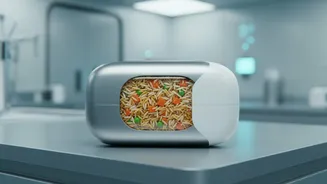
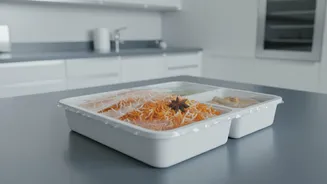
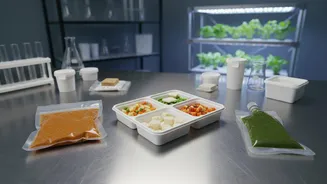
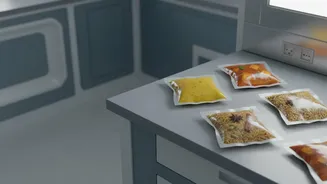
At NIN, the menu is being crafted with incredible attention to detail. Scientists are developing mutton rolls, chicken nuggets, fruit purées, and a special khichdi, all designed to be consumed in low-gravity conditions. These foods are being developed in semi-solid, dehydrated, and ready-to-eat forms that can be reconstituted with a small amount of water. The institute is focusing on balancing sodium levels, regulating fibre for gut health, and ensuring the textures are safe for the spacecraft. To test their creations, NIN scientists are participating in microgravity simulation studies, where volunteers remain in a head-down tilted position for days to mimic the effects of space on the body, helping researchers understand how their food formulations will perform in orbit.
The Rigorous Path to Approval
The challenge of getting food approved for space is immense. It's a process of rigorous testing for safety, stability, and nutritional integrity. A recent example highlighted this difficulty. For the Axiom-4 mission, astronaut Shubhanshu Shukla revealed that out of a large menu of Indian dishes prepared by DFRL, only three items — Gajar ka Halwa, Moong Dal ka Halwa, and Amras (mango pulp) — could complete the stringent and time-consuming qualification process to be certified for flight. This underscores the incredibly high standards that the food developed by scientists in Hyderabad and Mysuru must meet before it can be served hundreds of kilometres above the Earth.