




A Boom in Brick-and-Mortar
The numbers paint a clear picture of a retail resurgence. In the first half of 2026, gross leasing of retail space across India's top cities soared to a four-year peak, reaching 6.27 million square feet. This represents a significant 10.5% increase compared
to the same period in 2025. This boom is happening despite a sharp 64% drop in new shopping mall supply, leading to lower vacancy rates and higher demand for quality spaces. The driving force behind this expansion is overwhelmingly domestic, with Indian brands accounting for nearly 80% of all leasing activity, underscoring strong confidence in the country's consumption story.
Fashion and Food Lead the Charge
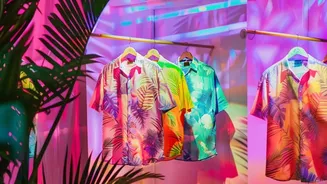
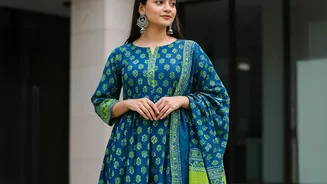
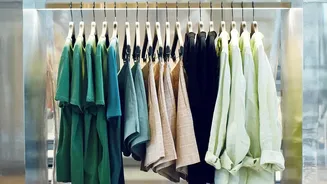
The retail revival is being led by a few key sectors. Fashion and apparel brands are the most aggressive expanders, accounting for about 40% of the total space leased. This includes everything from department stores to mid-range fashion and athleisure brands. Following closely are food and beverage (F&B) outlets, which took up around 14% of the space, and entertainment concepts like cinemas and family activity centers, which comprised about 9%. This mix shows that retailers are betting on consumers seeking well-rounded, experience-led outings rather than just quick shopping trips.
The Mall's Experiential Makeover
Shopping malls are increasingly capturing a larger share of this leasing boom. Their portion of total leasing rose to 43.1% in the first half of 2026, up from 38.9% a year earlier. This is because malls are no longer just collections of stores; they are transforming into comprehensive lifestyle destinations. Retailers are drawn to these premium, organised environments that offer high footfall and the ability to create flagship experiences. As developers allocate more space to dining, entertainment, and social zones, malls are becoming the preferred choice for brands looking to make a significant impact and engage with customers beyond a simple transaction.
High Streets: Still the Heart of Commerce
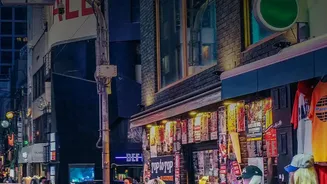
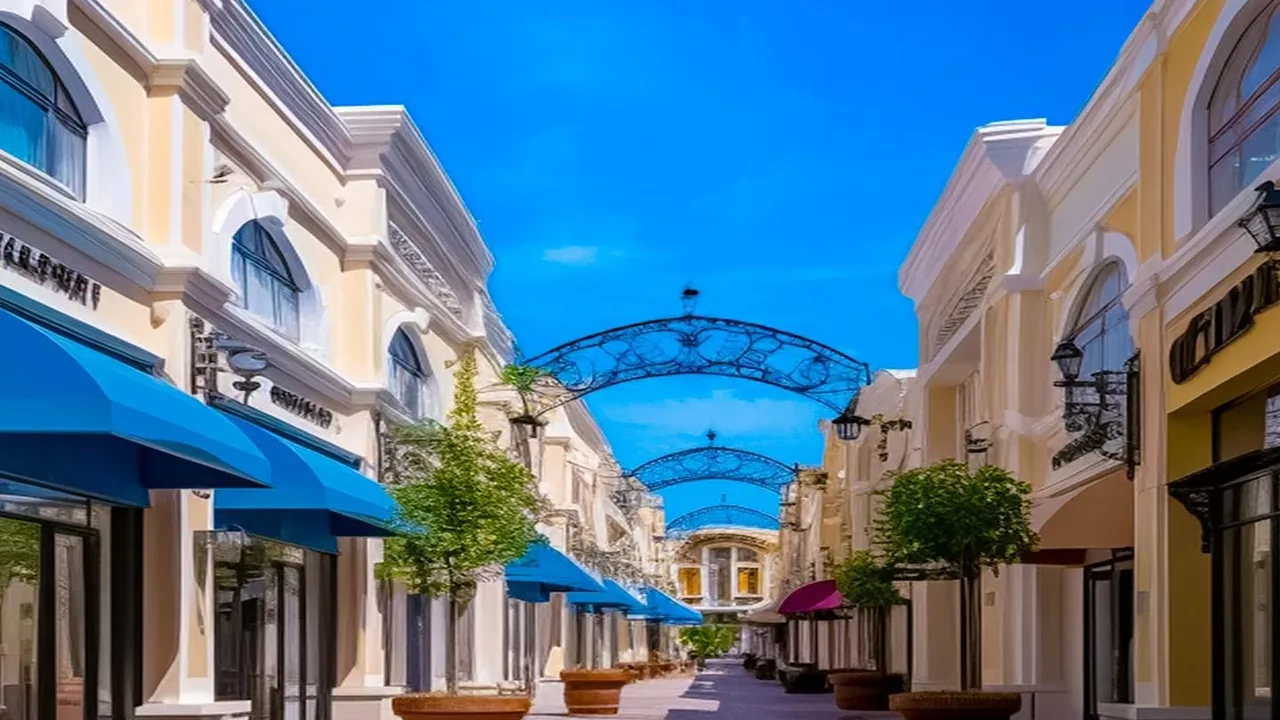
While malls are gaining ground, high streets continue to be the bedrock of India's retail landscape, anchoring the majority of leasing volumes. Their enduring appeal lies in convenience, accessibility, and the unique character they bring to a neighborhood. For many brands, particularly in the F&B and high-frequency purchase categories, a high-street location offers visibility and a direct connection to the community that a mall cannot replicate. The supply crunch in quality mall spaces has also prompted many top brands to look at high streets as a viable and often necessary alternative for expansion, ensuring these traditional retail hubs remain vibrant and competitive.
The Road Ahead for Retail
The strong leasing momentum is not just concentrated in metro areas. Cities like Chandigarh, Jaipur, and Kochi are seeing a surge in activity, particularly from fashion retailers looking to tap into new markets. This expansion into Tier-II cities is a key part of the next chapter of India's retail story. Looking forward, the demand for quality retail space is expected to remain robust. With a pipeline of over 45 million square feet of new mall space planned by 2030, the competition between malls and high streets is set to intensify, offering consumers more choices and driving retailers to innovate further.