




A New Light on Ancient Stones
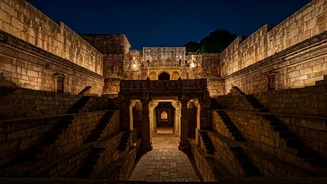
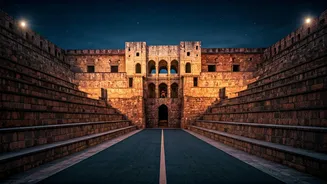
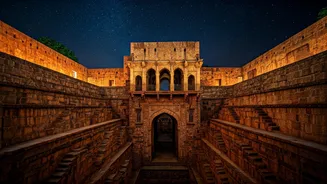
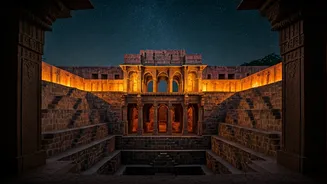
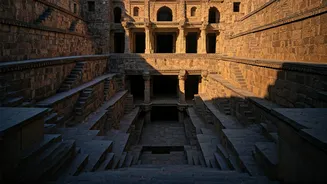
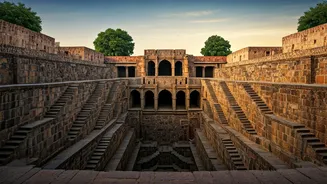
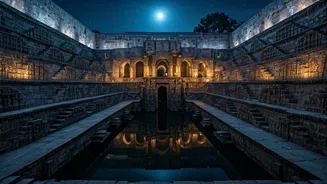
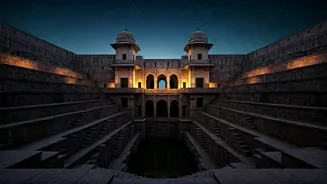
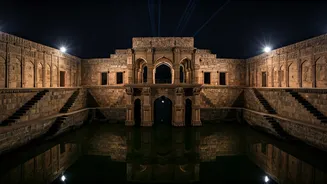
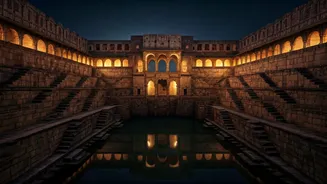
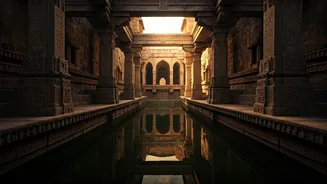
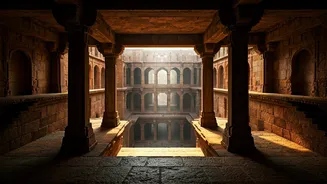
Imagine standing at the edge of Agrasen ki Baoli in Delhi or Adalaj ni Vav in Gujarat, structures that have witnessed centuries of daylight. Now, picture them under a blanket of stars. This is the scene for a growing trend across India: night photography
crawls. Groups of amateur and professional photographers gather, tripods in hand, to capture these architectural marvels in a completely different dimension. The usual crowds are gone, replaced by a quiet, focused energy. The air is thick with anticipation as participants experiment with light, shadow, and long exposures, transforming familiar historical sites into otherworldly landscapes. It’s an experience that is part history lesson, part art class, and part urban adventure.
From Neglected Relics to Night-Time Muses
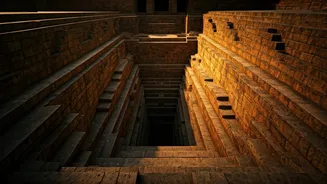
For decades, many of India’s thousands of stepwells—known as baolis, vavs, or kunds—were forgotten architectural footnotes. Designed to be sophisticated rainwater harvesting and community gathering systems, they fell into disuse and disrepair. While organisations like the Archaeological Survey of India (ASI) have worked to preserve them, their true potential as cultural canvases remained largely untapped. The rise of social media, particularly Instagram, created a new appetite for visually stunning and unique locations. Suddenly, the intricate geometric patterns and deep, shadowy recesses of stepwells became a magnet for creatives. These photography crawls are a direct result, breathing new life into structures that were once merely historical curiosities and turning them into prime-time protagonists in India's visual narrative.
The Art of the 'Epic' Shot
So, how exactly are these ancient wells made to look so 'epic'? The magic lies in the techniques of night photography. The darkness provides a blank canvas that photographers can “paint” on. Using long exposures, a camera can capture more light than the human eye, revealing textures and details in the stone that are invisible in the daytime. A popular technique is 'light painting,' where photographers use torches, mobile phone screens, or even dedicated light wands to selectively illuminate parts of the stepwell during a long exposure. This creates dramatic, high-contrast images where staircases seem to float in darkness and archways glow with an ethereal light. The result is not just a photograph of a stepwell, but a dramatic interpretation of its form and spirit.
More Than Just a Pretty Picture
While the stunning images are the most visible outcome, organisers and participants say the experience is about much more. These crawls foster a sense of community among photographers who share tips and collaborate on shots. They also represent a powerful form of grassroots heritage appreciation. By seeing these sites through a creative lens, participants develop a deeper connection to their city’s history. For many, it's the first time they are visiting a monument at night, experiencing its atmosphere without the daytime rush. This act of creative reclamation is helping a new generation engage with their heritage on their own terms, using the tools and platforms of their time to celebrate the past.
Where the Magic Happens
While impromptu groups pop up everywhere, several organised walks have become popular. In Delhi, Agrasen ki Baoli is a favourite canvas, its central location and dramatic architecture making it ideal for night shoots. In Gujarat, the magnificent Adalaj ni Vav and Rani ki Vav have become hubs for photography enthusiasts. In Rajasthan, the deep, geometric wonder of Chand Baori near Jaipur offers a challenge and a reward for skilled night photographers. These events are often organised by photography clubs, heritage walk groups, and online communities, who secure the necessary permissions and provide guidance on technique and safety. They offer a structured, safe way to explore these sites after dark, unlocking a perspective that most visitors never get to see.