



The Sun's Turbulent Weather
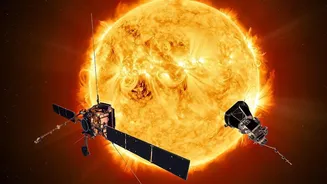
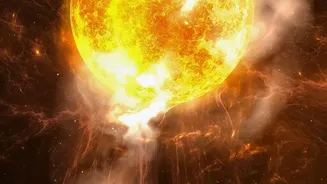
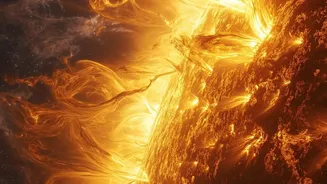
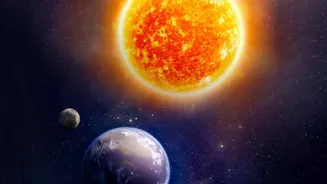
The sun is not a perfectly calm star. Its surface is a churning, superheated environment of magnetic fields. Sometimes, these magnetic field lines snap and reconnect, unleashing tremendous bursts of energy. These events come in two main forms: solar flares,
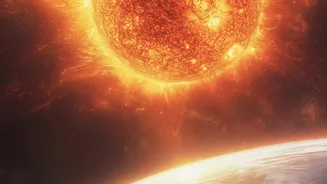
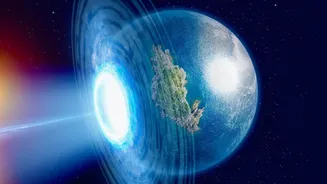
which are intense flashes of radiation that travel at the speed oflight, and Coronal Mass Ejections (CMEs), which are colossal bubbles of plasma and magnetic fields hurled into space. While solar flares can cause immediate radio blackouts on the sunlit side of Earth, it's the CMEs that pose the biggest threat to our infrastructure. If a CME is aimed at Earth, it travels through space and can slam into our planet's magnetic field a few days later.
Our Technology on the Front Line
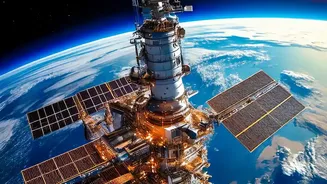
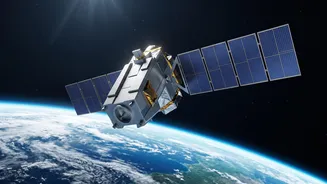
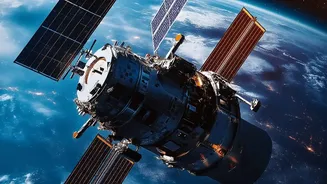
A severe solar storm can have a devastating impact on the technology we rely on daily. When a CME interacts with Earth's magnetosphere, it can induce powerful electrical currents on the ground. These geomagnetically induced currents can flow into power grids, overloading transformers and causing widespread blackouts, like the one that left millions in Quebec, Canada, without power in 1989. Satellites are also highly vulnerable. Charged particles from a storm can damage sensitive electronics and solar panels. The storm can also heat and expand Earth's upper atmosphere, increasing drag on low-orbiting satellites, causing them to lose altitude and potentially fall out of orbit. This disrupts everything from GPS navigation and financial transactions to television broadcasts and, of course, internet access.
The Global Space Weather Watch
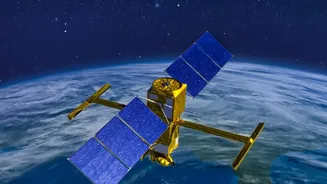
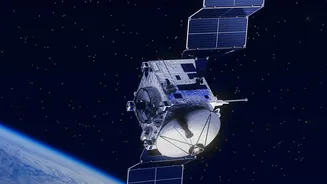
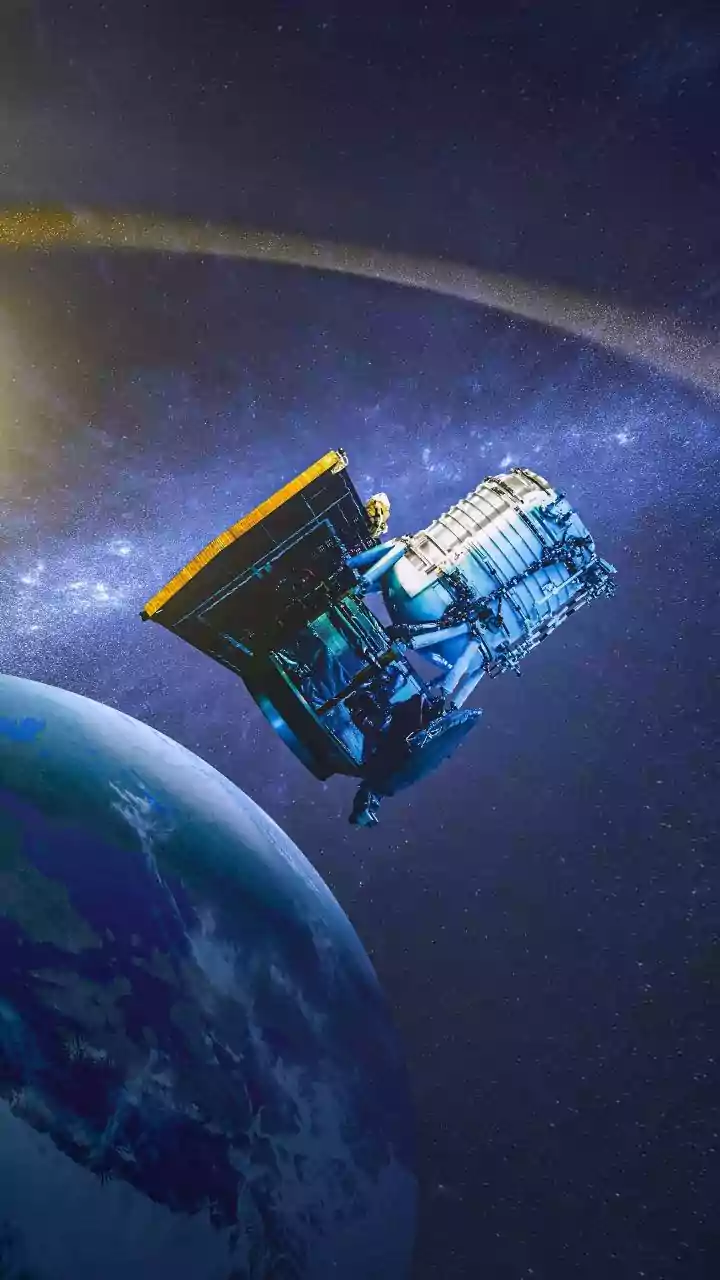
Protecting against this threat requires constant vigilance. A global network of space- and ground-based observatories acts as our planet's space weather service. Organisations like the US-based Space Weather Prediction Center (SWPC), operated by NOAA, serve as a worldwide hub for forecasting. They use data from a fleet of satellites strategically positioned between the Earth and the sun. Instruments called coronagraphs block out the sun's direct light, allowing scientists to see CMEs as they erupt and leave the sun. By tracking a CME's speed and trajectory, forecasters can predict if it will hit Earth and estimate its arrival time and potential intensity, typically giving us one to three days of warning.
India's Eye on the Sun: Aditya-L1
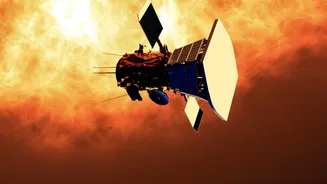
India has become a key player in this global effort with its first solar observatory, the Aditya-L1 mission. Launched by the Indian Space Research Organisation (ISRO), Aditya-L1 is positioned at Lagrange Point 1 (L1), about 1.5 million kilometres from Earth, where it has an uninterrupted view of the sun. The spacecraft is equipped with a suite of instruments to study the sun's atmosphere and the solar wind. Data from Aditya-L1 is crucial for understanding how solar storms develop and for improving forecast models. Its observations, combined with data from other international missions, provide a more complete picture of space weather events, enhancing our ability to predict their impact on Earth.
From Forecast to Action
When a significant solar storm is predicted, warnings are issued to government agencies and industries. This advance notice is critical. Satellite operators can put their spacecraft into a protective 'safe mode' to shield sensitive electronics. Airline companies may reroute flights away from polar regions where radiation exposure is higher during a storm. Power grid operators get the most crucial task: they can prepare their systems to better handle the induced electrical currents by reducing loads or redirecting power, helping to prevent catastrophic failures and prolonged blackouts. This proactive approach transforms a potentially devastating natural event into a manageable one.