







The Penalty Predicament
The most glaring statistic fuelling the debate is the number of penalties awarded to Argentina. Across the 2022 and 2026 World Cups, La Albiceleste have been awarded eight penalties. This figure is double that of the next closest team, England, who have received
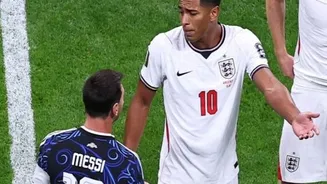
four. In the current tournament alone, Argentina have been given three spot-kicks. While this high number raises eyebrows, it's also worth noting Lionel Messi's unusual conversion rate, having missed two of the three penalties in this tournament. Proponents of the favouritism theory point to this sheer volume as undeniable proof, while others argue it simply reflects Argentina's aggressive, attack-focused style of play that forces opponents into making desperate challenges inside the box.
A Look at VAR Controversies
The Video Assistant Referee (VAR) system, designed to eliminate clear and obvious errors, has become a central character in this drama. Data analysed up to the round of 16 shows that Argentina is among the top beneficiaries of VAR interventions, with a high rate of calls going in their favour and, notably, zero interventions going against them. The most cited example is the contentious Round of 16 match against Egypt, where a crucial Egyptian goal was disallowed after a VAR review for a foul in the build-up. Moments later, Argentina mounted a stunning comeback to win 3-2. The Egypt camp was furious, lodging a formal complaint and accusing officials of bias. Analysts, however, offer a nuanced view, suggesting the data could also be interpreted to mean that on-field referees are missing calls against Argentina's opponents, which VAR then correctly identifies.
The Card Count Conundrum
Disciplinary action, or the perceived lack thereof, is another major talking point. Some statistics suggest a significant disparity in how fouls are punished. One analysis pointed out that during this World Cup, Argentina has committed an average of 19.7 fouls for every yellow card they receive. In stark contrast, a team like England receives a yellow card for every 7.7 fouls committed. This has led to accusations that Argentine players are allowed to get away with more physical challenges. However, other data from the tournament indicates that Argentina's total yellow card count (six) is not an extreme outlier compared to other quarter-finalists and that several teams have a worse fouls-per-card ratio. This highlights how different interpretations of statistics can lead to vastly different conclusions.
FIFA and Expert Opinions
In the face of mounting criticism, which has included an online petition with millions of signatures calling for Argentina's disqualification, FIFA has come out strongly. Chief Refereeing Officer Pierluigi Collina vehemently rejected any claims of bias, stating that the integrity of FIFA's officials is beyond question and that they operate with complete independence. Collina defended the specific decisions made in the Egypt match, explaining the technical application of the rules for both the disallowed goal and a penalty appeal that was denied for Egypt. This official stance, however, has done little to quell the debate, especially when former professionals and managers add their own critical perspectives to the mix.