

Understanding Space Weather
When we talk about weather from the Sun, we're referring to 'space weather'. This isn't about the temperature in Mumbai or Delhi; it’s about conditions in space that can affect Earth. The primary driver of space weather is the solar wind, a continuous
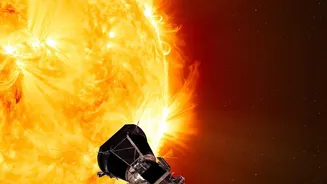
flow of charged particles—mostly protons and electrons—that stream out from the Sun's hot outer atmosphere, the corona. Sometimes, the Sun has violent outbursts like solar flares or Coronal Mass Ejections (CMEs), which are massive eruptions of plasma and magnetic fields. These events can supercharge the solar wind, creating solar storms that travel across the solar system.
Why Solar Storms Are a Threat
While Earth's magnetic field acts as a protective shield, deflecting most of the solar wind, intense solar storms can breach these defenses. When these highly energetic particles interact with our magnetosphere, they can cause geomagnetic storms. These aren't just responsible for the beautiful auroras at the poles; they can have serious consequences for our technology-dependent world. Geomagnetic storms can disrupt satellite operations, interfere with GPS signals and telecommunications, endanger astronauts, and even cause massive power outages by overwhelming electrical grids on the ground.
Aditya-L1: A Sentry in the Sky
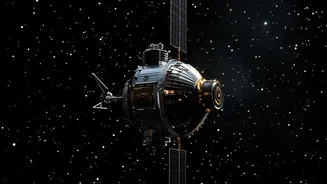
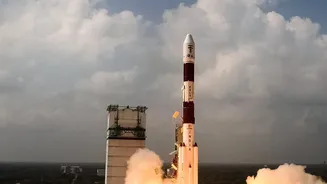
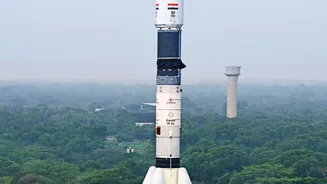
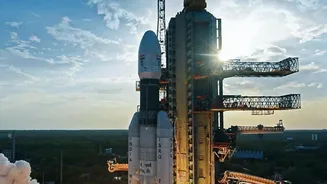
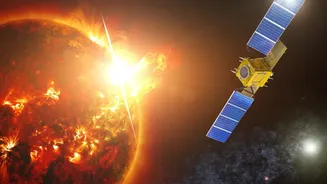
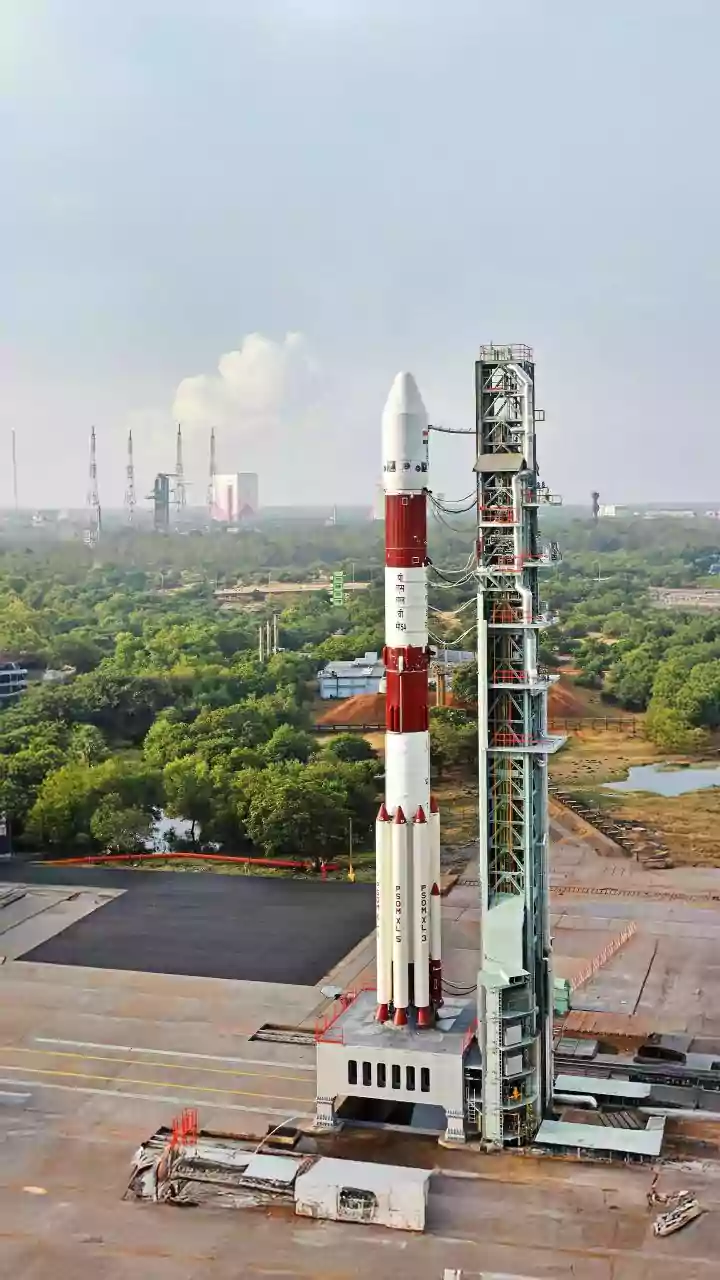
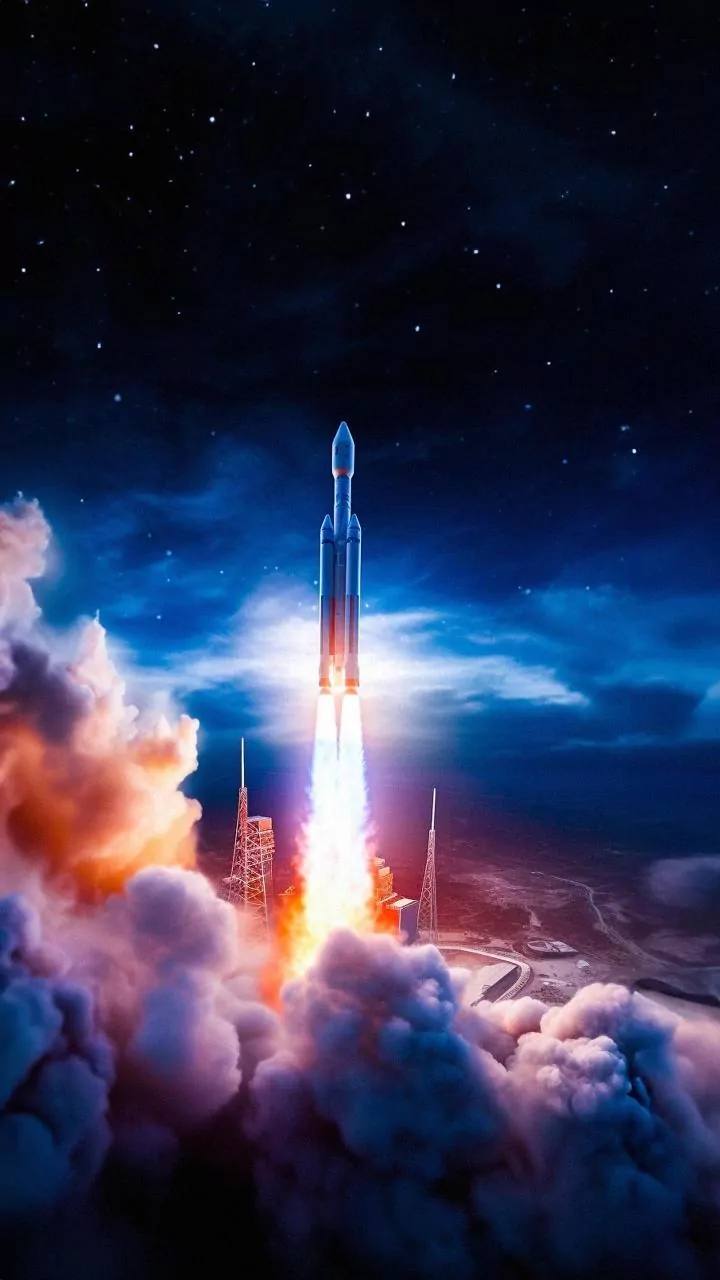
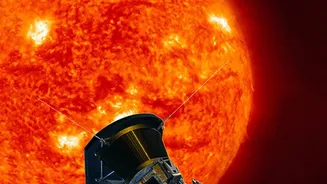
This is where ISRO's Aditya-L1 mission comes in. Launched in September 2023, it is India's first dedicated solar observatory. Its name comes from 'Aditya', a Hindu name for the Sun, and 'L1' for its unique location: the first Lagrange point. This is a gravitationally stable spot about 1.5 million kilometres from Earth, directly between our planet and the Sun. From this vantage point, Aditya-L1 has a continuous, uninterrupted view of the Sun, without any eclipses or occultations. This allows it to act as an early-warning system, spotting solar activity and tracking solar wind long before it reaches Earth.
The Toolkit for Solar Prediction
Aditya-L1 is equipped with seven sophisticated instruments (payloads) designed to study the Sun and the space environment. Four are remote-sensing payloads that observe the Sun's different layers, while three are in-situ payloads that measure the environment right at the L1 point. Instruments like the Visible Emission Line Coronagraph (VELC) and the Solar Ultraviolet Imaging Telescope (SUIT) watch for the triggers of CMEs and flares on the Sun itself. Meanwhile, payloads like the Aditya Solar wind Particle Experiment (ASPEX) and the Plasma Analyser Package for Aditya (PAPA) directly sample the solar wind, measuring the properties of its particles. A magnetometer also tracks the magnetic field embedded within the solar wind.
From Data to Early Warning
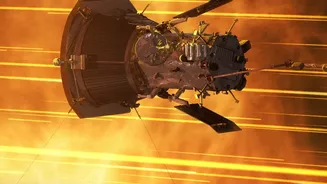
By combining the data from all its instruments, Aditya-L1 creates a comprehensive picture of solar events from their origin to their journey towards Earth. The remote-sensing instruments can see a CME lift off from the Sun's corona, providing the first alert. Then, as that burst of particles and magnetic fields travels through space, the in-situ instruments at L1 can directly measure its speed, density, and magnetic orientation about an hour before it hits Earth. This lead time is critical. It allows satellite operators, power grid managers, and airlines to take protective measures, mitigating the worst effects of a geomagnetic storm. Recent research using Aditya-L1 data has already provided new insights into the precursor events that lead to solar flares, bringing us one step closer to reliable forecasting.