


The Anatomy of a Monsoon Bowl
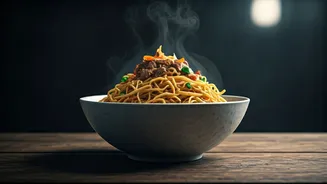
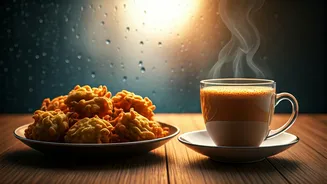
So, what exactly is a “monsoon bowl”? It isn’t a specific recipe, but rather a philosophy of eating. Think of a deep, inviting bowl filled with something warm, nourishing, and often a little soupy. It’s the kind of meal you can eat with a single spoon
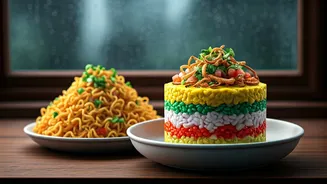
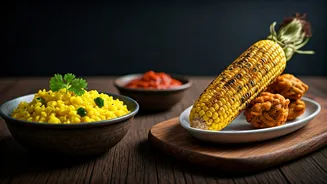
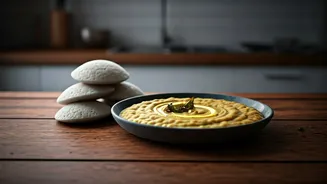
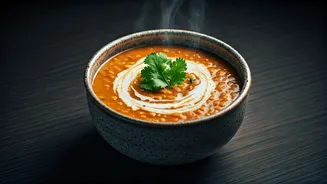
while curled up on the couch, listening to the pitter-patter of rain outside. At its heart lies comfort food, reimagined. The humble khichdi, traditionally a simple rice and lentil dish, is a prime example. In a monsoon bowl format, it might be elevated with a tempering of aromatic spices, a dollop of tangy yogurt, a sprinkle of crisp fried onions, and served in a beautiful, handcrafted ceramic bowl. Other contenders include hearty dal makhani, soupy thukpa from the hills, spicy ramen, or a fragrant Thai green curry with jasmine rice—all self-contained worlds of flavour and texture.
The Psychology of Comfort
There’s a powerful psychological reason why eating from a bowl feels so good, especially during the monsoon. A plate requires a table, cutlery, and a certain formality. A bowl, however, is informal and intimate. You can cup it in your hands, feeling its warmth seep into your palms. This physical connection creates a sense of security and cosiness, a feeling culinary experts often describe as a “hug in a bowl.” The act of eating a one-bowl meal is also simpler. There’s no need to coordinate different components on a plate; everything is mixed together, allowing flavours to meld beautifully. This effortless nature perfectly matches the lazy, contemplative mood that often accompanies a rainy day. It’s food that nourishes not just the body, but the soul.
From Simple to Special
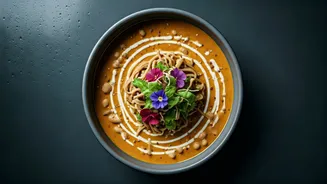
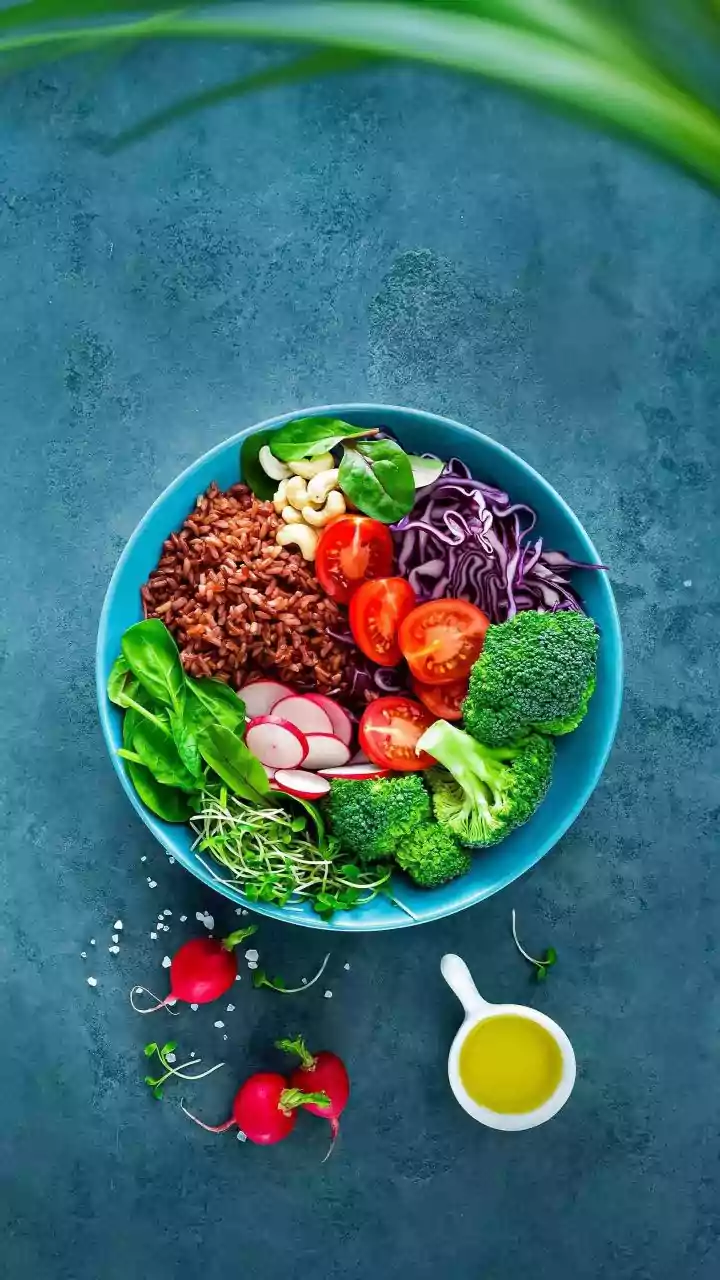
The magic of the monsoon bowl lies in its ability to make simple food feel premium without relying on expensive or exotic ingredients. The “premium” feeling comes from the care and attention put into its assembly. It’s about the art of layering. A base of rice or noodles is topped with a flavourful curry or broth, followed by proteins, vegetables, and finally, a flourish of garnishes. This finishing touch is crucial. A drizzle of high-quality ghee, a scattering of fresh cilantro or mint, a spoonful of crunchy seeds, a squeeze of lime, or a few slivers of ginger can instantly elevate a dish from mundane to magnificent. This approach encourages mindfulness in the kitchen, transforming the act of preparing a simple meal into a creative and rewarding process.
The Vessel Makes the Meal
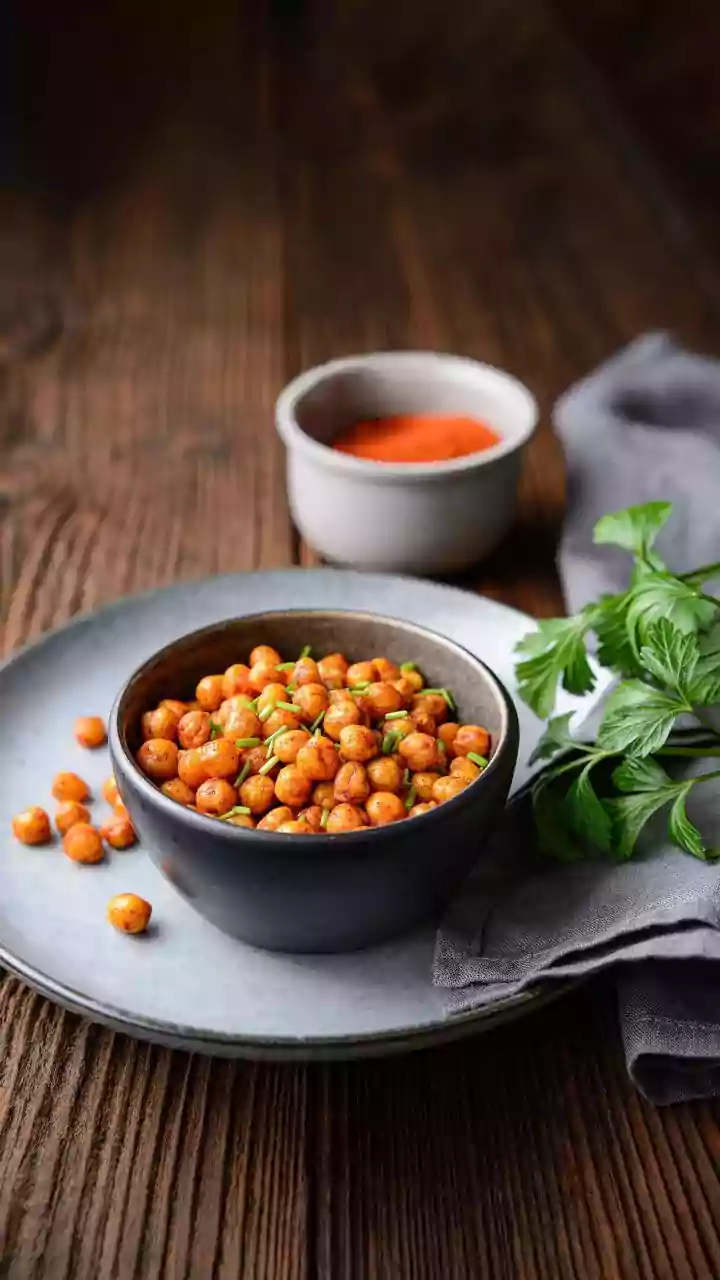
You can’t talk about a monsoon bowl without talking about the bowl itself. The recent surge in popularity of artisanal, handmade ceramics has played a huge role in this trend. Eating a lovingly prepared meal from a unique, textured, earth-toned bowl enhances the entire experience. It feels personal and special, a far cry from a mass-produced, sterile white plate. The vessel becomes part of the aesthetic, making the food not just delicious to eat but also beautiful to look at. Restaurants have caught on, often serving their signature curries and noodle dishes in bespoke pottery that adds to the overall premium dining experience. For home cooks, investing in a few special bowls is an easy way to bring a touch of restaurant-style elegance to everyday meals.
A Global Concept, A Local Heart
While the monsoon bowl feels distinctly Indian in its context, the one-bowl meal is a global phenomenon. From Japanese donburi and Korean bibimbap to Hawaiian poke bowls, cultures around the world have long understood the appeal of a complete, balanced meal in a single vessel. What makes the monsoon bowl special is its adaptation to the Indian palate and season. It embraces local ingredients and familiar flavour profiles, from a tangy rasam served over rice to a creamy chicken korma. It’s a trend that is both modern in its presentation and deeply rooted in the tradition of comfort eating, proving that sometimes the most satisfying luxuries are the simplest ones.