


A Forest Floor That Breathes Light
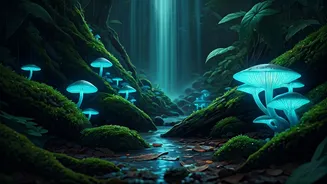
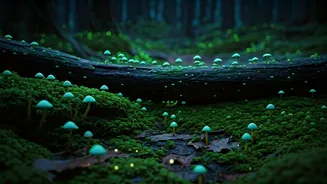
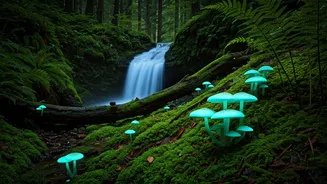
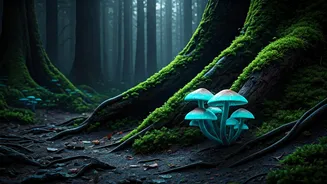
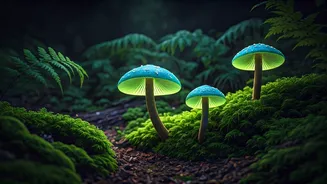
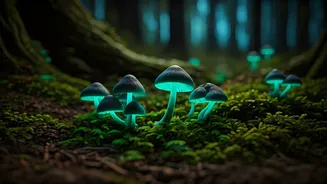
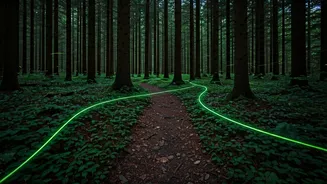
During India’s monsoon season, something truly magical happens in the dense forests of the Western Ghats and parts of the Northeast. Tiny mushrooms, often belonging to the *Mycena* genus, begin to glow with a soft, green-blue light. This natural phenomenon,
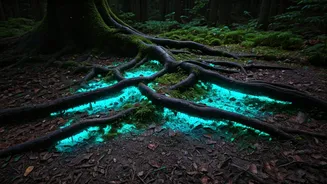
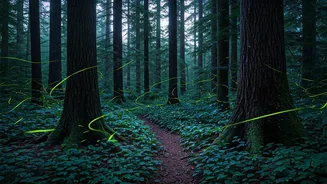
known as bioluminescence, transforms ordinary forest trails into enchanting landscapes. The glow comes from the mushrooms themselves—both the caps and the mycelium, the thread-like network that grows on rotting wood and leaves. On a moonless night, especially after a good spell of rain, the effect is breathtaking, with clusters of glowing fungi illuminating fallen logs, tree bark, and damp soil like a starfield at your feet.
The Science of Nature's Night-Light
But why do they glow? This isn't magic, but brilliant biology. The light is created by a chemical reaction involving a compound called luciferin and an enzyme, luciferase. When luciferin combines with oxygen, the enzyme acts as a catalyst, releasing energy in the form of cold light. Scientists have a few theories about its purpose. One popular idea is that the glow attracts nocturnal insects. These insects crawl over the mushrooms and inadvertently pick up spores, which they then carry to new locations, helping the fungi reproduce and spread. Another theory suggests the light might be a warning signal, deterring certain animals from eating them. Whatever the reason, it’s a stunning example of nature's ingenuity.
Where to Find This Magical Sight
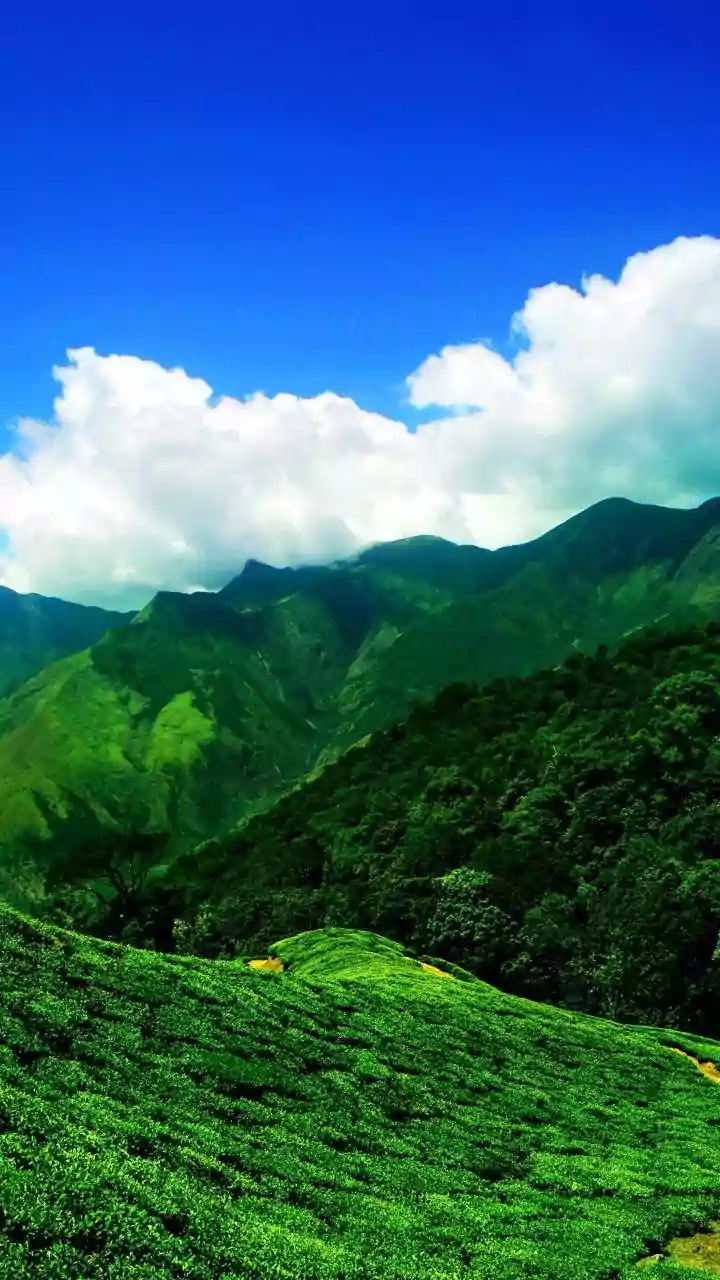
This spectacle is most prominent in the Western Ghats, a biodiversity hotspot that comes alive during the monsoon (roughly June to October). Key locations include:
- **Goa:** The Mhadei Wildlife Sanctuary in the Chorla Ghat region is one of the most famous spots. Several eco-tourism groups and local guides offer specific 'glowing mushroom' trails here.
- **Maharashtra:** The region around Bhimashankar Wildlife Sanctuary, near Pune, as well as forests in the Amboli and Radhanagari regions are also known for bioluminescent fungi.
- **Meghalaya:** In the northeastern part of the country, the forests of the West Jaintia Hills have revealed new species of glowing mushrooms, making it another prime destination for this experience.
These are not the only places, but they are the most well-documented and accessible for guided tours.
Why You Should Join a Guided Walk
While you could technically venture out on your own, joining a guided walk is highly recommended. Forests at night can be disorienting and potentially dangerous with unseen obstacles and wildlife. Experienced local guides know the terrain intimately. They can lead you safely to the exact spots where the mushrooms are most abundant, which can be difficult to find otherwise. More importantly, they can identify the specific glowing species and share fascinating insights about the local ecosystem, flora, and fauna. A guide ensures your experience is not only magical but also safe and educational. Many local conservation groups and eco-tour operators organise these walks during the peak monsoon months.
Tips for Your Glowing Mushroom Hunt
To make the most of your adventure, keep a few things in mind. The best time to go is during the peak monsoon, on a dark, moonless night, ideally a day or two after heavy rainfall, which encourages the fungi to fruit. Wear sturdy, waterproof footwear with good grip, as trails will be slippery and muddy. A lightweight raincoat is a must. While you'll need a torch (flashlight) to navigate, use it sparingly once you're in the glowing zones to let your eyes fully adapt to the dark. Some guides recommend using a red filter over your torch, as red light is less disruptive to your night vision and to nocturnal creatures. Most importantly, be a responsible tourist. Do not touch or pick the mushrooms, as some may be toxic and you could damage the delicate mycelial network. And, of course, leave no trace behind.