



An Erratic and Uneven Monsoon
The story of the 2026 monsoon has been one of sharp contrasts. After a concerningly dry June with a rainfall deficit of around 35%, July brought a dramatic recovery, with rainfall even hitting 1% above the long-period average for the month. This turnaround
helped narrow the gap in the sowing of crucial Kharif crops. However, the recovery has been far from uniform. As of early August, the cumulative seasonal rainfall for the country was still about 12% below normal. More importantly, this national average masks severe regional disparities. While some parts of Central India received heavy rains, vast areas in the south, east, and northeast have faced significant deficits, with some districts recording shortfalls of 20% to 38%. Experts point to a strengthening El Niño phenomenon as a primary driver, which typically suppresses monsoon circulation over India.
How Rain Links to Your Roti
India's agricultural sector is deeply dependent on the monsoon, which delivers about 70% of the country's annual rainfall. Nearly half of all farmland lacks access to irrigation, making timely and adequate rains essential for crop health and yields. A weak or uneven monsoon directly impacts the sowing and growth of the Kharif (summer) crops, which include staples like rice, pulses (dal), coarse cereals, and oilseeds. Delays in rainfall can lead to delayed sowing, which often results in lower productivity. If dry spells occur during critical growth phases, it can stunt the crops and reduce the final harvest. Lower agricultural output leads to reduced supply in the markets (mandis), and when supply tightens while demand remains constant, prices inevitably rise. Food items constitute a significant portion—nearly 46%—of the Consumer Price Index (CPI) basket, which is used to measure retail inflation. This means even a moderate increase in the price of a few key food items can have an outsized impact on overall inflation and household budgets.
Which Crops Are Most at Risk?
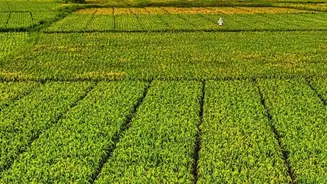
The impact of the patchy monsoon is already visible in sowing data. As of early August, overall Kharif sowing was trailing last year's figures. Paddy (rice) is a major concern, with acreage down 4.2% year-on-year as of August 7, as transplanting slowed in some areas. The sowing of pulses and coarse cereals has also lagged. Experts have flagged pulses in particular as a crop that could see upward price pressure due to the erratic rainfall and a longer cropping period delaying the harvest. While a mid-season recovery in July helped oilseed acreage improve, the final output for all rain-fed crops remains dependent on rainfall in the latter half of August and early September. Any prolonged dry spells during this critical period could reverse the gains made in July and negatively affect yields.
The Broader Economic Ripple Effect
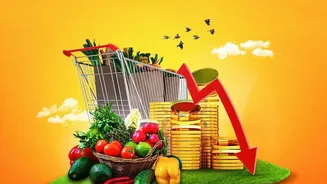
The threat of food inflation is already being taken seriously by economists and policymakers. Retail inflation in July 2026 rose to 4.45%, with food inflation climbing to 5.52%. Analysts expect food prices to be the key factor driving inflation in the coming months. The Reserve Bank of India (RBI) has highlighted the uneven monsoon and El Niño conditions as key risks to the inflation outlook. Beyond the direct impact on food prices, a poor monsoon has wider economic consequences. Lower agricultural output can dampen rural demand, affecting sales of everything from tractors to fast-moving consumer goods. It can also impact hydropower generation due to lower water levels in reservoirs, potentially increasing reliance on more expensive power sources. While the government has tools like releasing buffer stocks of foodgrains to manage sharp price rises, the effectiveness of these measures depends on the scale of the production shortfall.