




The Allure of a Post-Monsoon Visit
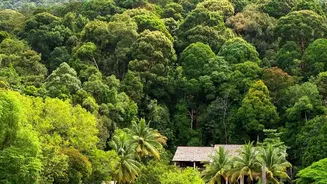
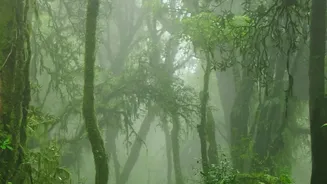
Visiting Wayanad as the monsoon season wanes in late August and September offers a unique spectacle. The landscape, drenched and rejuvenated, radiates an almost electric shade of green. Waterfalls like Soochipara and Meenmutty, which are mere trickles
in summer, become thunderous cascades. The air is crisp, the mornings are misty, and the tourist crowds are thinner, offering a more peaceful and intimate experience of the Western Ghats. However, the legacy of heavy rains means that safety is paramount. The ground remains saturated, and risks on slippery trails and ghat roads persist, making your choice of stay more critical than ever.
Understanding Safety First
Safety in Wayanad during this season primarily means mitigating risks associated with landslides and flooding. Devastating landslides in previous years, such as the ones in 2024 in the Mundakkai and Chooralmala areas, serve as a stark reminder of the region's geological fragility. Authorities have since designated ecologically sensitive zones where construction is restricted. For tourists, this means choosing resorts located on stable ground, away from steep, vulnerable slopes and low-lying riverbanks. As of mid-August 2026, tourism restrictions from earlier heavy rain alerts have been lifted, but normal monsoon caution is advised. Reputable eco-lodges often build safety into their design, using sustainable architecture on secure land and training staff for emergency preparedness.
Option 1: The Plantation Estate Stay
One of the safest and most immersive options is a stay within a sprawling coffee or spice plantation. These estates are typically located on well-established, rolling terrain rather than perilous cliffs. Resorts like Tranquil Resort, set on a 400-acre coffee and spice estate, offer a secure environment where nature is the main attraction. The established root systems of the plantation crops help stabilize the soil, and the properties are often built with deep local knowledge of the landscape. They provide the luxury of enjoying the rain-washed scenery from a private verandah or through guided walks on vetted trails within the estate, far from public-access areas that might be treacherous.
Option 2: The Ridge-Top Boutique Resort
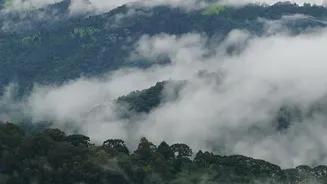
Choosing a resort built on a solid ridge offers panoramic views without the associated risks of being on an unstable slope. These properties prioritize structural integrity and are often set back from the steepest edges of a hill. They provide a magnificent vantage point to watch the mist roll through the valleys below. Look for properties that explicitly mention their architectural foresight and location benefits. Many eco-resorts in the Vythiri and Kalpetta areas are situated with this kind of strategic placement in mind, offering both luxury and peace of mind. They blend modern amenities with designs that respect the natural topography, ensuring a comfortable and secure base from which to explore.
Option 3: The Eco-Conscious Hideaway
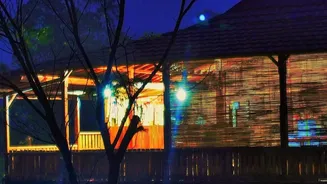
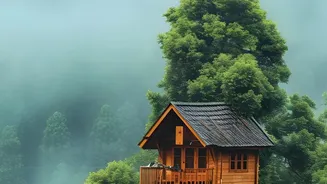
Many smaller, dedicated eco-lodges focus on sustainability, which often goes hand-in-hand with safety. Properties like Earthy Homes are constructed with natural materials that are in harmony with the environment, often on carefully selected plots of land. These lodges tend to be more intimate, allowing for greater attention to guest safety and local conditions. They encourage activities like birdwatching, gentle treks on safe private paths, or even pottery workshops, providing fulfilling experiences without needing to venture out during a downpour. Their ethos is about living with nature, not conquering it, which translates into a more cautious and respectful approach to monsoon tourism.
Your Pre-Booking Checklist
Before confirming your stay, a few checks are essential. First, call the property directly and ask about their specific safety measures for the monsoon season. Inquire about their distance from landslide-prone zones and if their road access is all-weather. Check recent reviews on travel portals for any mentions of safety or accessibility issues during rain. Confirm their cancellation policies in case of a weather alert from the Kerala State Disaster Management Authority (KSDMA). Finally, plan your travel to cross any ghat sections, like the Thamarassery Churam, during daylight hours, as fog and slippery conditions increase risks after dark.