



The Initial Calamity
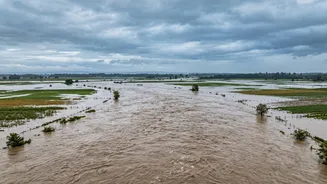
The recent disaster began with a catastrophic event near the Nepal-Tibet border, triggering massive flash floods that have claimed over 160 lives and left hundreds more missing, including many foreign tourists. An ice and rock avalanche is suspected to have crashed
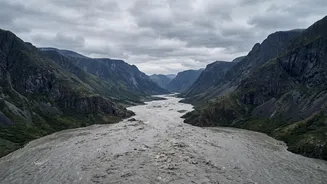
into a river, creating a sudden, violent surge of water, mud, and debris that roared downstream through the Bhote Koshi and Trishuli river systems. This initial wave destroyed entire villages, washed away critical infrastructure like bridges and roads, and left communities reeling from the scale of the devastation.
A Dam Made of Debris
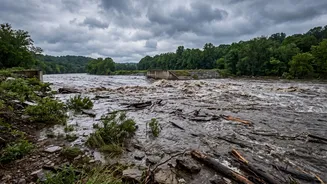
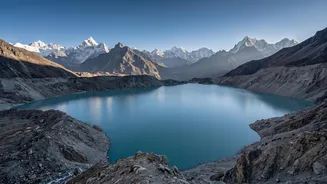
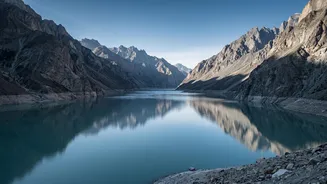
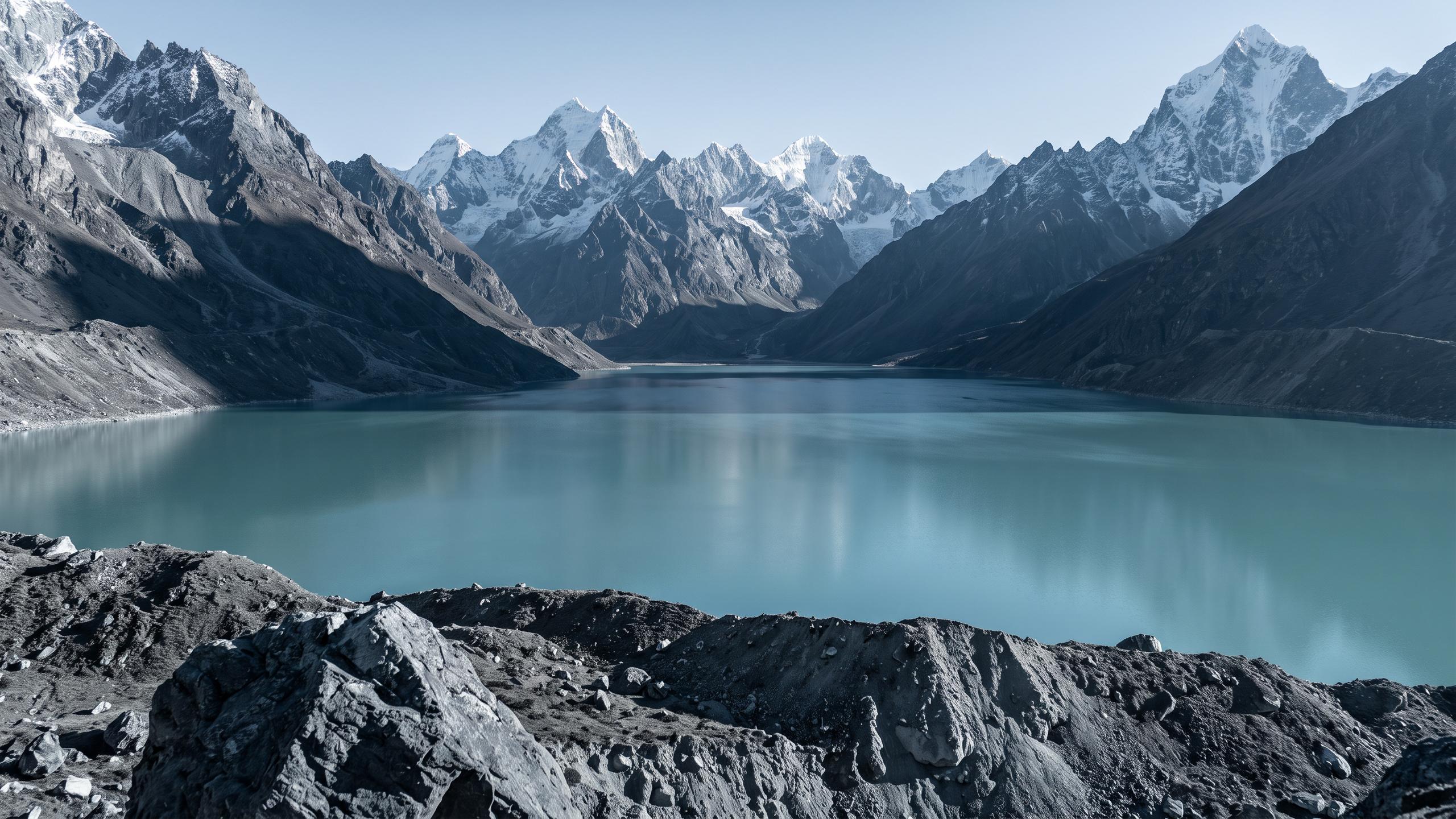
The immediate flood was not the only danger unleashed. As the avalanche and subsequent landslides tore through the narrow Himalayan valleys, they dumped millions of tons of rock, mud, and timber into the river channels. In some places, this debris has been substantial enough to completely block the flow of the river, creating what is known as a landslide dam. Satellite imagery has confirmed the formation of at least one such blockage. Water that would normally flow downstream is now backing up behind this makeshift barrier, forming a large and rapidly growing lake in the heart of the mountains.
Why These 'Dams' Are a Time Bomb
Unlike a purpose-built concrete dam, a landslide dam is inherently unstable. It is a loose, unconsolidated pile of debris without any structural reinforcement. The immense pressure of the rising water behind it is constantly working to find a weak point. There are two primary ways these dams fail. The first is overtopping, where the lake fills and water begins to spill over the top, rapidly eroding the loose material and causing a sudden, catastrophic breach. The second is through structural failure, where the water pressure becomes too great for the dam to hold, leading to a complete collapse. In either scenario, the result is the same: a Landslide Dam Outburst Flood (LDOF), a terrifying wall of water released in an instant.
The Cross-Border Threat
The danger is not confined to Nepal. The Trishuli River is part of the Gandak river basin, a major waterway that flows south into India, traversing the states of Bihar and Uttar Pradesh. A breach of a landslide dam in Nepal would send a devastating flood surge across the border with little warning, threatening densely populated areas. Indian authorities are on high alert, monitoring the situation closely and preparing for potential evacuations in downstream districts. This transboundary nature of Himalayan rivers means a disaster in one country quickly becomes a shared regional crisis. The 2008 Kosi flood, which was caused by a breach in Nepal and affected over two million people in Bihar, serves as a grim reminder of the potential consequences.
A Race Against Time
Authorities and experts are now in a tense race against the clock. Teams from the Nepalese Army and disaster management agencies are working to assess the stability of the known river blockages. The options are limited and fraught with peril. Attempting to clear the debris with machinery or controlled blasts could risk destabilizing the dam further, inadvertently triggering the very flood they are trying to prevent. The primary goal is to try and create a controlled channel to allow the water to drain slowly and safely, relieving the pressure on the dam. Meanwhile, downstream communities in both Nepal and India are on edge, with evacuation orders in place as they watch and wait.