





What Exactly is an Eco-Lodge?
The term 'eco-lodge' is more than just a marketing buzzword. Generally, it refers to accommodation designed to have a minimal impact on the natural environment. These lodges are often small, located in rural or natural settings, and are committed to conservation,
sustainability, and supporting local communities. This is achieved through practices like using renewable energy, harvesting rainwater, recycling waste, building with local and sustainable materials, and employing local staff. The goal is to offer an immersive nature experience that is both responsible and deeply comfortable, proving that you don't have to rough it to be a green traveller.
Kanha Earth Lodge, Madhya Pradesh
Nestled in a small tribal hamlet near the renowned Kanha Tiger Reserve, Kanha Earth Lodge is a masterclass in green architecture. The lodge’s 12 luxury bungalows are inspired by traditional Gond tribal homes, constructed with locally sourced materials like stone, mud plaster, and recycled wood. No trees were cut during its construction, and the buildings are designed with wide eaves and triple-layered roofs for natural cooling, reducing the need for air conditioning. The lodge is single-use plastic-free and is working towards becoming carbon-free. Guests can enjoy safaris, nature walks, and meals made from fresh, local ingredients, knowing their stay supports conservation and the local community, including a nearby school adopted by the lodge.
Spice Village, Thekkady, Kerala
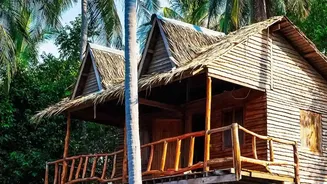
Modelled on the dwellings of the local Manan tribe, Spice Village offers a luxurious stay that is deeply connected to its surroundings near the Periyar Tiger Reserve. The 52 cottages feature roofs thatched with elephant grass by local craftsmen, providing natural cooling without air conditioning. The resort runs on 75% solar energy, treats its wastewater, and composts all food scraps to fertilize its own organic gardens. In line with its '50-mile diet' concept, the restaurant sources most of its ingredients from within a 50-mile radius, minimizing its carbon footprint. Even wastepaper is recycled on-site into luggage tags and notepads, showcasing a comprehensive commitment to sustainability.
Nimmu House, Ladakh
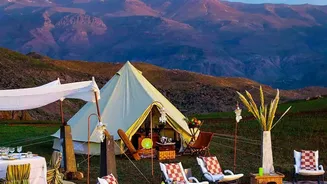
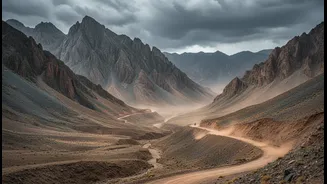
A century-old noble house near Leh has been beautifully restored into a heritage eco-resort that blends tradition with comfort. At an altitude of over 10,000 feet, Nimmu House offers a choice between rooms in the original structure and luxury tents in the orchard. The restoration was done using locally sourced materials and traditional Ladakhi building techniques. The property runs on solar power, recycles water, and serves farm-to-table meals from its own organic garden and local farms. It offers an authentic cultural immersion, from yoga sessions with Himalayan views to interacting with the local community, all while supporting the preservation of Ladakhi heritage.
The Dune Eco Village & Spa, Puducherry
Stretched across 35 acres of beachfront property near Puducherry, The Dune is a unique fusion of art, nature, and wellness. It features 55 uniquely designed bungalows, many of which have been reclaimed from colonial houses and Chettinad palaces, promoting adaptive reuse over new construction. The resort is equipped with solar water systems, uses organic linens, and serves healthy cuisine from its on-site organic farms. With a focus on holistic well-being, it houses a spa offering Ayurvedic treatments and hosts an artists-in-residence program. Its chlorine-free pool and commitment to eco-friendly practices make it a serene escape that nurtures both its guests and the environment.