





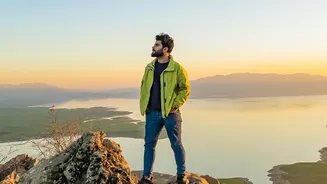


From Picture-Perfect to Authentic Moments
For years, travel was heavily influenced by the pursuit of the perfect, envy-inducing photo. This led to jam-packed schedules designed to hit every 'Instagrammable' spot. Gen Z, however, is showing a growing preference for authentic experiences over curated
photo ops. While they are digital natives who share their lives online, their focus has shifted from polished perfection to genuine, unscripted moments. They are more interested in cultural immersion, connecting with locals, and discovering hidden gems than just recreating a popular social media post. This desire for authenticity means leaving room in the schedule for unexpected detours and unplanned adventures, which are often the most memorable parts of a trip.
Economic Realities and Budget-Driven Spontaneity
Financial constraints play a significant role in how Gen Z travels. As a younger generation, many are navigating tighter budgets, making them savvy and strategic about their spending. Flexibility is a powerful tool for stretching their funds further. By not being tied to specific dates or destinations, they can pounce on last-minute flight deals and off-season accommodation prices. This generation has mastered the art of using digital tools and apps to find the best value, and a flexible schedule is essential for capitalising on these opportunities. Rather than sacrificing travel altogether, they make it work by being adaptable, often opting for shorter, more frequent trips or choosing destinations where their money goes further.
Tech-Powered Freedom, Not Confinement
While technology could be used to create hyper-detailed plans, Gen Z uses it to enable freedom. Having grown up with smartphones, they are comfortable with a level of on-the-go planning that would have been unthinkable for previous generations. Mobile apps for booking flights, accommodation, and local activities make last-minute decisions seamless. Instead of relying on traditional guidebooks, they turn to platforms like TikTok for real-time inspiration, discovering a cool cafe or a scenic walk and deciding to go on the spot. AI-powered tools are also becoming popular for generating loose, suggestion-based itineraries that can be easily adapted. For this generation, technology isn't for locking in a plan; it's for opening up possibilities.
The Rise of 'Bleisure' and Slow Travel
The normalization of remote work has fundamentally changed the relationship between work and travel for many young professionals. The rise of 'bleisure'—blending business and leisure—allows Gen Z to extend work trips for personal exploration. This inherently requires a more flexible mindset, as work commitments may shift. Furthermore, there is a growing interest in 'slow travel,' which involves spending more time in a single location to absorb the culture deeply rather than rushing through multiple cities. This approach is not only more relaxing but also often more sustainable and budget-friendly. It reflects a broader generational pushback against hustle culture, prioritizing well-being and meaningful connection over the need to 'do it all.'