



The Unsung Hero of Your Health
Magnesium is one of the hardest-working minerals in your body, acting as a helper molecule in over 300 enzyme systems that regulate critical bodily functions. Think of it as a master key that unlocks countless processes, from producing energy and synthesising
protein to controlling muscle and nerve function. It plays a pivotal role in maintaining a steady heartbeat, regulating blood pressure, and managing blood sugar levels. It also works alongside calcium and vitamin D to build and maintain strong bones. Given its wide-ranging responsibilities, not getting enough can lead to a host of issues, including muscle cramps, fatigue, and weakness. Ensuring a steady intake is therefore crucial for your overall well-being.
The 'Dietary Diversity' Advantage
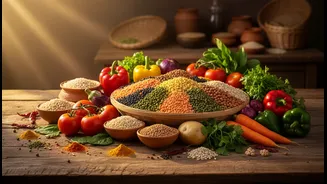
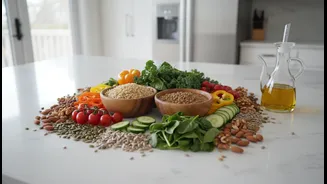
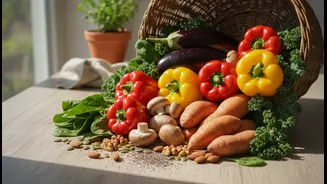
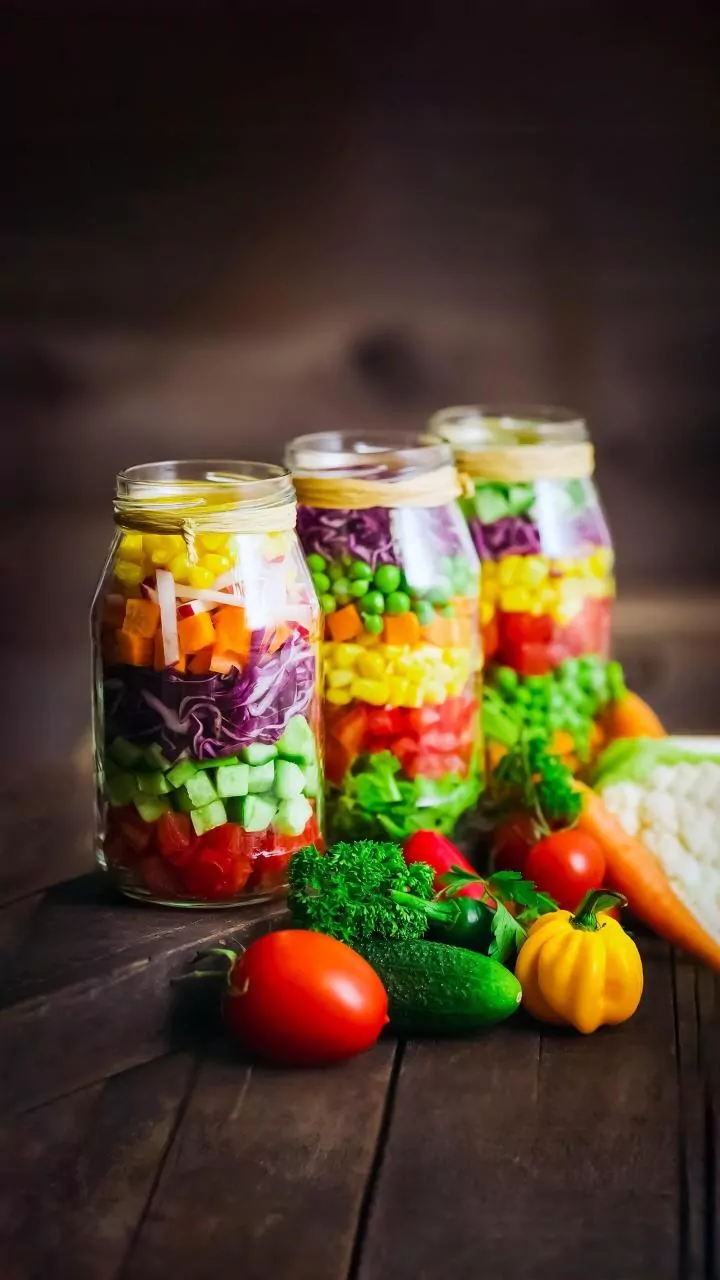
While it's tempting to find a single 'superfood' for any nutrient, the real magic lies in variety. This is especially true for magnesium. Eating a wide range of plants is more beneficial than relying on just one or two sources. Different foods provide different arrays of vitamins, minerals, and beneficial plant compounds that can work together to enhance nutrient absorption. A diet rich in various plant-based foods ensures you’re not just getting magnesium, but also the fibre, antioxidants, and other micronutrients that support overall health. This food-first approach, focusing on a colourful and varied plate, creates a more resilient and holistic nutritional foundation than simply taking a single supplement. It's about the cumulative effect of a well-rounded diet.
Dark Leafy Greens: The Foundation
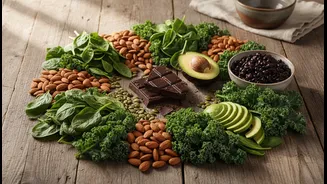
When it comes to magnesium, green is good. Dark leafy vegetables are nutritional powerhouses and a cornerstone of a magnesium-rich diet. Spinach (palak) is a standout, with one cooked cup providing a significant portion of your daily needs. Other readily available greens in India like fenugreek leaves (methi), amaranth leaves (chaulai), and mustard greens (sarson) are also excellent choices. These vegetables are the foundation of many healthy eating patterns because they are dense in nutrients, including the chlorophyll molecule which has magnesium at its centre. Lightly steaming or sautéing them is a great way to retain their magnesium content.
Nuts and Seeds: A Power-Packed Snack
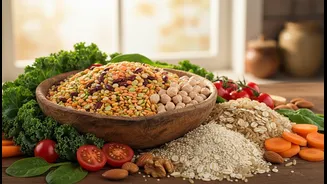
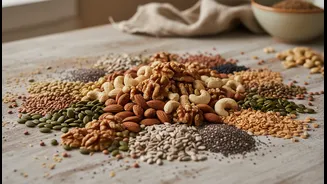
For a convenient and potent magnesium boost, look no further than nuts and seeds. Pumpkin seeds are a particularly rich source, with just a small serving packing a significant punch. Almonds and cashews are also excellent options, providing a substantial amount of magnesium along with healthy fats and protein. In the Indian context, sesame seeds (til) are another powerful source, easily incorporated into chutneys, laddoos, or simply sprinkled over dishes. A small handful of mixed nuts and seeds each day is an easy habit that can make a real difference to your intake, keeping you full and energised between meals.
Legumes and Lentils: The Humble Heroes
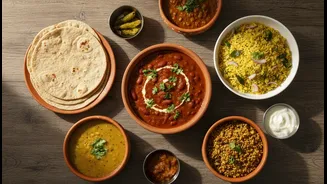
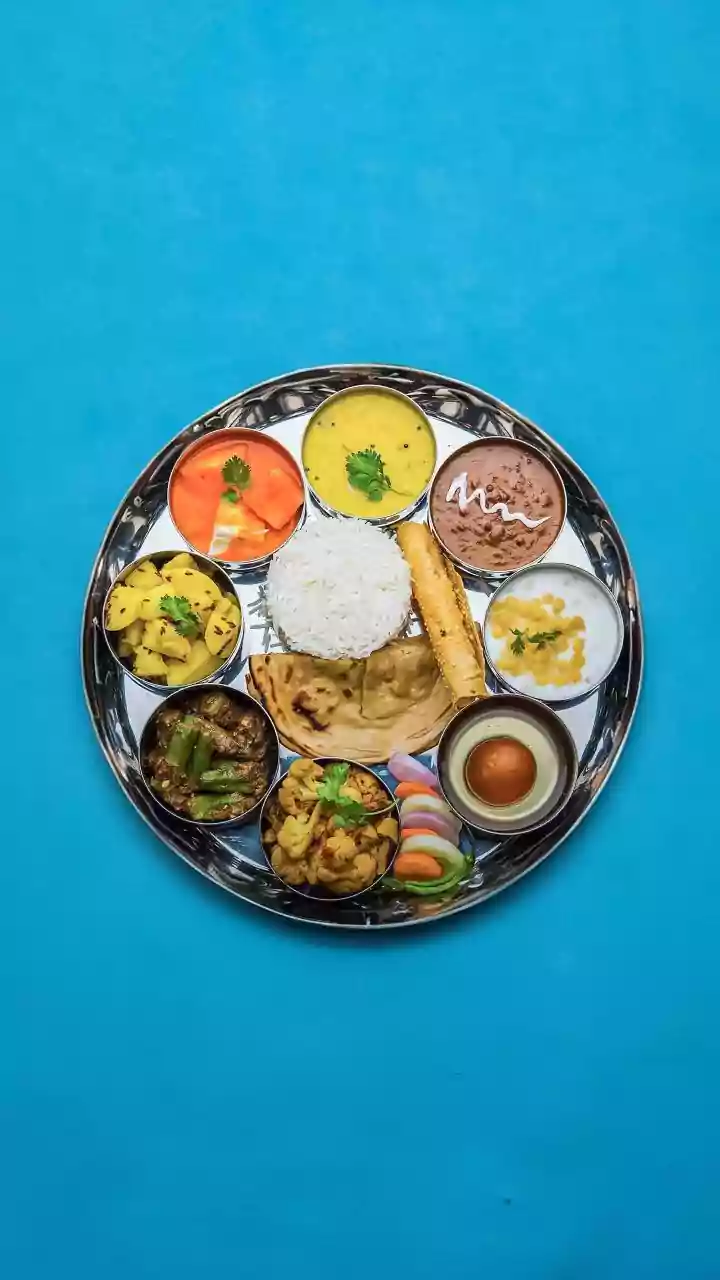
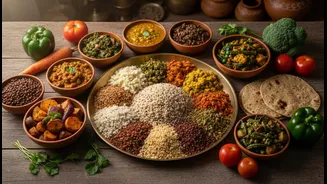
The staples of many Indian kitchens—legumes and lentils—are humble yet mighty sources of magnesium. Foods like chickpeas (chana), kidney beans (rajma), and various dals (moong, masoor, urad) are not only affordable and versatile but also rich in this essential mineral. A cup of cooked black beans or chickpeas can contribute significantly to your daily target. Because they are so integral to daily meals, consistently including a dal or legume dish is one of the simplest and most effective ways to boost your magnesium intake naturally. Their high fibre and protein content offer additional benefits for digestive health and blood sugar control.
Whole Grains and Millets: The Smart Swap
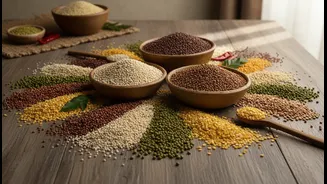
Making the switch from refined grains to whole grains is a simple yet impactful change for your magnesium levels. Whole grains like brown rice, whole wheat (atta), and oats retain their nutrient-rich bran and germ, where much of the magnesium is stored. Millets, which are integral to traditional Indian diets, are particularly noteworthy. Varieties like finger millet (ragi), pearl millet (bajra), and sorghum (jowar) are excellent sources of magnesium. Swapping white rice for brown rice or incorporating rotis made from bajra or ragi are practical ways to increase your consumption of this vital mineral without drastically changing your eating habits.