

What Are The Orionids?
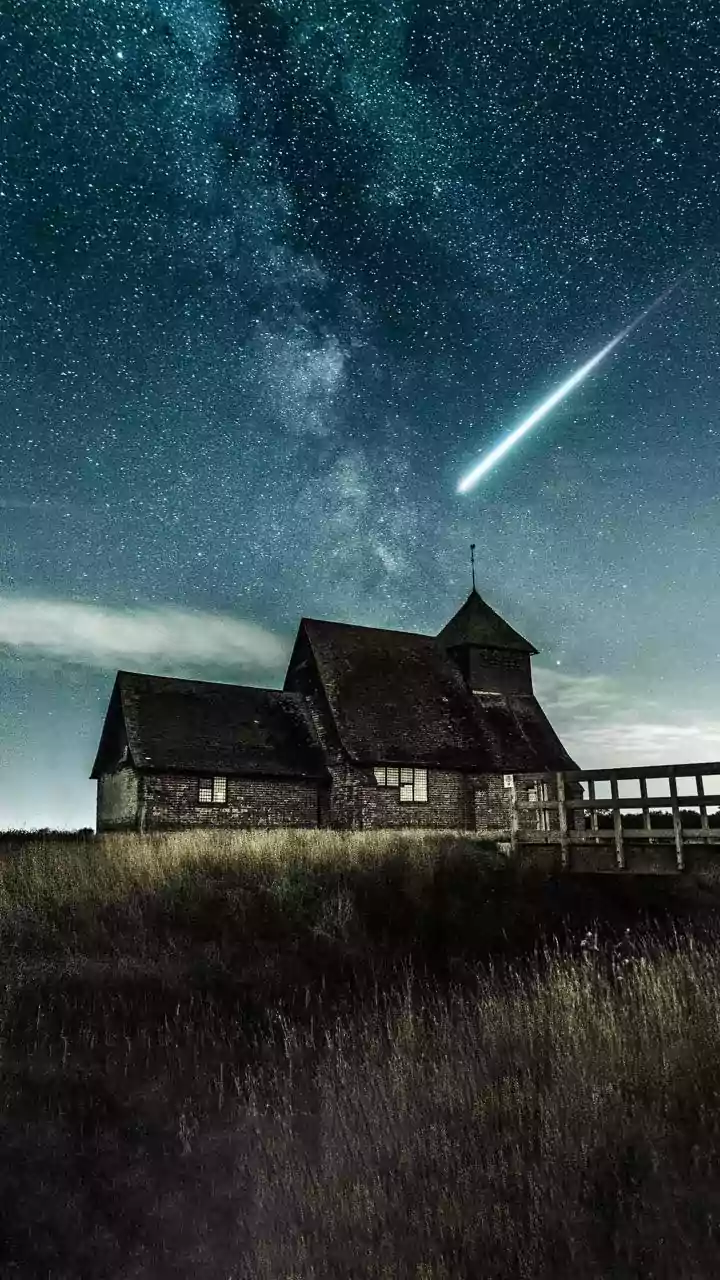
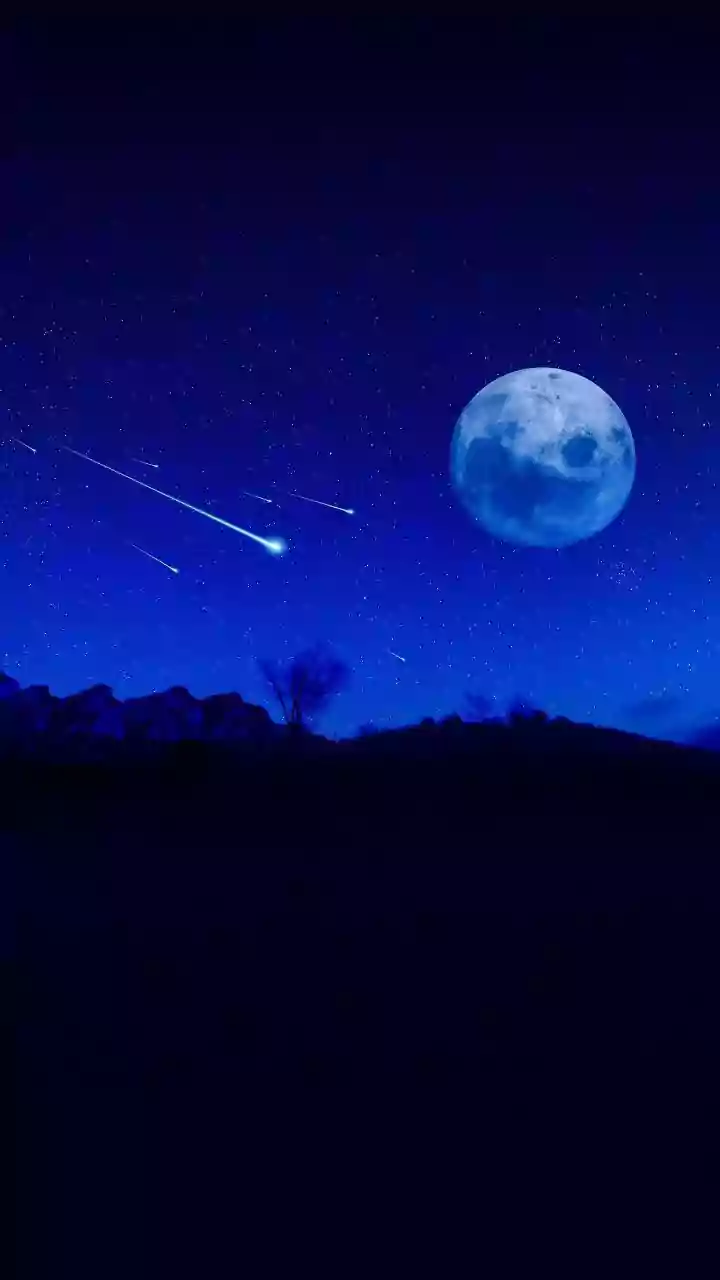
The Orionid meteor shower is an annual celestial event that occurs when our planet travels through the stream of debris left behind by Comet 1P/Halley, more famously known as Halley's Comet. These tiny particles, many no bigger than a grain of sand, burn
up upon entering Earth's atmosphere at incredible speeds, creating the beautiful streaks of light we call meteors or 'shooting stars'. The shower is named after the constellation Orion the Hunter, as the meteors appear to radiate from a point near Orion's club. This radiant point is where the meteors seem to originate, but they can be seen streaking across any part of the sky.
Peak Dates and Times for 2026
Mark your calendars for the night of October 21-22, 2026, which is when the Orionid meteor shower is expected to reach its peak activity. While the shower is active from early October to early November, your best chance to see the highest concentration of meteors will be on this night. The most crucial viewing window will be in the pre-dawn hours. This year, a bright waxing gibbous Moon will be present for the first half of the night, which can wash out fainter meteors. However, the Moon is predicted to set around 3 a.m. local time, leaving a window of dark, moonless sky until dawn begins to break—this is your prime time for watching.
What to Expect This Year
Under ideal conditions in a dark, rural sky, you can expect to see about 15 to 25 meteors per hour during the peak. The Orionids are known for their speed, entering the atmosphere at about 66 km/s. This velocity can result in very bright meteors, some of which may leave persistent, glowing trails that linger for a few seconds after the meteor itself has vanished. While the Orionids are not as prolific as the Geminids in December, the connection to Halley's Comet makes it a uniquely special event for stargazers.
How to Watch From India
The good news is that no special equipment is needed; your eyes are the best tools for the job. The key to a successful viewing experience is to get as far away from city lights as possible. Light pollution from urban centres like Delhi, Mumbai, or Bengaluru can drastically reduce the number of visible meteors. Consider driving to a rural area, a hilltop, or a designated dark-sky spot. Places like the desert landscapes of Rajasthan, the high-altitude regions of Ladakh and Spiti, or even open spaces on the outskirts of your city can offer much better views. The Orionids are visible from both the Northern and Southern Hemispheres, so viewers all across India will have a chance to see them.
Simple Tips for a Great Night Out
First, give your eyes at least 20 to 30 minutes to fully adjust to the darkness. Avoid looking at your phone screen, as the bright light will ruin your night vision. Comfort is essential, as you might be outside for a while. Bring a reclining chair or a blanket to lie on, so you can look straight up at the sky without straining your neck. Although the meteors radiate from Orion, you don't need to stare directly at the constellation. In fact, meteors seen a bit further from the radiant will appear to have longer trails. Simply find a large, dark patch of sky, get comfortable, and be patient. The show is well worth the wait.