

The Soul Beyond the Spice Box
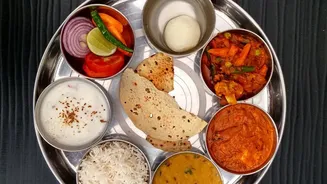
When we think of Indian food, our minds conjure images of vibrant spices, rich curries, and complex flavour profiles. We credit the magic to the perfect blend of turmeric, cumin, and coriander. Yet, much of the distinctive taste and texture of our most
beloved dishes—from the pillowy softness of an idli to the sour tang of a good pickle—comes from a process that happens long before the pan is heated. This process is fermentation, an ancient, living tradition woven into the fabric of Indian kitchens for centuries. It is nature's own recipe, a quiet and patient transformation that relies on microorganisms like bacteria and yeast to break down sugars and starches in food. This not only preserves food but also unlocks unique flavours and makes it more nutritious.
Your Kitchen’s Tiniest Chefs
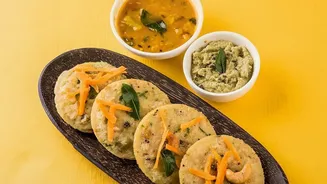
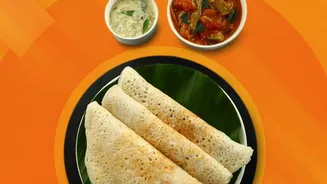
Fermentation is essentially a controlled process where tiny, invisible chefs get to work. When rice and urad dal are soaked and ground for dosa batter, it’s the wild yeasts and bacteria in the environment that feast on the starches, producing carbon dioxide gas that makes the batter rise and become airy. This process makes the resulting idli or dosa light, fluffy, and easier to digest. Similarly, the daily ritual of making dahi (curd) involves introducing a starter culture to warm milk and leaving it to set. The lactic acid bacteria multiply, converting milk sugars into lactic acid, which gives curd its characteristic thickness and tangy taste. This microbial activity is not just about flavour; it enhances the bioavailability of nutrients like B vitamins and iron, making them easier for our bodies to absorb.
From Dosa to Dhokla: A Fermented Feast
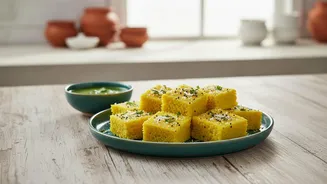
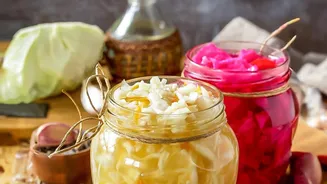
While idli and dosa are the most famous ambassadors of Indian fermentation, the tradition is incredibly diverse and spans the entire subcontinent. In Gujarat, the spongy, savoury dhokla is made from a fermented batter of chickpea or rice flour. In Kerala, the delicate, bowl-shaped appam gets its lacey edges and soft centre from fermented rice and coconut. Northern India offers Kanji, a tangy probiotic drink made by fermenting black carrots and mustard seeds in the sun. In the Northeast, gundruk (fermented leafy greens) and fermented bamboo shoots are staples. A study documented over 200 traditional Indian fermented foods, highlighting a culinary wisdom that adapted to local climates and ingredients long before refrigeration.
The Problem with Perfect Recipes
In our modern quest for consistency, we have turned to rigid, prescriptive recipes. We want exact measurements and precise timings. While helpful, this approach often fails when it comes to fermentation. An idli batter recipe that works perfectly in coastal Chennai might be sluggish in the cooler, drier climate of Delhi. Our grandmothers knew this intuitively. They didn't measure time in hours; they observed the batter, smelling for the right level of sourness and looking for the tell-tale bubbles. Their recipes were not fixed formulas but flexible algorithms, adjusted based on the weather, the quality of the grain, and the ambient temperature. By focusing only on the recipe, we risk losing this crucial, sensory-based knowledge and the ability to adapt.
How to Think Like a Fermenter
To truly understand traditional Indian cooking, we must learn to think like a fermenter. This means moving beyond simply following instructions and starting to engage our senses. Instead of relying on an 8-hour timer for your dosa batter, observe it. Does it smell pleasantly sour? Has it visibly risen? Is it bubbly? Trust your judgment. Keep a small portion of your previous batch of curd as a starter for the next, preserving the unique microbial culture of your home. Pay attention to the environment. On a cold day, your batter might need a warm spot near the stove or an extra blanket to thrive. This intuitive approach turns cooking from a mechanical act into a creative dialogue with your ingredients and your environment, making you a more confident and capable cook.