

The Plant-Based Iron Challenge
Iron is a vital mineral that carries oxygen in our blood and keeps our energy levels up. But not all dietary iron is created equal. There are two types: heme iron, found in animal products like meat and fish, and non-heme iron, found in plant sources
like leafy greens, lentils, beans, and whole grains. For those on vegetarian or plant-forward diets, non-heme iron is the primary source. The challenge is that our bodies find it much harder to absorb non-heme iron. While heme iron can have an absorption rate of up to 40%, non-heme iron's absorption is much lower and more sensitive, ranging from 2% to 20%. This is because many plant foods also contain natural compounds called phytates and polyphenols that bind to iron and inhibit its absorption.
Vitamin C: The Key to Unlocking Iron
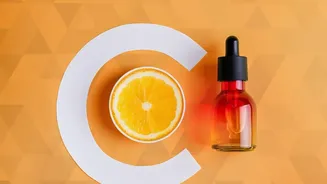
This is where Vitamin C, or ascorbic acid, works its magic. It acts as a powerful enhancer for non-heme iron absorption. The science is straightforward: Vitamin C helps convert the iron from its ferric (Fe³⁺) state, which is difficult to absorb, into its ferrous (Fe²⁺) state, which is much more bioavailable for your body to use. It essentially captures the non-heme iron and keeps it in a soluble form that your intestines can easily absorb. The effect is significant. Studies have shown that adding Vitamin C to a meal can increase non-heme iron absorption several times over. While the headline's claim of 'doubling' is a good rule of thumb, some research suggests it can boost absorption by up to four or five times, depending on the meal's composition. Even a small amount, like 25-50mg of Vitamin C (the equivalent of half a bell pepper), can make a substantial difference.
Perfect Pairings for Your Plate
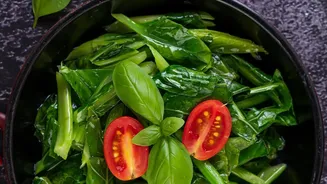
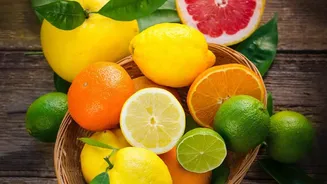
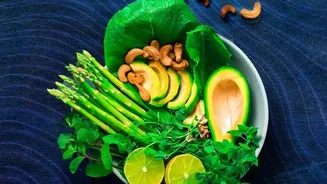
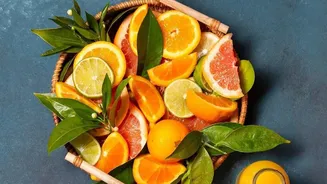
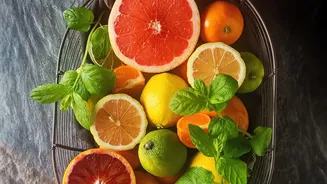
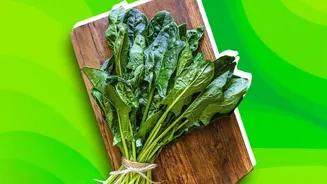
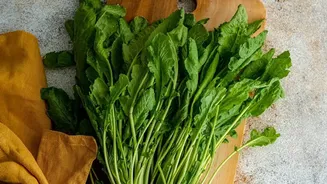
The classic combination of citrus and leafy greens is a perfect starting point. Think of a spinach or palak salad with a generous squeeze of lemon juice. But this principle extends far beyond just salads. In the context of an Indian diet, the opportunities are endless. Adding tomatoes to your rajma or chana masala not only adds flavour but also provides the Vitamin C needed to absorb the iron from the beans. A simple squeeze of lime over a bowl of dal, or serving it with a side of amla, can transform its nutritional value. A breakfast of ragi porridge paired with some amla juice or a bowl of poha garnished with fresh coriander and a wedge of lemon are other easy and effective combinations.
Broaden Your Iron-Boosting Horizons
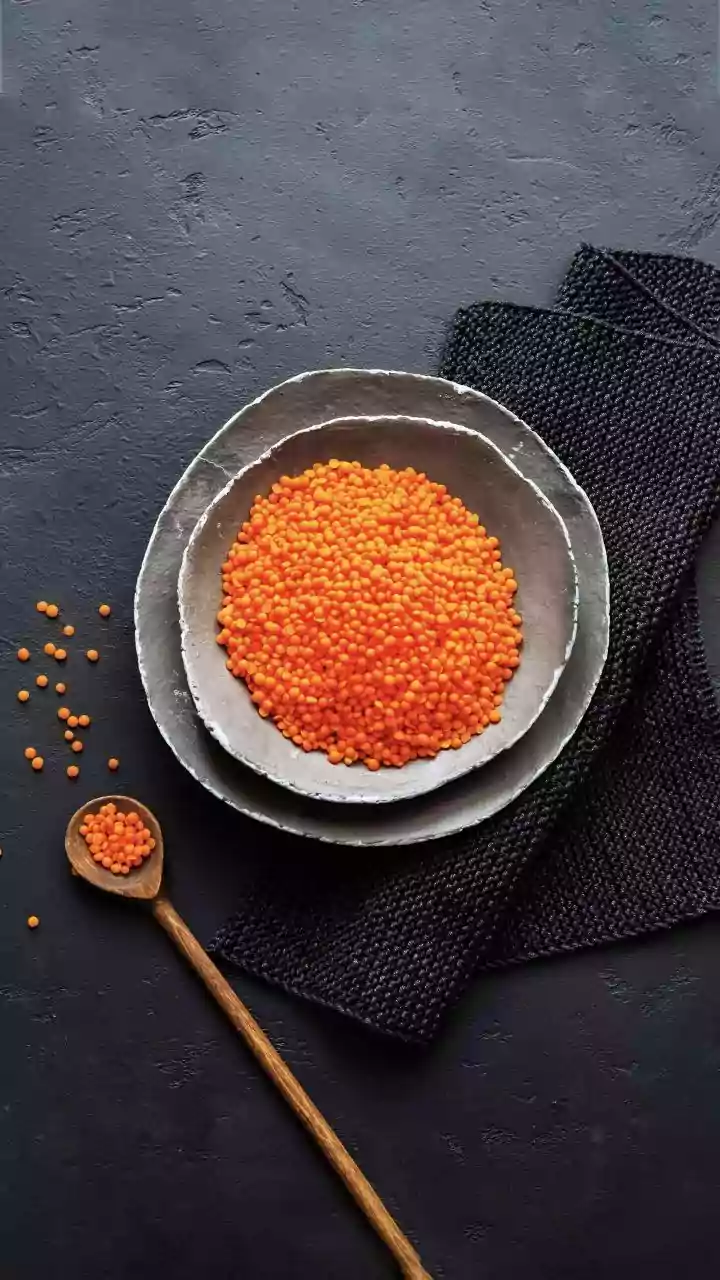
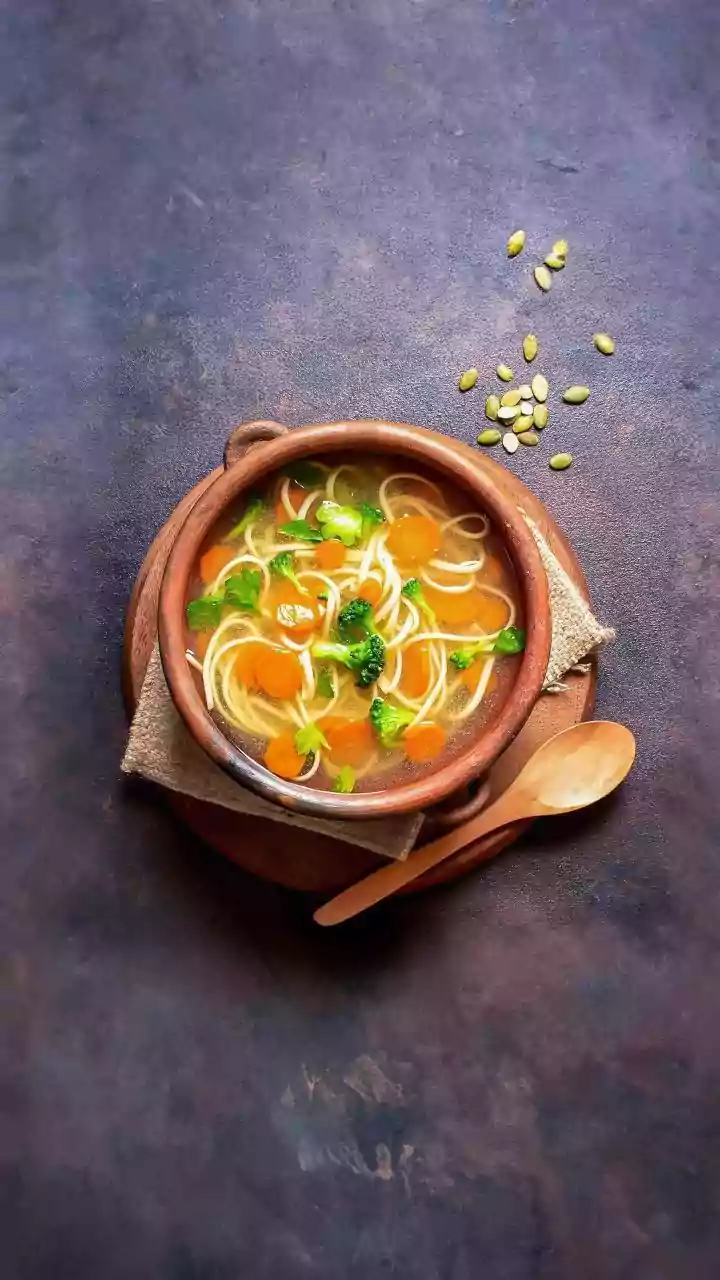
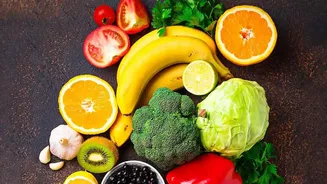
Don't limit yourself to just citrus and leafy greens. Many other foods are excellent sources of Vitamin C and can be paired with iron-rich meals. Bell peppers (especially red ones), broccoli, strawberries, guava, and potatoes are all packed with Vitamin C. Similarly, the list of plant-based iron sources is long and varied. It includes lentils, chickpeas, tofu, tempeh, quinoa, sesame seeds, pumpkin seeds, and fortified cereals. Try a tofu stir-fry with broccoli and red bell peppers. Or consider a lentil soup finished with a swirl of tomato puree. A snack of hummus (made from chickpeas) with bell pepper sticks is another powerful combination. By thinking of meals in terms of these pairings, you can ensure you're getting the most out of your food.
What to Keep Separate from Your Meal
Just as some foods enhance iron absorption, others can block it. The main culprits are tannins, found in tea and coffee, and calcium. These compounds can inhibit iron absorption by as much as 60-90% if consumed with or too close to an iron-rich meal. This applies to both caffeinated and decaffeinated versions. The advice is simple: try to leave a gap of at least one to two hours between your iron-rich meal and your cup of chai or coffee. Similarly, while calcium is essential, it competes with iron for absorption. If you are focused on boosting your iron levels, it's best to avoid consuming dairy products or calcium supplements at the same time as your main iron-rich meal.