


Why Your Garden Needs Pollinators
Before you start planting, it helps to understand why these little visitors are so important. Pollinators, including bees, butterflies, birds, and even some flies, are crucial for the reproduction of many plants. They transfer pollen between flowers,
which is essential for producing fruits, vegetables, and seeds. By inviting them into your garden, you not only support local biodiversity but also increase the yield of your vegetable patches, from tomatoes to squash. Essentially, a garden that is friendly to pollinators is a more productive and vibrant garden.
The Secret to Marigolds
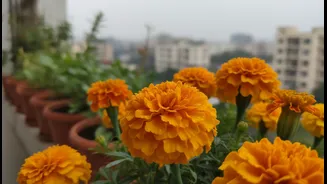
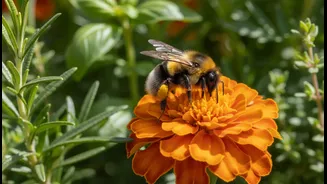
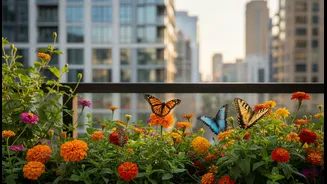
Marigolds are a staple in many Indian gardens, celebrated for their vibrant colours and cultural significance. While they are excellent at attracting pollinators, there's a crucial detail to know: not all marigolds are created equal in this regard. The most effective varieties are those with open, single-petal flowers, such as French marigolds (Tagetes patula). These allow bees and butterflies easy access to the nectar and pollen. Densely packed, 'pom-pom' style double-flowered varieties may look lush, but they often make it difficult for pollinators to feed. As a bonus, French marigolds release a substance that can repel common garden pests like nematodes, making them a fantastic companion plant for your vegetables.
Top Herbs for Attracting Bees
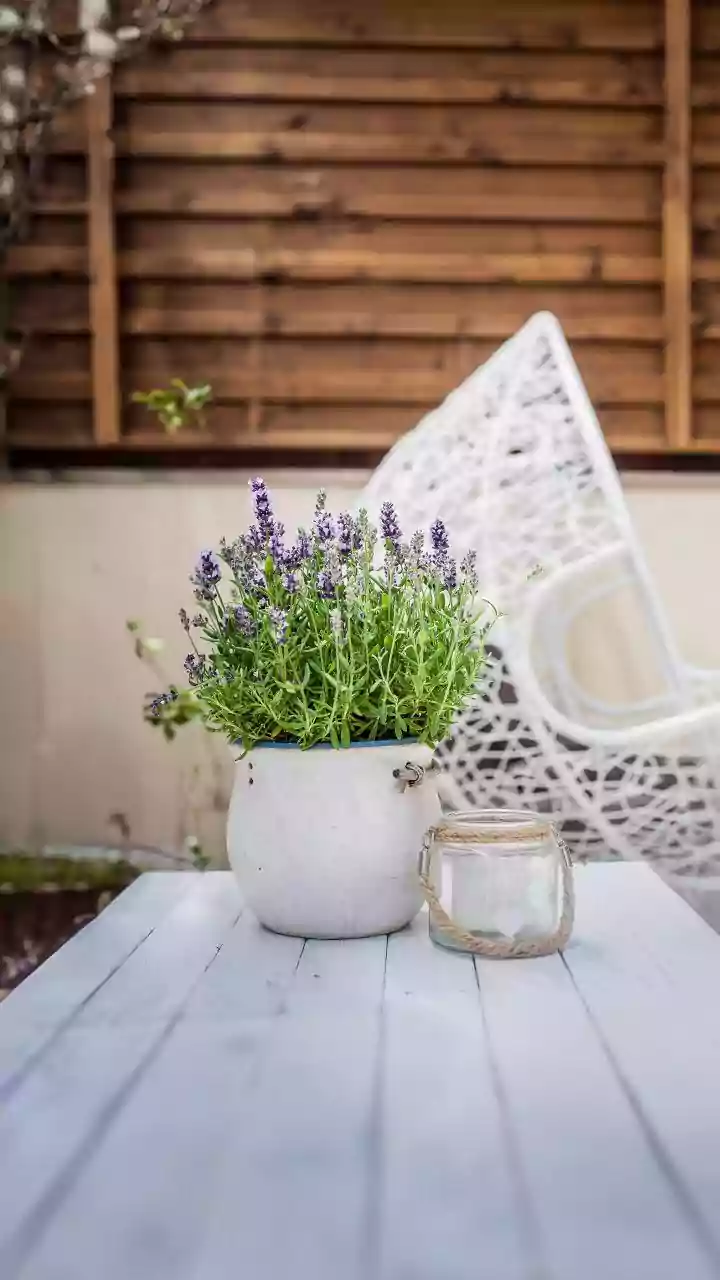
Many common kitchen herbs are pollinator magnets, especially for bees. Allowing some of your herbs to flower is the single most important step you can take. Holy Basil, or Tulsi, is an excellent choice; its small but numerous flowers are highly attractive to bees. Lavender is another fantastic option, with fragrant purple spikes that are rich in nectar. Other powerhouse herbs for attracting bees include the flowering tops of mint, oregano, thyme, and Indian Borage. Planting these not only supports bee populations but also gives you a fresh supply of flavour for your kitchen.
Creating a Haven for Butterflies
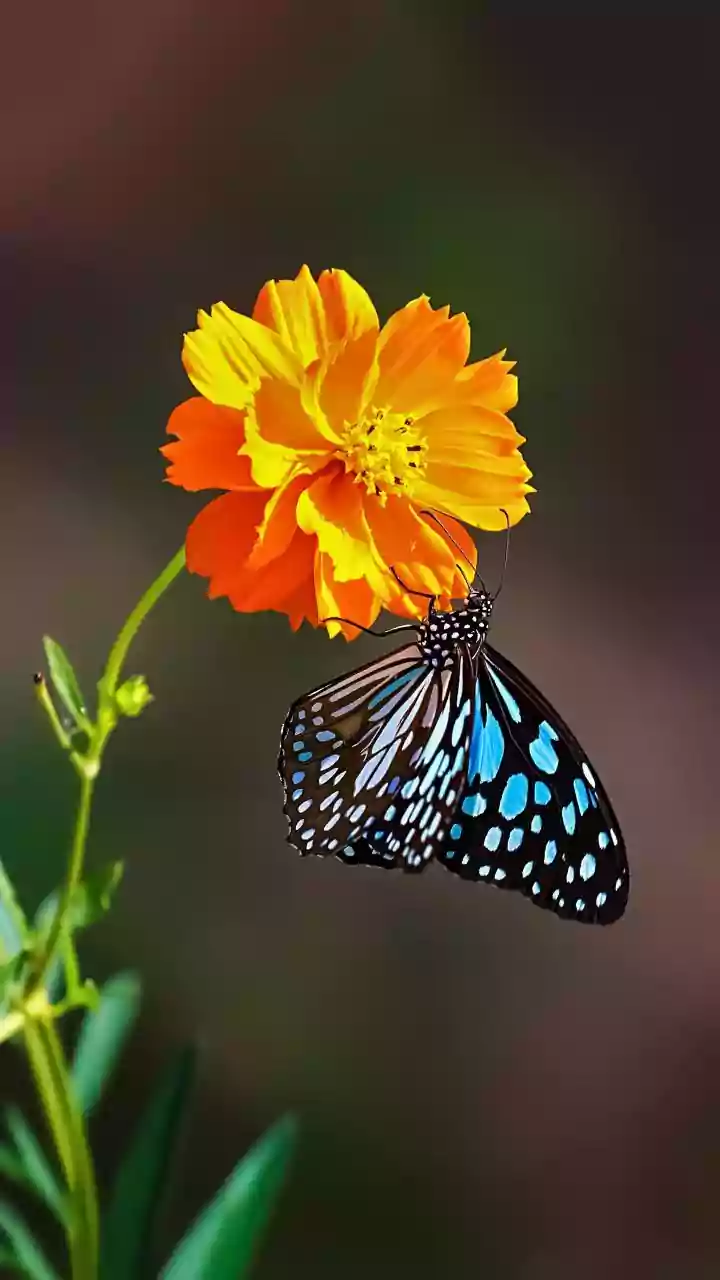
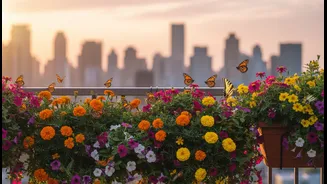
Butterflies have slightly different needs, seeking both nectar for energy and specific host plants for their caterpillars. To attract a wide variety of butterflies, you should plant a mix of both. For nectar, they are drawn to the bright blooms of herbs like Lantana (Raimuniya) and the flowers of Hibiscus and Jasmine. To encourage them to stay and reproduce, consider planting herbs that serve as host plants. Dill and fennel are favourites for the caterpillars of the Swallowtail butterfly. By providing both food for the adults and a nursery for their young, you create a true butterfly sanctuary.
Simple Steps for a Pollinator Paradise
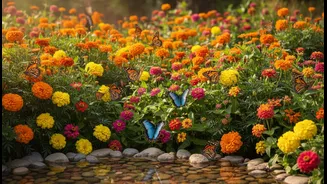
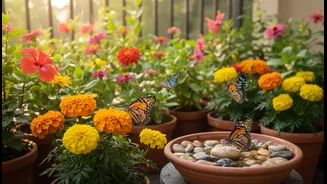
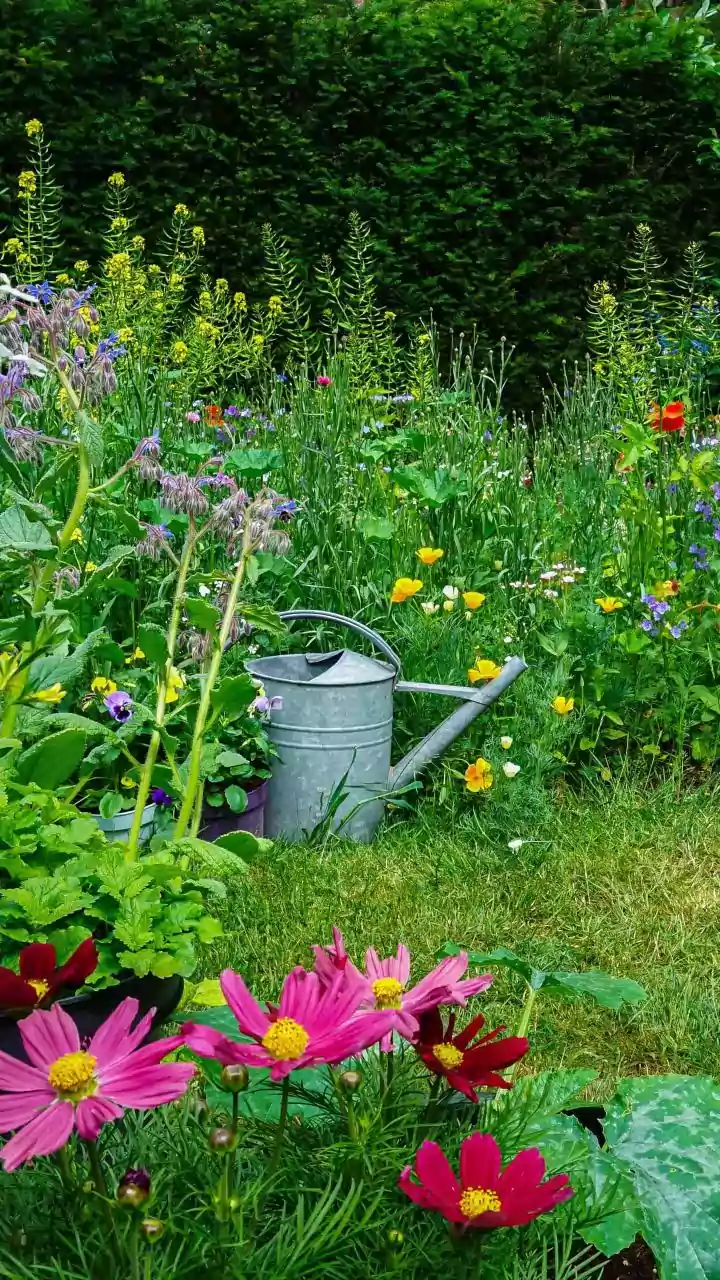
Once you have your plants, a little strategic design can maximize their impact. Plant in clusters or drifts of the same species, as a larger patch of colour is more visible and attractive to pollinators than scattered individual plants. Provide a simple, shallow water source, like a dish with a few pebbles for insects to land on. Perhaps most importantly, avoid using chemical pesticides and herbicides, as these can be harmful or fatal to the very pollinators you're trying to attract. An organic garden is a safe and welcoming habitat for these beneficial creatures.