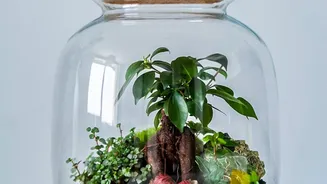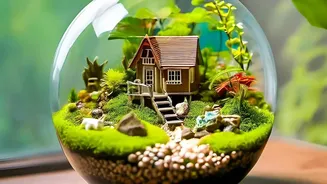



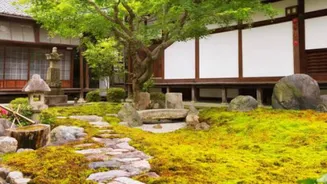
Bring a touch of serene, woodland magic into your home with a DIY indoor moss garden. This simple, low-maintenance decor trend adds a lush patch of green to any space, offering a calming connection to nature without needing a green thumb.
Why Create a Moss Garden?
Unlike many houseplants,
moss is exceptionally low-maintenance and thrives in conditions where other plants might struggle, such as low, indirect light. These miniature green landscapes are more than just aesthetically pleasing; they bring a sense of tranquility and peace to your indoor environment. The practice of creating and tending to one can be a meditative experience. Furthermore, moss can help stabilize humidity and even absorb certain airborne pollutants, contributing to a healthier living space. Their soft, velvety texture and vibrant green hues make them a versatile element in various decor styles, from minimalist Zen gardens to rustic, woodland-inspired arrangements.
Gathering Your Simple Materials
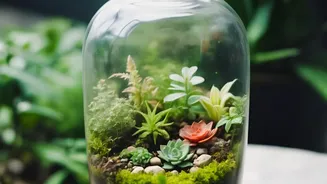
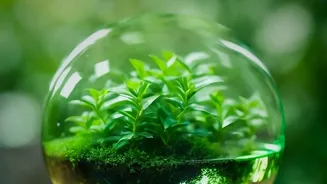
Creating your own moss garden requires just a few basic components. Start with a container; glass terrariums, shallow ceramic bowls, or even wide-mouthed jars work beautifully. A closed container will retain humidity better, while an open one offers more airflow. Next, you'll need a base for drainage, such as small pebbles or gravel. A thin layer of activated charcoal on top of the pebbles is recommended to help filter the environment and prevent odors. For the growing medium, a simple potting soil without added fertilizer is ideal, as moss prefers slightly acidic conditions. Finally, you'll need the stars of the show: live moss and your decorative elements like smooth pebbles and interesting pieces of driftwood.
Choosing the Right Moss
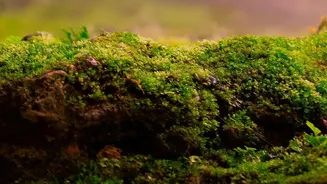
Not all moss is created equal for indoor life. For a carpet-like effect that covers the soil, Sheet Moss (Hypnum species) is an excellent and forgiving choice for beginners. If you want to create texture and the appearance of rolling hills, opt for clumping varieties like Cushion Moss (Leucobryum glaucum), which forms dense, pillow-like mounds. For a more delicate, feathery look, Fern Moss (Thuidium delicatulum) brings a lush, forest-floor texture to your design and thrives in high humidity. These varieties are well-suited to the stable humidity and indirect light of an indoor terrarium.
Step-byStep Assembly
Begin by cleaning your container thoroughly. First, add a one inch layer of pebbles for drainage. Follow this with a thin layer of activated charcoal. Next, add a layer of moistened potting soil, shaping it to create interesting terrain like small hills or valleys. Now for the fun part: gently press your chosen moss onto the soil surface. Don't bury it; moss absorbs water through its leaves, not roots. Arrange different types of moss to create varied textures. Once the moss is in place, strategically add your pebbles and a piece of driftwood to serve as a focal point. These elements not only add visual interest but also provide surfaces for some moss types to potentially attach to over time.
LongTerm Care and Maintenance
Caring for your moss garden is simple. The most crucial element is maintaining the right moisture level. The moss should remain damp but never waterlogged. Mist your garden with filtered or rainwater two to three times a week, as tap water can contain minerals that harm the moss. Place your garden in a spot that receives indirect, diffused light, like a north facing window. Direct sunlight can quickly scorch and dry out the delicate moss. If you're using a closed terrarium, open the lid for a few hours if you see excessive condensation to allow for air circulation and prevent mold. Keep an eye out for any brown patches, which may indicate it's too dry, or mold, which suggests it's too wet and needs more air.